Welcome to our final exploratory lesson in this module on Western contemplative traditions. Over the past three lessons, we have journeyed through the soaring arches of medieval monasteries with Gregorian chant, rested in the intimate chambers of Elizabethan England with the Renaissance lute, and reconnected with ancient folklore through the Greek lyre and Celtic harp. Now, it's time to synthesize this knowledge for your primary goal: curating effective playlists.
This lesson directly addresses how to compare the suitability of chant, lute, and harp music for your specific playlists for focus, relaxation, and sleep. We will move beyond appreciating each tradition in isolation and start making the critical comparisons that a curator must. By the end, you will have a clear framework for deciding which instrument or style best serves each functional listening purpose.
A Therapeutic Framework for Listening
Before we dive into a head-to-head comparison, it can be helpful to have a conceptual model for why certain instruments affect us the way they do. While we've steered clear of deep neuroscience, music therapy offers valuable frameworks. One such perspective comes from anthroposophical music therapy, which provides a structured, if philosophical, way to think about the connection between sound and the human experience.
This model correlates the threefold nature of the human being—thinking (head), feeling (chest/breath), and willing (limbs)—with the core elements of music: melody, harmony, and rhythm, respectively. It then maps different instrument families to these domains. This perspective is particularly insightful for our purposes because it places stringed instruments squarely in the realm of 'feeling' and the 'middle human being', connecting them to our heart and breath.
View of Musical Instruments in Anthroposophical ...
This article by Anke Coomans provides a fascinating overview of this therapeutic model. It will give us a language to describe why stringed instruments like the lute, lyre, and harp are so potent for relaxation.
As you read, please focus on the following ideas: First, understand the basic premise in the section "The Model in Connection With Musical Elements". Note how melody is linked to thinking, rhythm to willing, and harmony to feeling. Next, see how this is applied to instruments in the section "The Model in Connection With Musical Instruments". The key idea here is that string instruments balance the thinking and willing activities, connecting them to the feeling/breathing system. Read the subsection on plucked instruments. Notice the description of their sound being close to the "spiritual reality of musical tone." Then, focus on the specific entry for The Lyre. It's described as promoting "general relaxation" and having a "relieving effect on congested breathing, pain and tension." Finally, read the concluding paragraphs of the article, starting from the author's personal experience. Note the anecdote about using both the lyre and Renaissance songs with guitar (a close cousin of the lute) to calm anxiety and restlessness.
This framework gives us a theoretical basis for what we intuitively feel: that the resonant, vibrating strings of these instruments have a special connection to our emotional and physiological core, making them powerful tools for regulating our inner state.
Comparative Analysis for Curation
With this framework in mind, let's systematically evaluate each tradition for your three target states.
For Focus
The primary requirement for focus music is that it should occupy the auditory background just enough to mask distractions and entrain a steady mental rhythm, but not so much that it actively captures your attention.
-
Gregorian Chant:
- Pros: The monophonic texture and free, unmetered rhythm demand very little cognitive processing. The consistent, reverberant soundscape can create an excellent acoustic "bubble."
- Cons: The human voice, even when singing non-lyrical Latin, is a sound our brains are wired to notice. For some, its spiritual weight could also be a distraction.
- Verdict: Good. Best for tasks that don't involve language, such as data analysis or design. It creates a solemn, deep focus.
-
Renaissance Lute:
- Pros: Slower, more contemplative pieces (fantasias, pavanes) have a contrapuntal structure that can be mentally stimulating without being intrusive. The timbre is gentle and intimate.
- Cons: Faster dance forms (galliards, allemandes) have a more defined pulse and melodic character that can easily pull your attention. Virtuosity can be distracting.
- Verdict: Fair to Good. Highly dependent on track selection. You must curate carefully to find the right balance, avoiding overly rhythmic or virtuosic pieces.
-
Greek Lyre:
- Pros: The champion of minimalism. Its clean, plucked sound with a quick decay creates an uncluttered sonic environment. Simple, modal melodies guide the mind without demanding analysis.
- Cons: Its sparseness may not be sufficient to block out a noisy environment.
- Verdict: Excellent. Ideal for tasks requiring mental clarity and precision, such as writing, editing, or complex problem-solving.
-
Celtic Harp:
- Pros: Its continuous, flowing arpeggios can create a steady, non-dynamic background.
- Cons: The rich resonance and sustained notes tend to create an immersive, "dreamy" atmosphere that is more conducive to reverie than to sharp focus. Its strong melodic airs are designed to captivate.
- Verdict: Poor to Fair. Generally less suitable for focus. It's more likely to induce mind-wandering than concentration.
For Relaxation
For relaxation, we want music that soothes the nervous system, encourages slower breathing, and allows the mind to unwind. Here, emotional engagement and an enveloping quality can be assets.

-
Gregorian Chant:
- Pros: The slow, floating quality and cavernous reverb create a profound sense of peace and timelessness. It physically encourages slower breathing.
- Cons: The somber, minor-key feel can be perceived as melancholy rather than relaxing by some listeners.
- Verdict: Excellent. Superb for deep, meditative states of relaxation. It fosters a sense of serene solemnity.
-
Renaissance Lute:
- Pros: The intimate, warm timbre feels personal and grounding. As the article from Tradition and Sanity noted, the music ranges from "sweetly wistful" to "champagne-like," offering a variety of gentle emotional colors.
- Cons: Avoid faster, more rhythmically complex pieces.
- Verdict: Excellent. Perfect for unwinding after a long day. It encourages quiet contemplation and a feeling of peaceful contentment.
-
Greek Lyre:
- Pros: The pure, clean sound is inherently calming. As noted in the anthroposophical text, it has a direct effect on relaxation and tension relief. The use of just intonation by artists like Michael Levy adds a layer of profound harmonic consonance.
- Cons: Lacks the "warm, fuzzy" enveloping quality of the harp, which some people prefer for relaxation.
- Verdict: Excellent. Ideal for "clearing the head." It provides relaxation through clarity, order, and purity of tone.
-
Celtic Harp:
- Pros: The archetypal "relaxation" instrument for many. Its rich resonance and sustained, overlapping notes create a warm, sonic embrace. The association with lullabies and slow, beautiful airs is powerful.
- Cons: Its emotional richness can sometimes be too engaging if passive, thought-free relaxation is the goal.
- Verdict: Excellent. The top choice for deep, immersive relaxation and emotional release. It feels like being wrapped in a blanket of sound.
For Sleep
Sleep music has the strictest requirements: it must be non-dynamic, non-stimulating, and harmonically and rhythmically predictable. The goal is to create a stable, soothing environment that the brain can eventually tune out.
-
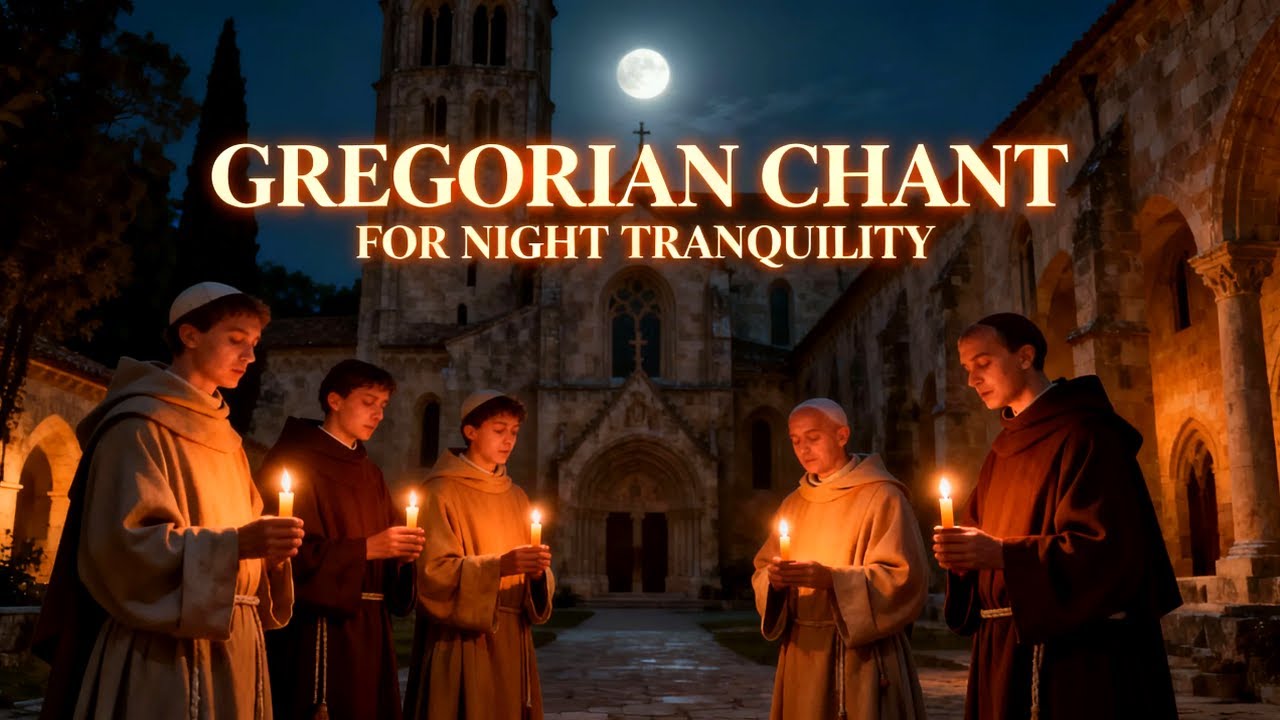
Gregorian Chant:
- Pros: Very consistent texture and dynamics. The lack of a strong beat prevents the brain from latching onto a rhythm.
- Cons: The presence of the human voice can be alerting, even at low volumes. The sound can feel too "heavy" or sonorous for the lightness of drifting off.
- Verdict: Good. Best for the 30-60 minute "wind-down" period before sleep rather than for playing all night.
-
Renaissance Lute:
- Pros: The quiet, intimate sound is not jarring. Slow, improvisatory-sounding fantasies or somber pavanes can be very hypnotic.
- Cons: Melodic and rhythmic variations in many pieces can be just engaging enough to prevent the final slide into sleep. Careful selection is paramount.
- Verdict: Good. Like chant, it's excellent for the pre-sleep phase. Seek out albums or playlists specifically curated for a consistently gentle and slow tempo.
-
Greek Lyre:
- Pros: Simple, repetitive melodic fragments are easily ignored by the brain. The clean sound with no long sustain means there are no "loud" resonant peaks to disturb light sleep.
- Cons: The sparseness may not be enough to mask external noises that could wake you up.
- Verdict: Excellent. A strong candidate for all-night sleep music, especially for people sensitive to sound. Its non-intrusive nature is its greatest strength.
-
Celtic Harp:
- Pros: The lush, sustained sound creates a wonderful buffer against external noise. The rolling, arpeggiated textures can be deeply hypnotic and mimic the rhythm of deep, slow breathing.
- Cons: Prominent melodies, even beautiful ones, can keep the mind engaged.
- Verdict: Excellent. Another top-tier choice for sleep. Look for recordings that emphasize textural harmony over distinct melody, often labeled as "sleep," "lullaby," or "ambient harp."
Curator's Quick-Reference Guide
To synthesize these comparisons, here is a table that can serve as the beginning of your "curator's cheat sheet" for this module.
| Tradition | Focus | Relaxation | Sleep |
|---|---|---|---|
| Gregorian Chant | Good Creates a solemn, immersive space for deep work. |
Excellent Promotes meditative calm and slows breathing. |
Good Best for pre-sleep wind-down; voice may be alerting. |
| Renaissance Lute | Fair Requires careful selection of slow, non-rhythmic pieces. |
Excellent Intimate and grounding for quiet contemplation. |
Good Gentle timbre is ideal, but melodic shifts can distract. |
| Greek Lyre | Excellent Minimalist sound fosters mental clarity and precision. |
Excellent Calming through purity, order, and harmonic simplicity. |
Excellent Non-intrusive and predictable; great for sensitive sleepers. |
| Celtic Harp | Poor Dreamy, immersive quality encourages reverie, not focus. |
Excellent Creates a warm, enveloping sonic embrace for deep release. |
Excellent Lush sound masks noise; hypnotic textures induce sleep. |
Conclusion
Today, we transitioned from appreciation to application, directly comparing these four powerful Western traditions against your curation goals. You now have a robust framework for making informed choices for your playlists.
Key Takeaways:
- For Focus: Prioritize clarity and minimal cognitive load. The Greek Lyre is the strongest contender, followed by carefully selected Gregorian Chant.
- For Relaxation: All four traditions are excellent, but they offer different flavors of relaxation. The Celtic Harp provides an immersive, emotional embrace, while the Lyre offers grounding clarity. The Lute is intimate and introspective, and Chant is serenely meditative.
- For Sleep: The key is predictability and a lack of stimulation. The Lyre and Harp are top-tier choices for all-night listening, while Chant and Lute music are superb for the pre-sleep wind-down period.
In our next and final lesson of this module, we will formalize these insights. You will create a comprehensive 'curator's cheat sheet' for all the Western historical contemplative music we have studied, consolidating your knowledge into a practical tool for all your future playlisting endeavors.