In our previous lesson, we explored the vast, collective sound of Gregorian chant, discovering how its monophonic texture and free rhythm create a unique space for meditative focus. Today, we shift from the sacred space of the cathedral to the intimate setting of the Renaissance chamber. We will examine how the delicate, intricate music of the lute provides a different, yet equally potent, pathway to relaxation.
This lesson will explain how the Renaissance lute's unique construction and musical style—specifically its intimate timbre and contrapuntal clarity—make it exceptionally suited for calming the mind. By the end, you'll understand the character of this beautiful instrument and have a list of key recordings to begin curating for your relaxation playlists.
The Voice of the Lute: An Intimate Timbre
The Renaissance lute was one of the most beloved instruments of its time, praised for its "ravishing tone." Its sound is often described as soft, silvery, and introspective. To understand why, we need to look at its physical form.
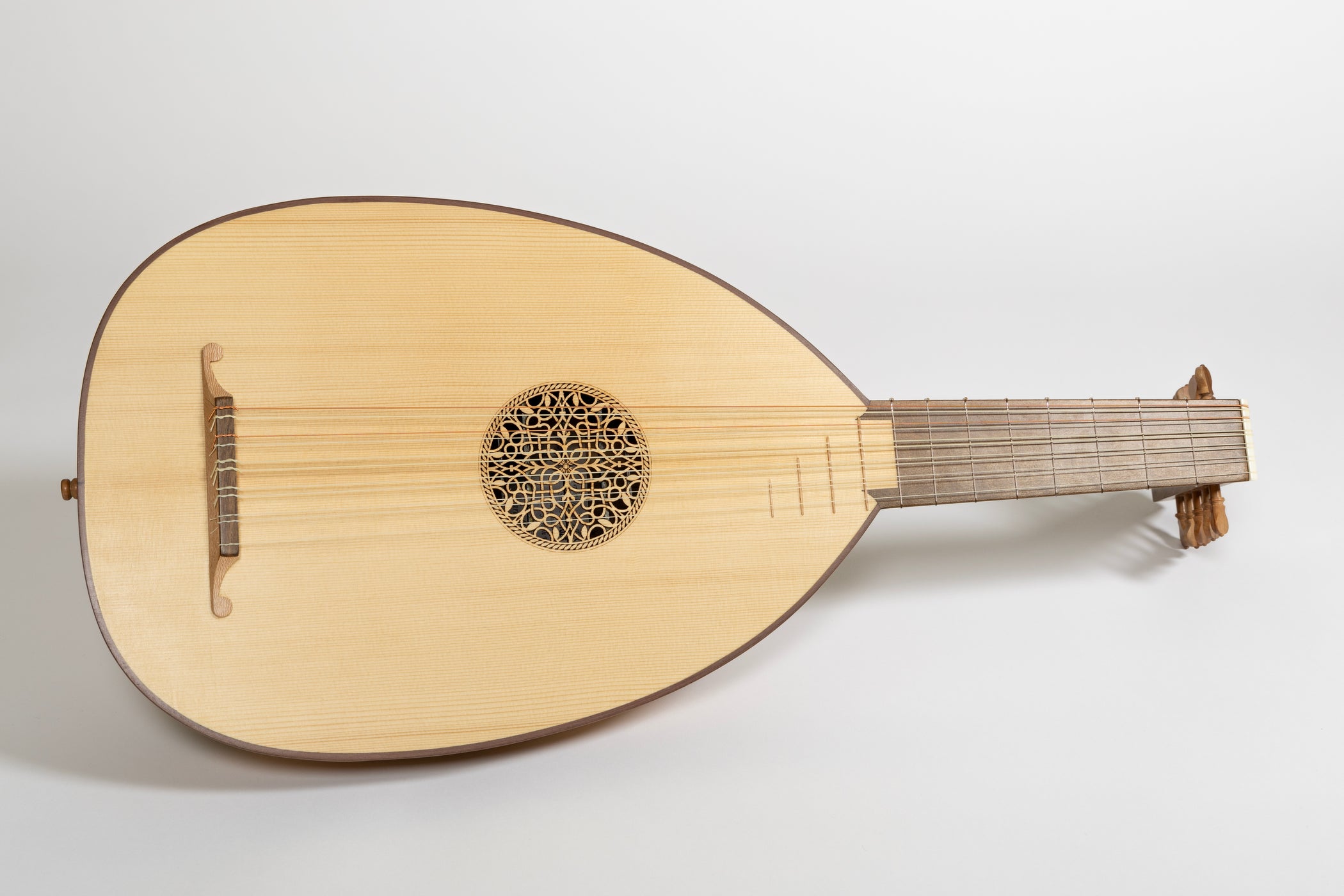
Unlike the modern guitar, the lute has a few key features that define its sound:
- Pear-Shaped Body: The deep, rounded bowl acts as a resonator, but its shape contributes to a sound that is less boomy and more focused than a flat-backed guitar.
- Low-Tension Gut Strings: The strings were historically made of gut and held at a much lower tension than modern nylon or steel strings. This produces a softer attack, a quicker decay, and a wealth of subtle overtones, contributing to its "delicate and rich" character.
- Courses: Most of the "strings" on a lute are actually pairs, called courses. These pairs of strings are played together, creating a natural chorus effect that adds thickness and a shimmering quality to each note.
To truly appreciate this difference, it's best to hear it directly. The following video offers a fantastic comparison, playing the same piece on both a lute and a classical guitar.
This video from lutenist Brandon Acker, titled "Lute VS. Guitar," provides a direct auditory comparison that highlights the lute's unique sonic qualities.
Watch the following segments: First, listen to the performance from the same piece, John Dowland's famous Lachrimae Pavan, played first on lute and then on guitar. Notice the immediate difference in tone and resonance. Next, listen to the commentary on the sound from the presenter's description. He describes the lute as "silvery and bright" and "introspective," which are key to its relaxing feel. Pay close attention to the explanation of the "chorusy effect" from the double strings from the discussion on courses. As a musician, you'll appreciate how this physical feature creates a richer, more "three-dimensional" texture. Finally, the segment from on construction summarizes how the bowl back and low string tension contribute to the instrument's unique feel and sound.
As you heard, the lute's voice is quieter and more intimate. It doesn't command attention with volume; it invites you into its "beautiful silvery world." This non-intrusive quality is a foundational element of its power to relax.
Contrapuntal Clarity: Orderly Complexity
While the lute's timbre is gentle, its music is often intellectually sophisticated. During the Renaissance, a major technical innovation occurred: players began using their fingertips instead of a plectrum (pick). This allowed them to play multiple independent melodic lines at once—a technique known as polyphony or counterpoint.
Your background in jazz gives you a deep appreciation for complex harmony and interplay between voices. Lute music offers a different flavor of this complexity. The instrument's bright tone and rapid decay prevent the sound from becoming muddy. Each melodic line remains clear and transparent, even when two, three, or four voices are woven together. This "contrapuntal clarity" creates a sense of ordered complexity—the music is intricate enough to gently hold your attention, but transparent enough that it never feels chaotic or overwhelming.
The following video introduces the history of the lute and showcases its polyphonic capabilities with music from two of its greatest composers.
Introducing: The Renaissance Lute
In "Introducing: The Renaissance Lute," Brandon Acker explains the musical shift that defined the instrument and provides examples from the master composer John Dowland.
Please watch these two key sections: First, from the technique section, listen to the explanation of how the shift to finger-plucking enabled polyphony and began the "golden age of the lute." Next, watch the segment on John Dowland from the musical examples. Listen to his famous piece Flow My Tears sung with lute accompaniment, and then its solo lute version, Lachrimae pavan. Notice how the solo version uses ornamentation and fills out the harmony, demonstrating the instrument's self-sufficiency.
The music of John Dowland is famously melancholic. This isn't the raw, angsty sadness of some modern genres, but rather a sweet, contemplative melancholy (Lachrimae literally means "tears"). It creates a sound world that is deeply reflective and emotionally resonant without being agitating. This combination of a gentle, intimate sound with clear, structured counterpoint is what makes Renaissance lute music such a powerful tool for relaxation. It organizes the mind without demanding active analysis.

Curation Guide: Key Recordings
When building a playlist of lute music for relaxation, focusing on the masters of the solo repertoire is the best approach. The goal is to find performances that emphasize clarity, nuance, and a beautiful tone.
Key Composers:
- John Dowland (c. 1563–1626): The undisputed master of Elizabethan melancholy. His fantasies, pavans, and galliards are cornerstones of the repertoire. Look for his Lachrimae or Semper Dowland, semper dolens.
- Francesco da Milano (1497–1543): An earlier Italian master known as "Il Divino" (The Divine One). His fantasias and ricercars are masterpieces of elegant, flowing counterpoint.
Key Performers:
The interpretation is paramount. Look for recordings by modern masters who specialize in historical performance practices.
- Paul O'Dette
- Nigel North
- Jacob Heringman
- Jakob Lindberg
- Christopher Wilson
The following article from The Lute Society provides excellent context on the repertoire and names several of these key players.
This article offers a wonderful overview of the lute's history and its vast repertoire.
Please focus on two sections to guide your listening: Read the overview of the repertoire, which introduces the two "Golden Ages" of Italian and Elizabethan composition, highlighting Francesco da Milano and John Dowland. Then, review the listening recommendations. This section explicitly names top-tier players and classic recordings, providing a perfect shopping list for your curation.
For an immediate starting point, the curated playlist below from YourClassical includes excellent performances of pieces by Dowland, da Milano, and others.
Lute: Relaxing Renaissance and Baroque music for lute
This webpage contains a pre-made playlist of relaxing lute music.
Scan the full playlist. Notice the inclusion of John Dowland's Lachrimae Pavane performed by Nigel North, and Francesco da Milano's Fantasia No. 55 performed by Christopher Wilson. These are quintessential examples and excellent additions to any relaxation playlist.
Conclusion
Renaissance lute music offers a unique form of relaxation rooted in intimacy and ordered complexity. It stands in contrast to the collective, atmospheric quality of Gregorian chant, providing a more personal and introspective experience.
Key Takeaways:
- Intimate Timbre: The lute's construction—a pear-shaped body, low-tension gut strings, and paired courses—creates a soft, silvery, and non-intrusive sound perfect for quiet contemplation.
- Contrapuntal Clarity: Its bright tone and quick decay allow for complex polyphonic music where each melodic line remains clear and distinct, offering a gentle structure for the mind to follow.
- Relaxing Effect: The combination of a gentle timbre with emotionally rich, ordered music calms the nervous system while engaging the mind just enough to prevent distraction, fostering a state of peaceful introspection.
In our next lesson, we will continue our journey through Western contemplative traditions by exploring the sounds of two other ancient string instruments: the ethereal Celtic harp and the mythical Greek lyre.