Welcome to the final lesson of your course on Ritucharya and astronomical concepts.
In our last lesson, you learned how to analyze the complex interplay between a season's qualities (Ritu), an individual's constitution (Prakriti), and their current state of health (Vikriti). We established that managing the Vikriti is the top priority, while also considering the person's constitutional vulnerabilities during specific seasons.
Today, we will synthesize everything you have learned throughout this course. We will move from analysis to creation. Your learning outcome is to design a personalized, geographically-appropriate Ritucharya plan for an individual with a specific Prakriti and Vikriti. This is the ultimate application of your knowledge, integrating astronomical timing, geographical context, and deep individual assessment to formulate a powerful, precise health plan.
By the end of this lesson, you will have a systematic framework for creating these plans in your own clinical practice.
A Framework for Personalized Health Design
Creating a truly personalized plan is not about simply picking from a list of recommendations. It is a systematic process of assessment, analysis, and design. We can structure this process into four key steps, which reflect the essence of Ayurvedic clinical reasoning:
- Assessment (
Pariksha): Gathering all relevant data about the individual and their environment. - Analysis (
Yukti): Applying Ayurvedic principles to understand the interactions between all factors and determine the main therapeutic goal. - Design (
Kalpana): Formulating specific, actionable recommendations for diet, lifestyle, and supportive therapies. - Follow-up (
Anumana): Monitoring progress and making adjustments, a step we will see the results of in our case study.
Let's explore these steps in more detail.
Step 1: Assessment (Pariksha) — Gathering the Data
Before any plan can be made, you must have a clear picture of both the person (Purusha) and their environment (Loka). The classical texts advise three main diagnostic methods (Trividha Pariksha):
Darshana(Observation): Assessing physical characteristics like physique, skin, hair, eyes, and gait.Sparshana(Palpation/Touch): Assessing skin temperature and texture, and famously, the pulse (Nadi Pariksha).Prashna(Inquiry): Asking detailed questions about symptoms, diet, lifestyle, sleep, mental state, and routines.
Using these methods, your goal is to define the following key parameters:
The Individual (Purusha):
- Prakriti: The inherent, lifelong constitution.
- Vikriti: The current state of imbalance, identified by symptoms.
- Agni: The state of the digestive fire (e.g., Samagni, Vishamagni).
- Koshta: The nature of the bowel movements (e.g., Krura, Mridu).
- Bala: The person's overall strength and immunity, which naturally varies with the seasons.
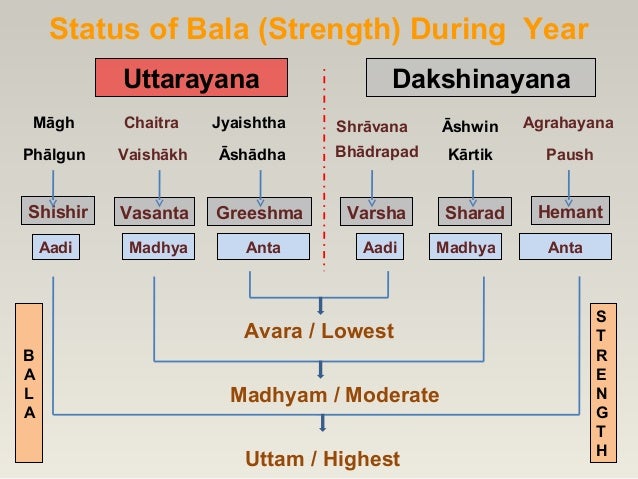
The Environment (Loka):
Desha(Geography): The person's location. Is it dry (Jangala), marshy (Anupa), or moderate (Sadharana)? What is the climate like?Kala(Time): The current Ritu (season), determined by the Sun's position in the zodiac, which you have learned to track throughout this course.
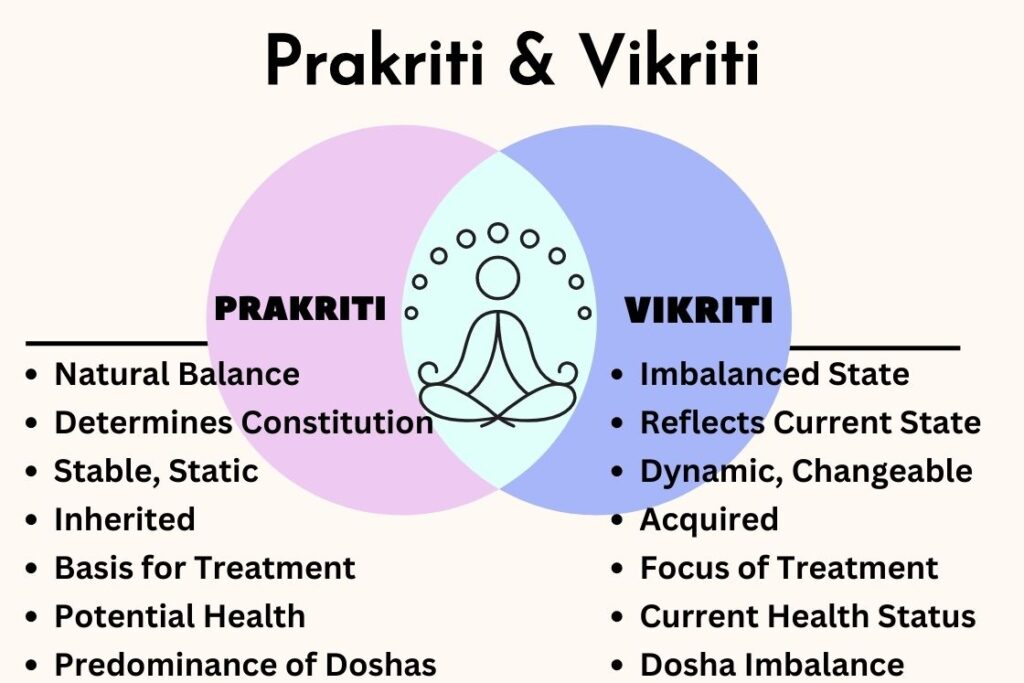
The importance of considering geography (Desha) cannot be overstated. It provides the context in which the seasonal changes occur.
Patient Assessment and Chronic Pain Self-Management in ...
The paper 'Patient Assessment and Chronic Pain Self-Management in Ayurveda' provides excellent insight into how modern Ayurvedic physicians integrate geographical factors into their practice. Its recommendations align perfectly with our goal today.
Please read section 3.2, 'Biogeographical and Ecological Regions with Subjective Pain Perception,' and section 4.2, 'Pragmatic Recommendations.' Focus on how physicians use the concept of 'desh' to tailor advice: How does a coastal region (salty) versus a cold region (hot potency herbs) change the approach? Note the practical advice in section 4.2 about exploring the patient's geographical context and diet choices based on local produce.
Steps 2 & 3: Analysis (Yukti) and Design (Kalpana) — A Case Study
The best way to learn how to analyze and design a plan is to deconstruct an expert's work. We will use a detailed case study of a real patient.
This case provides a perfect example of how to synthesize all the factors we've discussed into a coherent and effective therapeutic plan.
a preliminary mathematical model of Ayurvedic treatment
The paper 'a preliminary mathematical model of Ayurvedic treatment' contains a comprehensive case report. We will use this as our primary reference for the rest of this lesson. First, let's understand the patient's initial situation.
Please read the 'Patient case report' section, focusing on the 'Initial consultation'. As you read, mentally fill out an assessment sheet based on the parameters we just discussed. Also, review the definitions of Prakriti and Vikriti in the 'Theoretical foundations' section and the description of diagnostic methods in the 'Diagnosis...' section to solidify the context.
Deconstructing the Case: 'PD'
Let's break down the case of 'PD' using our 4-step framework.
1. Assessment (Pariksha) Results:
- Individual (
Purusha):- Age: 44-year-old female.
- Prakriti:
Vata-Pitta(thin physique, quick moving, dry skin, fine hair). - Vikriti:
Vata(anxiety, fitful sleep, stiffness, restlessness, forgetfulness, feeling "ungrounded"). - Agni:
Vishamagni(unpredictable appetite, bloating, gas, discomfort after eating). - Koshta:
Krura Koshta(tendency to dry/firm stool, constipation, "erratic" bowel movements). - Bala: Likely low, given the underweight status and Vata aggravation.
- Environment (
Loka):Desha: U.S. Midwest. This region is known for its cold, dry, windy winters and significant seasonal shifts, making it aVata-aggravating environment for much of the year.Kala: Initial consultation was in "early 2022," placing it in late Shishira or early Vasanta Ritu. This is a time of coldness and dryness, further contributing toVataaggravation.
2. Analysis (Yukti):
Here, the practitioner connects the dots:
- The
Desha(Midwest) andKala(winter/early spring) create a cold, dry, and windy environment. - These environmental qualities are identical to the qualities of
Vata Dosha. - The patient's
Prakritiis predominantlyVata, making her constitutionally vulnerable to this environment. - This convergence of factors has led to a clear
Vata Vikriti, manifesting in her mind, digestive system (Vishamagni, Krura Koshta), and tissues (stiffness, dryness). - Therapeutic Goal: The primary and urgent goal is to pacify
Vata Dosha. A secondary consideration is to do this without aggravating thePittain her constitution.
3. Design (Kalpana):
Now, let's examine the specific plan designed for 'PD' and understand the rationale (yukti) for each component.
a preliminary mathematical model of Ayurvedic treatment
Let's now study the treatment plan prescribed for 'PD'. This section is a masterclass in translating analysis into action.
Read the 'Recommendations' section carefully. For each point (A through E), connect it back to our analysis. Ask yourself: How does this specific recommendation counteract the qualities of the Vata Vikriti and the Vata-aggravating environment?
Let's review the logic of the plan:
- A.
Ahara(Diet):- Recommendation: Well-cooked, warm, moist, oily, sweet, nourishing foods.
- Rationale: Directly opposes
Vata's qualities of cold, dry, light, and rough. Cooking foods makes them easier to digest for her compromised Vishamagni.
- B.
Vihara(Daily Routine / Dinacharya):- Recommendation: Regular walking, gentle exercise, main meal at midday, early bedtime, avoid rushing.
- Rationale: Establishes rhythm and stability to counteract
Vata's mobile, erratic quality. Vigorous exercise is avoided as it would deplete her already low Bala.
- C.
Vihara(Seasonal Routine / Ritucharya):- Recommendation: "avoiding exposure to cold and drying wind in winter."
- Rationale: This is a direct, geographically-specific instruction to minimize the primary aggravating cause from her environment.
- D.
Aushadha(Herbal Supplements):- Recommendation: Triphala and Haritaki.
- Rationale: Haritaki is one of the best herbs for pacifying
Vataand regulating bowel movements (Anulomana), directly addressing her Krura Koshta. Triphala supports overall digestion and detoxification.
- E.
Abhyanga(Massage):- Recommendation: Daily self-massage with sesame oil.
- Rationale: The oil's unctuous (Snigdha) and warm (Ushna) qualities are profoundly pacifying for
Vata, calming the nervous system and moisturizing the dry skin and joints.
4. Follow-up (Anumana):
The case report notes that after six months, the patient's Vikriti resolved, her Agni and Koshta returned to normal (Samagni, Sama Koshta), and her weight and blood pressure normalized. This confirms the accuracy of the analysis and the efficacy of the designed plan.
Your Turn to Design a Plan
Now, let's put your skills to the test. Analyze the following case and outline a personalized Ritucharya plan.
Design Challenge!
Case: A 35-year-old male software engineer of Pitta-Kapha Prakriti.
- Environment: He lives in a hot, humid coastal city (e.g., Miami, USA, or Mumbai, India). The current season is Sharad Ritu (autumn), characterized by bright sun and heat after the rainy season.
- Vikriti: He complains of skin rashes, acid reflux (hyperacidity), and irritability. However, due to his sedentary job, he also feels mentally sluggish and heavy in the mornings.
Your Task:
- Analyze the interacting forces (Desha, Kala, Prakriti, Vikriti). What is the primary therapeutic priority?
- Design a plan by outlining two key recommendations for Ahara and two for Vihara. Justify each choice based on your analysis.
Show Answer
1. Analysis (Yukti):
- Primary Aggravation: The
Desha(hot, humid) andKala(Sharad Ritu) are both stronglyPitta-aggravating. This aligns perfectly with hisPitta Vikriti(skin rashes, acidity, irritability). Therefore, pacifying Pitta is the number one priority. - Secondary Factor: His sedentary lifestyle and Kapha nature are contributing to the feeling of heaviness and sluggishness. The plan must pacify Pitta without increasing Kapha's qualities of heavy, slow, and static.
2. Design (Kalpana):
Ahara (Diet) Recommendations:
- Recommendation 1: Emphasize foods with sweet, bitter, and astringent tastes, which are all
Pitta-pacifying. Examples include rice, coconut, cucumber, leafy greens (like kale), and mung beans. He should reduce sour, salty, and pungent tastes (e.g., reduce fermented foods, pickles, chili).- Justification: This directly counteracts the hot, sharp qualities of the
Pitta Vikritiand the season.
- Justification: This directly counteracts the hot, sharp qualities of the
- Recommendation 2: Consume cooling foods, but ensure they are not excessively heavy or cold (which would aggravate Kapha). For example, instead of ice-cold drinks, recommend room-temperature water infused with mint or fennel seeds. Lunch should be the main meal, and dinner should be light and eaten well before bed.
- Justification: This balances the need to cool
Pittawith the need to not extinguish Agni or increase Kapha.
- Justification: This balances the need to cool
Vihara (Lifestyle) Recommendations:
- Recommendation 1: Engage in physical activity during the cooler parts of the day (early morning or evening). Activities that are moderately intense but also calming, like swimming or a brisk walk in nature, would be ideal. Avoid strenuous exercise in the midday sun.
- Justification: This combats the sedentary Kapha sluggishness while avoiding the heat that aggravates
Pitta.
- Justification: This combats the sedentary Kapha sluggishness while avoiding the heat that aggravates
- Recommendation 2: Practice Sheetali or Sheetkari Pranayama (cooling breaths) in the morning. He should also create a structured work routine with short breaks to walk around, preventing the Kapha tendency towards inertia.
- Justification: The pranayama directly cools the mind and body, addressing
Pitta's heat and irritability. The structured routine with movement counteracts the mental and physical sluggishness ofKapha.
- Justification: The pranayama directly cools the mind and body, addressing
Conclusion
Congratulations on completing your journey through the principles of astronomical and personalized Ritucharya. You have progressed from understanding the grand celestial cycles of the Suryasiddhanta to applying that knowledge to the subtle, individual needs of a person.
Key Takeaways from Today's Lesson:
- Designing a personalized Ritucharya plan is a systematic process of Assessment, Analysis, Design, and Follow-up.
- A thorough assessment requires gathering data on the individual (Prakriti, Vikriti, Agni, Bala) and their environment (Desha, Kala).
- The analysis involves weighing these factors to identify the primary therapeutic goal, which is almost always to pacify the active
Vikriti. - The design must be precise, with every recommendation for Ahara and Vihara having a clear rationale (Yukti) aimed at counteracting the qualities of the imbalanced Dosha while considering the geographical and constitutional context.
You now possess the foundational framework to move beyond memorized lists and begin crafting truly effective, individualized health plans. This skill is the heart of Ayurvedic practice and the culmination of this course. Well done.