Introduction
In our previous lesson, you completed the final deliverable for the "Client Onboarding Automation System" by recording a professional client training video. You've now executed a project from architecture to technical handoff to end-user training. This concludes your practical work on building systems and shifts our focus to managing the business of building systems.
A perfectly engineered system and a flawless delivery can still lead to project failure if the scope is not ruthlessly managed. The most common threat is "scope creep"—the endless stream of "quick favors" and "small additions" that erode your profitability and timelines.
This lesson's objective is to equip you with a critical business process: constructing a formal change request system. You will learn how to negotiate scope modifications by systematically documenting their impact on the project's timeline and budget. This isn't a soft skill; it's a rigid, process-driven engineering discipline applied to client management. Mastering this separates freelancers who are run by their clients from consultants who run their business.
Part 1: The Strategic Imperative of Scope Control
Scope creep is a direct attack on your business's viability. Every unbilled "yes" is a transfer of value from you to the client, with no corresponding compensation. A formal process is not confrontational; it is the foundation of a professional, transparent relationship. It protects both you and the client from misunderstandings.
The video below provides a direct, no-nonsense approach to the mindset and language required to control project scope.
How To Control Project Scope & Manage Your Clients | Creative Business - Effective Client Management
This video, 'How To Control Project Scope & Manage Your Clients' from Michael Janda, is a masterclass in establishing and holding boundaries. Pay close attention to the specific language used.
Watch the segment from 02:38 to 07:32. Focus on these four critical points: The Protective Clause (02:38 - 03:35): Internalize the contract clause that makes this entire process possible: "Any items not detailed in this agreement are considered out of scope and may require a change order." Active Monitoring (03:35 - 05:03): Understand the importance of identifying and calling out an out-of-scope request even if you decide to do it for free. This preserves your leverage. The Pushback Script (05:03 - 06:04): Memorize this script: "Thanks for this request. Since it isn't part of the original scope, we would be happy to provide you with a price and timeline to add it to the project." The Formal Addendum (06:04 - 07:32): Note that the final step is a formal document—an addendum—that details the new scope, deliverables, and price. This is the output of our process.
The key is to transform a potentially awkward conversation into a standard business procedure. You are not saying "no"; you are saying, "Yes, and here is the process to do that."
Part 2: Engineering Your Change Control Process
A robust change control process is a system, just like your n8n workflows. It has defined inputs, processing steps, and outputs. We will engineer a lightweight but effective version for your freelance practice.
This article from Monograph, though aimed at architectural firms, provides the exact formal structure we need to adapt.
Proven Strategies to Manage Project Scope Creep - Monograph
The article 'Proven Strategies to Manage Project Scope Creep' outlines a professional change management framework. We'll extract the core components to build our freelance process.
Read the sections 'Implement Formal Change Management with Written Authorization' and 'Conduct Structured Kickoff Meetings with Decision-Makers'. Focus on two ideas: The Standardized Change Request Form: This is the formal input to your process. It documents the requested change, the reason, and a preliminary assessment. Reviewing the Process Upfront: The best time to introduce your change management process is during the project kickoff, not during the first dispute.
Our process will follow these logical steps, as visualized in the flowchart below.
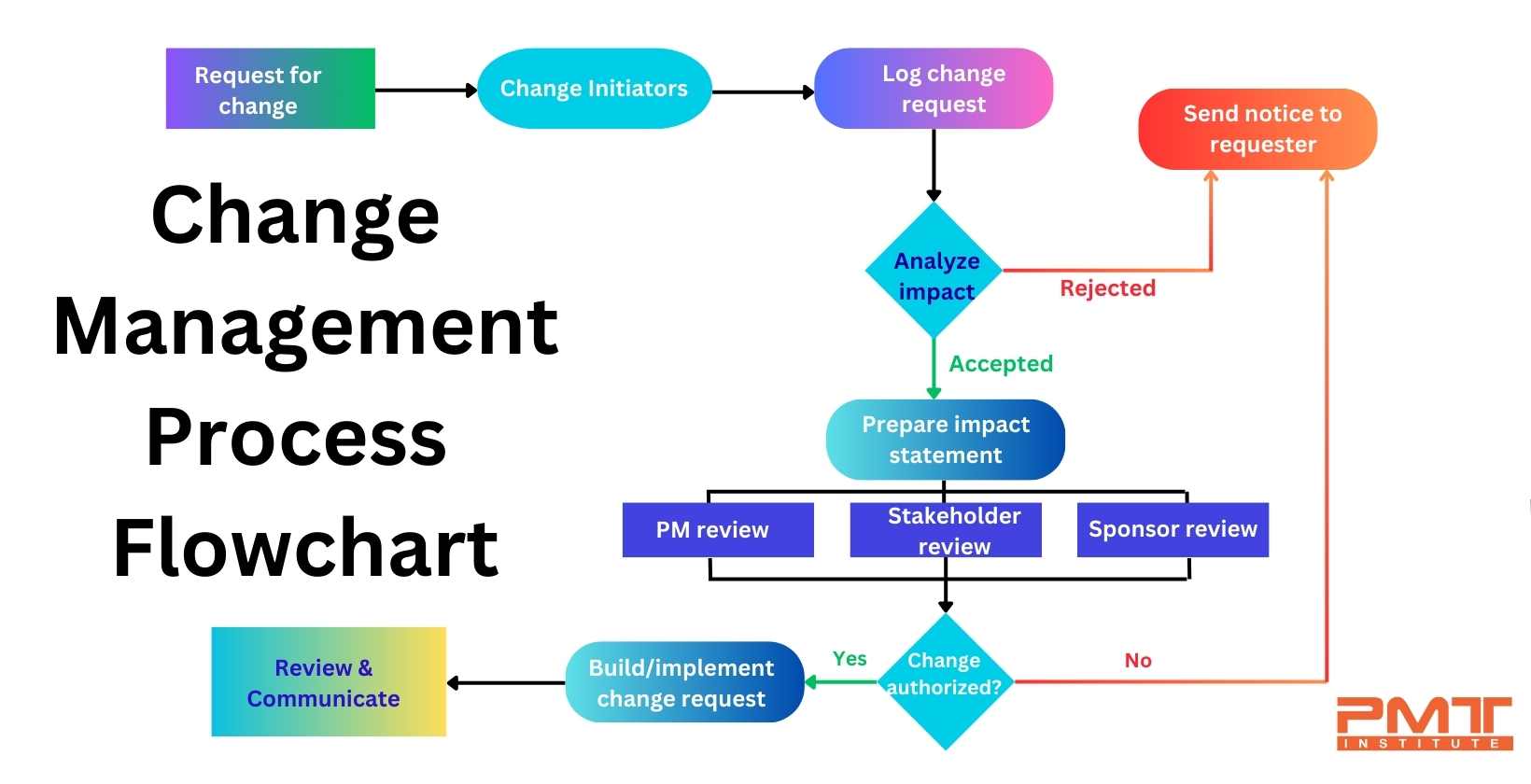
Here is our streamlined, 5-step workflow for handling any change request:
- Identify & Acknowledge: You identify a client request as out-of-scope. You respond immediately with the pushback script from Part 1, acknowledging their idea and stating you will provide an analysis.
- Formalize the Request: You document the request using a standardized Change Request Form. This captures exactly what the client wants in writing, eliminating ambiguity.
- Conduct Impact Analysis: This is the core technical step. You analyze the request and determine its impact on timeline, budget, and risk.
- Create the Addendum: You compile the Change Request and your Impact Analysis into a single document—a Project Addendum or Change Order. This document proposes the new scope, timeline, and cost.
- Secure Approval: You send the Addendum to the client for written approval. If they approve, it becomes part of the official project contract. If they decline, the original scope remains unchanged. Work on the change begins only after written approval is received.
Part 3: Practical Task: Build Your Change Control Templates
Your task is to build the reusable document templates required to execute this process. You are creating the core operational assets for your freelance business. These documents must be professional, clear, and ready to deploy.
Deliverable 1: Change Request Form Template
Create a template for a Change Request Form. This can be in Google Docs, a Markdown file, or any other easily shareable format. The goal is to have a simple, structured document to capture the initial request.
It must contain the following fields:
- Project Name
- Requestor Name
- Date of Request
- Change Request ID (e.g., [ProjectName]-CR-001)
- Description of Change: (A clear, detailed description of what is being requested.)
- Business Justification: (Why is this change needed? What business goal does it support?)
- Priority: (e.g., High, Medium, Low)
Deliverable 2: Impact Assessment & Project Addendum Template
Create a second template that combines the impact analysis and the formal addendum. This is the document you will send to the client for approval.
Use the template below as a model for the structure and level of detail required.
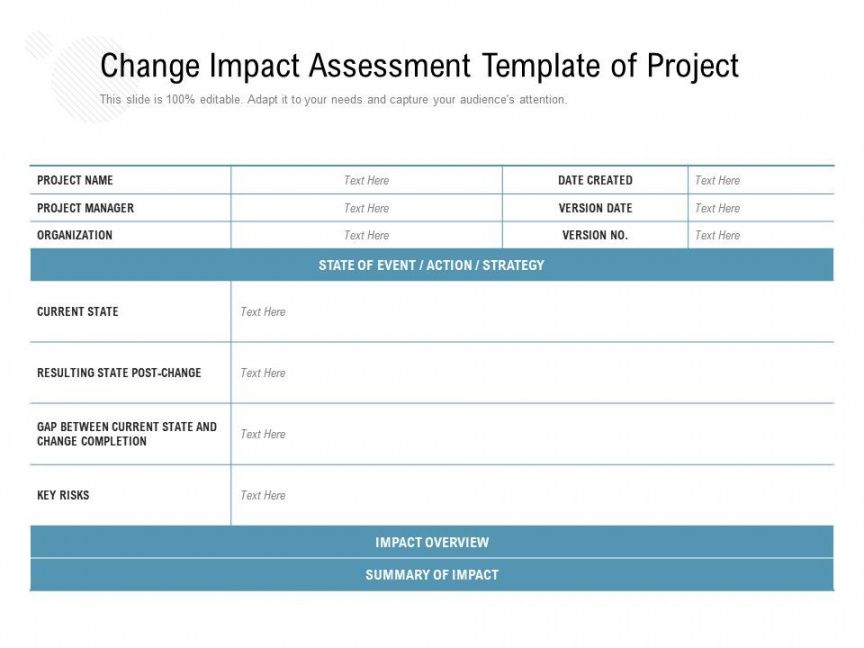
Your Impact Assessment & Project Addendum template must include:
- Header Information:
- Project Name
- Client Name
- Addendum ID (matching the Change Request ID)
- Date
- 1. Original Request:
- (Copy the 'Description of Change' and 'Business Justification' from the Change Request Form here.)
- 2. Impact Analysis:
- Timeline Impact: (e.g., "This change will add an estimated 5 business days to the project timeline. The new projected completion date is [New Date].")
- Budget Impact: (e.g., "This change requires an estimated X additional hours of work at the agreed-upon rate of $Y/hour. The total additional cost is $Z. The revised total project cost will be [New Total].")
- Scope Impact: (Clearly list the new deliverables being added. List any deliverables being removed or modified.)
- 3. Authorization:
- "By signing below, you authorize the changes to the project scope, timeline, and budget as detailed in this addendum. Work on this change will commence upon receipt of your approval. All other terms and conditions of the original Statement of Work remain in effect."
- Client Signature Line & Date
- Your Signature Line & Date
Submit both templates as shareable Google Docs links or as Markdown files.
Evaluation Criteria
- Completeness: Do the templates contain all the required fields and sections outlined above?
- Clarity & Professionalism: Are the documents well-structured, easy to read, and free of jargon? Do they project a professional image?
- Actionability: Are these templates ready to be used with a real client immediately? Is the language in the authorization section clear and unambiguous?
- Process Adherence: Do the two documents work together to form a cohesive change control process (input form -> analysis/approval document)?
Conclusion
By constructing a formal change request process, you have built a critical piece of business infrastructure. This system allows you to handle scope modifications with professionalism and predictability, protecting your time and profitability while maintaining a transparent and respectful relationship with your clients. You now have the tools not just to identify scope creep, but to systematically manage it.
Key Takeaways:
- Scope creep is managed through process, not personality.
- A formal change control system consists of five steps: Identify, Formalize, Analyze, Propose, and Approve.
- Your core tools are the Change Request Form (to capture the request) and the Impact Assessment & Addendum (to secure approval).
- Introduce your process at the start of a project to set clear expectations from day one.
Preview of the Next Lesson:
This lesson concludes the "Professional Delivery and Client Management" module. You have mastered the full lifecycle of a project from a senior consultant's perspective. You are now equipped to handle both the technical execution and the business management of a freelance automation project.
We will now begin Phase 5: Freelance Business Strategy. Our first lesson will focus on defining your service offering and target market. You will learn how to craft a specialist positioning statement for your Mostaql profile to attract high-quality clients who value the professional processes you've just learned.