Introduction
In our last lesson, we examined the "hidden terms and conditions" of medical admissions: service bonds and financial penalties. Understanding these is vital because they form a critical dataset for the choices your sister will make. Now, we move from analyzing the individual attributes of colleges to constructing the master plan itself.
This lesson focuses on a cornerstone of counseling strategy: how to apply the 'Top-to-Bottom' preference principle to maximize allotment chances while securing a low-fee seat. This is where all your research on cutoffs, fees, and bonds converges into a single, ordered list that will be fed into the counseling system.
From your perspective as a developer, you can think of the counseling seat allotment process as a deterministic algorithm. It takes one primary input: a ranked list of preferences. The algorithm processes this list sequentially and assigns the first available seat it finds that matches the candidate's rank. Your goal is to structure this input list so perfectly that the algorithm's output is the best possible college for your sister. A poorly ordered list will lead to a suboptimal outcome, even with a great rank.
The 'Top-to-Bottom' Principle: How the Algorithm Works
The single most important rule in choice filling is to list colleges in descending order of desirability, not perceived probability. Many candidates make the mistake of not listing a top-tier college because they think their rank isn't good enough. This is a fundamental misunderstanding of the process.
The counseling algorithm is simple and predictable. Let's visualize it:
- The system looks at your Choice #1.
- It checks: "Is a seat available in this college for this candidate's rank and category?"
- If YES, the seat is allotted, and the process stops for you in that round.
- If NO, the system moves to your Choice #2 and repeats the check. It continues this process down your entire list until it finds a match.
This means there is absolutely no penalty for placing "dream" colleges at the top of your list. If your sister doesn't qualify for them, the algorithm simply moves on to the next option. However, if you place a "safe" college that she is less excited about above a more desirable college, you risk the algorithm allotting the safe college and never even checking her eligibility for the better one she might have qualified for.
This guide from Career Plan B explains this "golden rule" perfectly.
NEET UG 2026 Choice Filling Guide: Strategy for ... - Career Plan B
This article clearly explains the algorithmic nature of the choice filling process and the importance of the 'Top-to-Bottom' approach.
Start by reading the section "What Is NEET Choice Filling" to understand how the algorithm works. Then, focus on the section "Start With Your Dream Colleges". This explains the core principle of listing choices by preference, not by the probability of getting in.
Structuring Your List: The 'Dream, Realistic, Safe' Framework
Now, let's translate this principle into a practical structure. A well-built preference list can be divided into three logical tiers, assembled in this precise order:
- Dream/Aspirational Colleges: These are the absolute top choices—the best colleges your sister would love to attend, even if her rank is on the edge or slightly below last year's cutoff. This tier should include premier AIQ institutions (like AIIMS, JIPMER) and the top-tier government colleges in Tamil Nadu (like Madras Medical College, Stanley Medical College).
- Realistic/Competitive Colleges: This is the core of your list. These are colleges where your sister's rank falls comfortably within the closing ranks of previous years. This tier requires solid research using the cutoff data we'll analyze in a later lesson. It should include a mix of good government colleges from both the AIQ and the Tamil Nadu state quota.
- Safe/Backup Colleges: These are colleges where your sister's rank is significantly better than the previous years' closing ranks. Including these at the bottom of the list acts as a safety net, ensuring she secures a seat even if the cutoffs for her dream and realistic choices rise unexpectedly. This tier would typically include newer government colleges or less-preferred locations.
This tiered approach ensures you are always aiming for the best possible outcome while mitigating the risk of ending up without any seat. The DocTutorials guide provides an excellent summary of this framework.
NEET UG Counselling 2025 | Choice Filling Tips to Secure Your ...
This guide provides clear, actionable steps for structuring a preference list.
First, read the section "Dream–Realistic–Safe" Framework, which details the three tiers of choice filling. Then, read the advice under "Balance Between Dream and Safe Picks", which reinforces how to combine these tiers effectively.
Applying the Principle to Secure a Low-Fee Seat
Given your sister's preference for government or low-fee seats, this structure must be built with a strict financial filter. The fee difference between a government college and a private one is enormous, often by a factor of 20 or more.
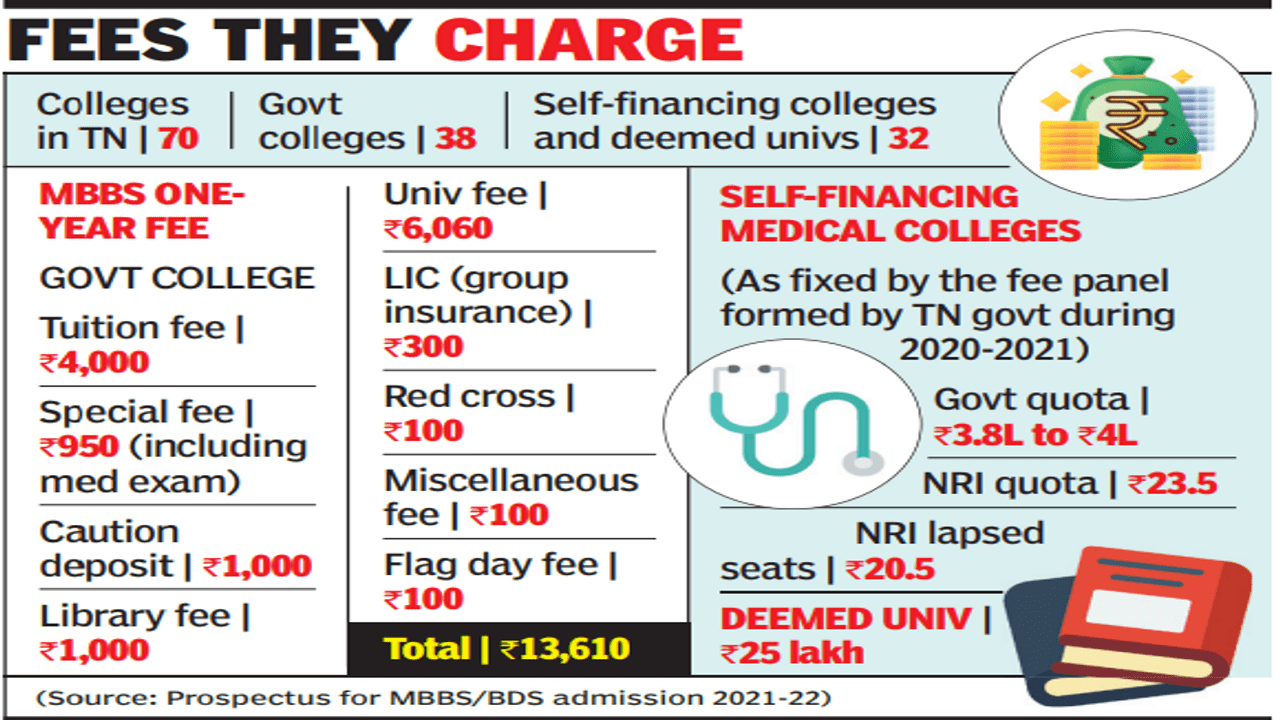
Therefore, the 'Top-to-Bottom' principle must be applied within the category of affordable colleges first. The hierarchy on your preference list should look something like this:
- All desirable Government Medical Colleges (via AIQ and State Quota): List every single government college she would be willing to attend, ordered by her preference (considering factors like city, reputation, and bond status).
- All desirable Government Quota seats in Self-Financing Medical Colleges (via State Quota): These are the next most affordable option. Again, list all acceptable options in order of preference.
- Do not list any college you cannot afford or are unwilling to join. Any college on the list is a potential allotment. Including an expensive Deemed University "just in case" is a dangerous mistake, as she could be allotted that seat, forfeit her security deposit if she declines, and be knocked out of further rounds.
This flowchart provides a helpful general model for ordering college types.

Practical Execution and Common Pitfalls
With the strategy defined, execution is key. Here are two critical points to remember:
- Fill as Many Choices as Possible: The counseling portal allows you to add hundreds of choices. A longer list provides a wider safety net. Every acceptable college that is not on the list is a missed opportunity. There is no penalty for a long list, but a huge risk in a short one.
- Research is Non-Negotiable: Do not add any college to the list without confirming its fee structure and bond requirements. The previous lesson on bonds and this section on fees are your primary filters.
Avoid these common errors that can derail a good strategy:
| Mistake | What Goes Wrong | How to Prevent |
|---|---|---|
| Listing by Probability | You place a "safe" college above a "dream" one and get allotted the safe seat, missing a chance at the better college. | Always list by desirability. The algorithm handles the probability for you. |
| Filling Too Few Choices | Cutoffs rise slightly, and you don't qualify for any of the few colleges on your list. You end up with no seat. | Fill 200-300+ choices, covering all dream, realistic, and safe options she is willing to join. |
| Including Unwanted Colleges | You get allotted a seat in a college you can't afford or don't want to attend, forcing a forfeiture of the security deposit. | Be ruthless. If a college isn't a viable option (due to fees, bonds, or location), do not include it. |
| Ignoring State Quota | You focus only on AIQ and miss out on a better college available through the stronger Tamil Nadu state quota. | Build separate, coordinated lists for AIQ and State counseling, leveraging the state quota advantage. |
This article offers a concise summary of these pitfalls.
NEET UG Counselling 2025 | Choice Filling Tips to Secure Your ...
This guide not only explains what to do but also what to avoid.
First, review the factors to consider under the heading "Tuition, Bond & Expenses". Then, carefully study the table under Common Mistakes to Avoid to understand the most frequent errors candidates make.
Conclusion
You have now learned the core strategic principle of NEET choice filling. This isn't just about picking colleges; it's about ordering them logically to guide the allotment algorithm toward the best possible outcome for your sister.
Here are the key takeaways from this lesson:
- Order by Preference, Not Probability: The 'Top-to-Bottom' principle dictates that you must list colleges in your sister's true order of preference. The algorithm will handle the rest.
- Use the 'Dream, Realistic, Safe' Framework: Structure your list by tiering aspirational choices first, followed by competitive ones, and finally, backup options to ensure a successful allotment.
- Prioritize Low-Fee Seats: To secure an affordable seat, your list must exhaust all desirable government and government-quota options before even considering any higher-fee private colleges.
- Be Exhaustive and Informed: A long, well-researched list is your best safety net. Never include a college without knowing its fees and bond conditions, and never leave an acceptable college off the list.
In our next lesson, we will put this all into practice. We will move from theory to application by simulating a choice-filling scenario for a borderline rank, where balancing ambition with the security of a confirmed seat becomes a masterclass in strategic thinking.