Welcome to the final lesson of our module on the science of stress and recovery. Over the past few lessons, we've journeyed deep into the body's intricate stress machinery. We began by examining the "accelerator" — the HPA axis and sympathetic nervous system that power the acute stress response. We then explored the crucial "brake" — the vagus nerve and the parasympathetic system responsible for recovery. Finally, we learned how to read the "dashboard" of this system by interpreting Heart Rate Variability (HRV) as a key biomarker.
Today, we bring all these pieces together. Your learning outcome is to create a cheat sheet summarizing stress pathways, recovery mechanisms, and key biomarkers. This lesson is designed to be a synthesis, consolidating the entire module into a single, practical reference that you can use to understand your body's signals and guide your daily decisions for focus and relaxation. We will build this "master formula" for the module, piece by piece.
Part 1: The Two Sides of the Autonomic Coin
At the heart of our discussion is the Autonomic Nervous System (ANS), which operates largely unconsciously and regulates our core bodily functions. It has two main branches that act in a dynamic balance.
The Stress Pathway: The Accelerator
When your brain perceives a stressor—be it a demanding work project, a challenging powerlifting set, or an emotional conflict—it initiates a two-pronged response to mobilize energy.
- Sympathetic Nervous System (SNS): This is the immediate, fast-acting system. It triggers the release of adrenaline and noradrenaline, leading to increased heart rate, heightened alertness, and shunting of blood to the muscles. This is the classic "fight or flight" response.
- Hypothalamic-Pituitary-Adrenal (HPA) Axis: This is the slower, more sustained response. The hypothalamus signals the pituitary gland, which in turn signals the adrenal glands to release cortisol. Cortisol keeps the system on high alert, mobilizes glucose for energy, and modulates inflammation.

To refresh your memory on the specifics of the HPA axis, the video below offers a concise explanation of its central role.
The Brain Vagus Nerve HP Axes and Neurotransmitters Continuing Education Training
This video from Doc Snipes reviews the function of the Hypothalamic-Pituitary-Adrenal (HPA) axis as the body's main stress response controller.
Watch the short segment from this timestamp to review how the HPA axis orchestrates the release of stress hormones like adrenaline and cortisol to manage the body's resources under stress.
The Recovery Pathway: The Brake
The counterbalance to the SNS is the Parasympathetic Nervous System (PNS), often called the "rest and digest" or "feed and breed" system. Its primary mission is to conserve energy and oversee routine operations. The master lever for engaging this system is the vagus nerve.
When the vagus nerve is activated, it releases the neurotransmitter acetylcholine, which acts as a brake on the heart, slowing it down. This "vagal brake" is the primary mechanism behind the increase in HRV and the physiological shift toward a state of calm. This is why techniques that activate the vagus nerve are so effective for relaxation.
Part 2: The Stress Spectrum - Eustress vs. Distress
A crucial insight for performance is that stress is not inherently bad. The relationship between stress (arousal) and performance is best described by the Yerkes-Dodson Law, which follows an inverted-U shape.
- Eustress (Good Stress): This is the optimal level of acute stress that enhances focus, motivation, and performance. Think of the pressure before a presentation that sharpens your mind.
- Distress (Bad Stress): This occurs when stress is either too low (leading to boredom and underperformance) or, more commonly, too high or chronic. Chronic activation of the stress pathways without adequate recovery leads to what is called allostatic load—the cumulative wear and tear on the body. This is where we see the negative consequences of stress, such as burnout, cognitive impairment, and increased health risks.
Your goal is not to eliminate stress but to become skilled at managing it: activating the stress response when needed for performance and deliberately engaging the recovery response to return to baseline efficiently. Autonomic flexibility—the ability to move fluidly between these states—is the hallmark of resilience.
Part 3: The Recovery Toolkit - Mechanisms of Action
Now that we understand the "what" (the pathways), let's summarize the "how" (the mechanisms to deliberately trigger recovery). We can group these into two categories.
Bottom-Up Regulation: Shifting Physiology to Shift the Mind
These techniques work by directly stimulating the physiological pathways of the PNS, particularly the vagus nerve, which then sends calming signals up to the brain.
- Respiratory Control: As we've discussed, emphasizing and extending your exhales is the most direct way to engage the vagal brake. Inhales speed the heart up; exhales slow it down. Deliberately controlling this rhythm is a powerful tool for autoregulation.
- Mechanical Vagus Nerve Stimulation: The vagus nerve runs through your neck and chest, and certain vibrations can physically stimulate it. You can review some of these fascinating techniques in the video below.
Control Your Vagus Nerve to Improve Mood, Alertness & Neuroplasticity
Professor Andrew Huberman explains several non-invasive methods for activating the vagus nerve to induce calm, based on the nerve's anatomy.
Watch the segment from this timestamp. It details how neck stretches, and particularly specific types of humming that create vibration deep in the throat and chest, can mechanically activate the vagal pathways and promote a parasympathetic response.
- Gut-Brain Axis: About 90% of your body's serotonin is produced in the gut. While this serotonin doesn't cross into the brain, its levels are communicated to the brain via the vagus nerve. A healthy gut microbiome, supported by fermented foods and fiber, produces metabolites that signal safety and well-being up the vagus nerve, promoting a calmer brain state.
Top-Down Regulation: Using the Mind to Shift Physiology
These techniques leverage your cognitive functions, primarily in the prefrontal cortex, to regulate emotional centers like the amygdala and down-regulate the stress response. Examples include focused-attention meditation, cognitive reframing, and loving-kindness meditation, which we will explore in detail in the next module.
Part 4: The Dashboard - Key Biomarkers
To effectively manage your stress and recovery, you need objective feedback. As a statistician, you'll appreciate the power of moving from subjective feeling to quantifiable data.
Heart Rate Variability (HRV): The Gold Standard
As we covered in our last lesson, HRV is the most powerful non-invasive biomarker of autonomic function. It is the real-time readout of your vagal brake in action. A higher resting HRV indicates a well-recovered, adaptable, parasympathetic-dominant state. A lower resting HRV indicates a fatigued, stressed, sympathetic-dominant state.
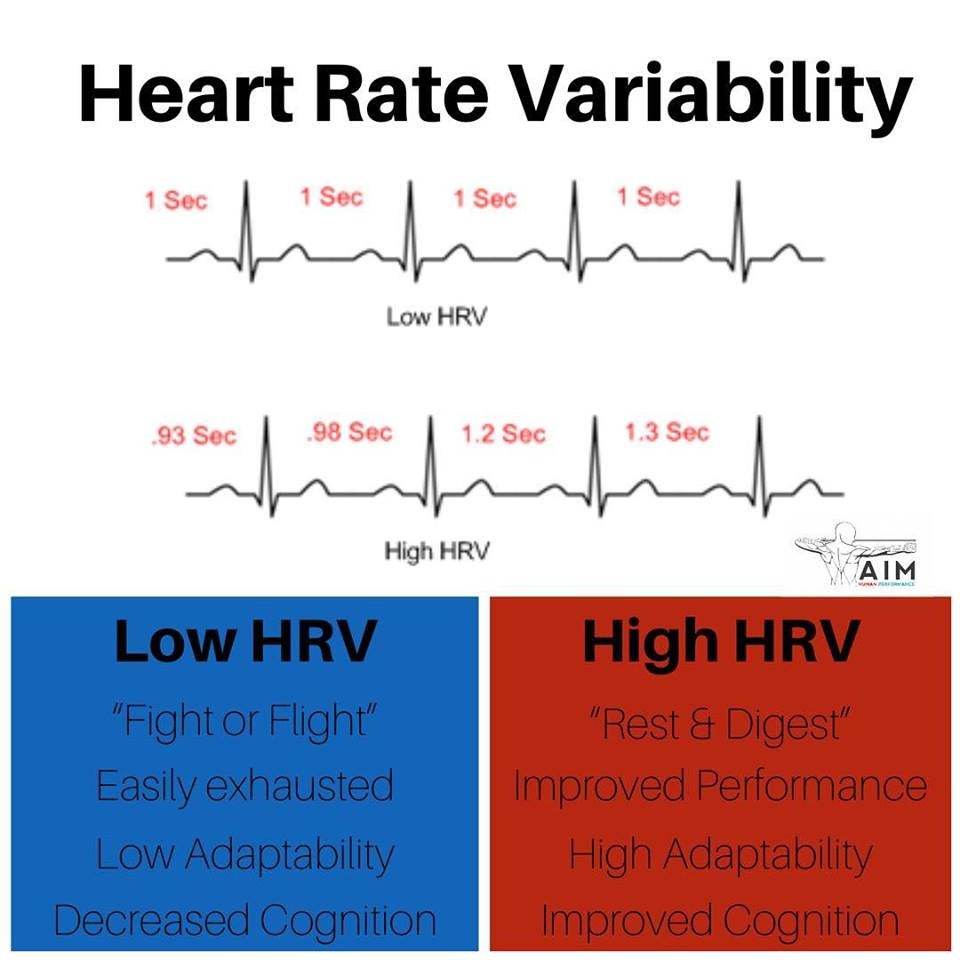
For someone with your background, understanding the specific metrics provides a deeper layer of insight. The following reading contains a crucial table that breaks down the different HRV parameters and maps them to the specific branches of the autonomic nervous system they reflect.
Heart rate variability: a multidimensional perspective from ... - PMC
This section of a comprehensive review paper details the various time-domain, frequency-domain, and non-linear HRV metrics.
Please study the section on HRV parameters. Pay special attention to Table 3, which is effectively a "statistician's cheat sheet" for HRV. It maps metrics like SDNN, RMSSD, LF, HF, and others to their corresponding sympathetic, parasympathetic, or mixed influence. Note the caveats, which highlight the importance of context (like posture and breathing) in interpretation.
Resting Heart Rate (RHR): The Simple Indicator
While less nuanced than HRV, your RHR is still a valuable and easy-to-track metric. A lower RHR is generally indicative of better cardiovascular fitness and higher parasympathetic tone. An unexplained spike in your morning RHR is often a sign of poor recovery, illness, or high stress.
Subjective Markers
Data is powerful, but it should always be paired with your subjective experience. How is your mood? Your energy levels? Your sleep quality? Your motivation? Combining objective data (HRV, RHR) with subjective self-assessment gives you the most complete picture of your recovery status.
The Master Cheat Sheet: Stress & Recovery
Here is the consolidated summary of the entire module, bringing together the pathways, principles, practices, and parameters into a single reference.
The Stress & Recovery System: A Cheat Sheet
1. The Pathways: Accelerator vs. Brake
| System | Key Pathway(s) | Hormones/Neurotransmitters | Primary Function | Analogy |
|---|---|---|---|---|
| Stress | Sympathetic Nervous System (SNS), HPA Axis | Adrenaline, Noradrenaline, Cortisol | Mobilize Energy (Fight or Flight) | Accelerator |
| Recovery | Parasympathetic Nervous System (PNS) | Acetylcholine | Conserve Energy (Rest & Digest) | Vagal Brake |
2. The Principles: Managing the System
- Autonomic Flexibility is the Goal: Resilience is not about being calm all the time, but about shifting effectively between stress and recovery states as needed.
- Embrace Eustress: Acute, manageable stress (e.g., intense exercise, focused work) is essential for growth and peak performance (Yerkes-Dodson Law).
- Minimize Distress: Chronic, unmanaged stress leads to allostatic load (wear and tear), impairing cognitive function and health.
- Recovery is an Active Skill: Just as you train your muscles, you must actively train your recovery pathways.
3. The Practices: Mechanisms of Action
| Category | Technique Examples | Mechanism of Action |
|---|---|---|
| Bottom-Up | Exhale-Focused Breathing (e.g., Physiological Sigh) | Directly stimulates the vagus nerve via diaphragm movement and extended exhales, activating the "vagal brake". |
| Cold Exposure (e.g., face immersion) | Triggers the Mammalian Dive Reflex, a powerful, hardwired vagal response that rapidly slows heart rate. | |
| Mechanical Stimulation (e.g., humming, gargling) | Creates physical vibrations in the throat that directly activate local branches of the vagus nerve. | |
| Gut Health (e.g., fermented foods, fiber) | Microbiome produces metabolites (e.g., SCFAs) that signal safety and well-being to the brain via vagal afferents. | |
| Top-Down | Meditation & Mindfulness | Strengthens prefrontal cortex (executive control) inhibition of the amygdala (threat detection). |
| Cognitive Reappraisal | Changes the brain's interpretation of a stressor, preventing the HPA/SNS cascade from fully activating. |
4. The Parameters: Reading the Dashboard
| Biomarker | Key Metric(s) | Interpretation (at rest) | Practical Notes |
|---|---|---|---|
| HRV | rMSSD (ms) | High = Good Recovery. Parasympathetic dominance. Ready for high strain. Typical healthy range: 25-65ms. | Gold standard for daily recovery. Focus on the trend vs. your baseline. Insensitive to single-day fluctuations is best. |
| SDNN (ms) | High = Good Overall Variability. Reflects both PNS & SNS influence. Typical healthy range: 50-100ms. | Better for longer (24h) recordings. Less useful for short morning readings. | |
| HF Power (ms²) | High = Good Recovery. Strong marker of vagal activity (PNS). Correlates strongly with rMSSD. | Frequency-domain equivalent of rMSSD. Reflects respiratory influence. | |
| RHR | Beats Per Minute (bpm) | Low = Good Fitness. Indicates strong vagal tone. A sudden rise of 5+ bpm can signal poor recovery. | A simple, secondary indicator. Track your morning resting rate before getting out of bed. |
| Subjective | Mood, Energy, Sleep Quality, Motivation (1-10 scale) | High Scores = Good Recovery. Provides essential context for the objective data. | Always combine with objective metrics. If data and feel conflict, trust your subjective feeling and investigate. |
Conclusion
With this lesson, you have constructed a complete, evidence-based model of your body's stress and recovery systems. You understand the core neural and hormonal pathways, the principles for managing them effectively, the mechanisms behind key recovery practices, and the biomarkers to track your progress. This master cheat sheet serves as the capstone for this module, providing the foundational knowledge for everything that follows.
You are now perfectly positioned for our next module, "An Evidence-Based Toolkit for Relaxation." Having mastered the "why" and the "what," we will now dive deep into the "how." We will explore a diverse menu of practical, science-backed techniques—from specific breathwork protocols and meditation styles to the strategic use of nature and thermal stress—and learn how to deploy them to actively manage your energy and cultivate deep rest.