Welcome to the final lesson of our module on nutrition for cognitive performance. Over the past few lessons, we've moved from theory to practice. You audited your diet, established a baseline, and then designed a series of specific, evidence-based interventions to run as your own N-of-1 experiment. You now have a framework for systematically testing how food impacts your focus and energy.
Today, we will synthesize and consolidate everything we've covered into a single, durable tool. Your learning outcome is to create a cheat sheet of nutrition principles for cognitive performance. This is not just a summary, but an actionable set of operating instructions for your brain—a quick-reference guide that distills complex nutritional neuroscience into clear, daily directives. This "final formula" will serve you long after your initial experiment, helping you make consistently better decisions to sustain high cognitive output.
The Philosophy: Patterns Over Parts
Before we build the cheat sheet, let's establish the guiding philosophy. While it's tempting to focus on single "superfoods" or nutrients, the most robust evidence points to the power of dietary patterns. Nutrients in whole foods work synergistically. For example, the healthy fats in olive oil enhance the absorption of fat-soluble vitamins from leafy greens. A diet is more than the sum of its parts.
This is why dietary patterns like the Mediterranean (MeDi), DASH (Dietary Approaches to Stop Hypertension), and especially the MIND (Mediterranean-DASH Intervention for Neurodegenerative Delay) diet consistently show neuroprotective benefits. They aren't about one magic ingredient; they are about a matrix of interacting compounds that collectively reduce inflammation, combat oxidative stress, and provide the building blocks for a healthy brain.
The paper "Impact of Diet and Exercise Interventions on Cognition and Brain Health" provides an excellent summary of these diets and their shared principles. We will draw upon this to build our cheat sheet.
Your Cognitive Nutrition Cheat Sheet
Here is a distillation of the key principles we have explored, organized for practical application. Think of these as the rules for fueling your cognitive engine.
| Principle | Mechanism (The "Why") | Action (The "How") |
|---|---|---|
| 1. Stabilize Blood Glucose | Prevents energy spikes and subsequent crashes ("brain fog") by providing a steady fuel supply to the brain. | - Prioritize low-glycemic index (GI) carbs: whole grains, legumes, vegetables. - Eat fiber, fat, and protein before carbs in a meal. - Strictly limit simple sugars and refined grains (white bread, pastries). |
| 2. Time Macronutrients Strategically | Protein/fat promote alertness via dopamine/norepinephrine. Starchy carbs promote relaxation via serotonin. | - Lunch: Low-carbohydrate, focusing on protein, healthy fats, and vegetables to maintain afternoon focus. - Dinner: Incorporate complex/starchy carbohydrates to aid the transition to sleep. |
| 3. Build with Essential Fats & Proteins | Omega-3s (EPA/DHA) are crucial structural components of neuron membranes. Choline is a precursor to acetylcholine (focus). Amino acids are precursors to key neurotransmitters. | - Eat fatty fish (salmon, mackerel), eggs (especially yolks for choline), nuts, and seeds. - Supplement with Omega-3s (aim for >1000 mg EPA daily). - Consider creatine monohydrate (5g/day) for benefits to brain energy metabolism, especially on a lower-meat diet. |
| 4. Protect with Phytonutrients | Compounds in plants (polyphenols, flavonoids) have potent antioxidant and anti-inflammatory effects, protecting neurons from damage and reducing neuroinflammation. | - Eat a "rainbow" of fruits and vegetables. - Emphasize dark leafy greens (e.g., spinach, kale) for folate and vitamin K. - Prioritize dark berries (e.g., blueberries) for their high concentration of anthocyanins. |
| 5. Leverage Strategic Fasting | Shifts the brain into a more alert state (via adrenaline), increases brain-derived neurotrophic factor (BDNF), and promotes cellular cleanup (autophagy). | - Consider time-restricted eating (e.g., a 12-16 hour fasting window daily). - Delay your first meal until late morning to enhance focus for deep work. |
| 6. Modulate with Nootropic Compounds | Directly influence neurochemical systems for alertness, focus, and calm. | - Caffeine: Delay morning intake by 90-120 minutes to prevent an afternoon crash. - L-Theanine: Pair with caffeine (present in green tea, or supplement 100-200mg) to enhance focus and reduce jitters. - Sleep Aids: Consider magnesium threonate/glycinate or apigenin 30-60 mins before bed to aid sleep transition. |
| 7. Eliminate "Brainless Foods" | Foods high in saturated/trans fats, added sugars, and advanced glycation end-products (AGEs) promote inflammation, insulin resistance, and oxidative stress, all of which are detrimental to brain health. | - Severely limit or avoid fried foods, fast food, pastries, sweets, and processed meats. - Reduce consumption of red meat. |
A Deeper Look at the Evidence
This cheat sheet is built upon a wealth of research. Let's revisit some of the core evidence for these principles.
Dietary Patterns: The Big Picture
The most effective nutritional strategies are holistic. To get a concise, evidence-based overview of the major dietary patterns and their proven benefits, the table from the "Impact of Diet and Exercise Interventions" paper is invaluable.
Impact of Diet and Exercise Interventions on Cognition and Brain ...
This paper provides an excellent summary table comparing the key dietary interventions for brain health.
Study Table 1 (Table 1) in Section 3.5. Notice the overlap in food recommendations (vegetables, healthy fats, lean protein) and cognitive benefits (general cognition, memory, executive function) across the MeDi, DASH, and MIND diets. This reinforces Principle 1.
Key Nutrients and Food Groups
Certain nutrients have such a profound impact on brain structure and function that they deserve special attention. Dr. Huberman provides a clear breakdown of these in his video on foods and supplements for brain health.
Food & Supplements for Brain Health & Cognitive Performance | Huberman Lab Essentials
This video, "Food & Supplements for Brain Health," details the non-negotiable components for supporting neuronal function.
Watch the segment from most important food element for brain function. Pay close attention to the roles of omega-3s (EPAs), choline (from eggs), creatine, and anthocyanins (from berries). This directly supports Principles 3 and 4 of our cheat sheet. You can also review the discussion on glutamine (the last item), which can help manage sugar cravings by signaling satiation to the brain.
These specific recommendations are not about chasing magic bullets, but about ensuring your brain has the fundamental raw materials it needs to operate.
- Omega-3s (EPA/DHA): Form the literal structure of your neuron's cell membranes.
- Choline: The essential precursor for acetylcholine, the "spotlight" neurotransmitter for focus.
- Creatine: A key player in the brain's energy recycling system (the phosphocreatine system).
- Anthocyanins: Powerful antioxidants found in dark berries that protect brain cells from damage.
Timing is Everything: Fasting and Caffeine
As we saw in the previous lesson, when you eat (or don't eat) can be as important as what you eat. Intermittent fasting is a powerful tool for enhancing alertness, and the infographic below provides a great visual summary of its benefits.
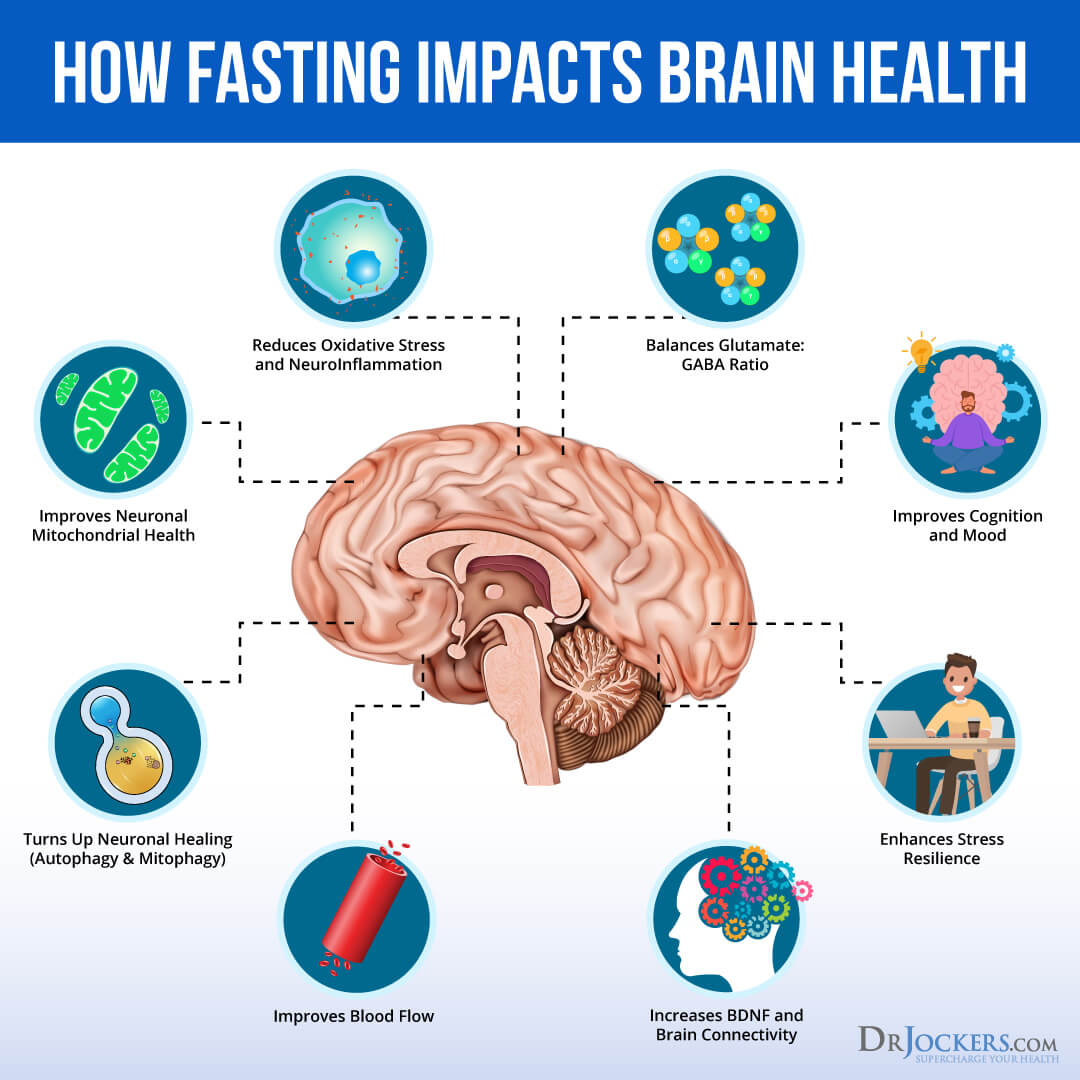
Similarly, the strategic use of caffeine is a cornerstone of cognitive optimization. The infographic below highlights the well-documented synergy between caffeine and L-theanine, an amino acid found in green tea, which enhances caffeine's positive effects on cognition while mitigating its anxiety-provoking side effects. This supports Principle 6.

To reinforce the specific protocols for timing, you can refer back to Dr. Huberman's "Daily Tools" video.
Maximize Productivity, Physical & Mental Health With Daily Tools | Huberman Lab Essentials
This video provides the specific protocols for caffeine timing and fasting that form Principle 5 and part of Principle 6 on our cheat sheet.
For a refresher, you can review the mechanism for delaying caffeine and the rationale for fasting to increase adrenaline and focus.
Applying Your Cheat Sheet
This cheat sheet is your strategic guide. It is the culmination of our exploration into nutritional neuroscience. Use it in a few key ways:
- As a Daily Reference: When planning meals or grocery shopping, a quick glance can help you make better choices.
- To Guide Your N-of-1 Experiment: This sheet represents the "theory." Your personal data will show you which principles have the largest effect size for you. You might find, for example, that blood glucose stabilization (Principle 1) is far more impactful for you than macronutrient timing (Principle 2).
- For Long-Term Maintenance: Once your initial experiment is over, this sheet serves as the blueprint for maintaining your optimized nutritional strategy. It helps prevent "cognitive drift"—the slow slide back into old habits.
Remember the concept of the "belief effect" discussed by Dr. Huberman. Understanding why these principles work—that omega-3s are building your neurons, that berries are protecting them, that timed carbohydrates are managing your neurotransmitters—can physiologically enhance the benefits of what you're eating.
Conclusion
You have now built a comprehensive, evidence-based toolkit for optimizing your cognitive nutrition. This cheat sheet is not a rigid diet plan but a flexible set of principles that empowers you to fuel your brain effectively in any situation.
Key Takeaways:
- Prioritize Patterns: Focus on holistic dietary patterns like the MIND diet, which leverage the synergy between whole foods.
- Master the Fundamentals: Stabilize blood glucose, provide essential building blocks (fats, proteins), and protect your brain with phytonutrients.
- Leverage Timing: Use strategic fasting and macronutrient timing to modulate your daily energy and focus.
- Use Compounds Wisely: Deploy tools like caffeine and L-theanine with intention and precision.
- Avoid the Detrimental: Consciously limit or eliminate "brainless foods" that promote inflammation and insulin resistance.
This concludes our module on nutrition. You've gone from understanding the theory to building a practical, personalized system.
In our next module, we will shift our focus from the fuel to the engine itself. We will explore Exercise for Cognitive Enhancement, examining how physical training, including your current powerlifting and walking routine, can be fine-tuned to directly build a stronger, faster, and more resilient brain.