Recommended resources
The freely available resources this lesson will direct you to.
Introduction
In our last lesson, we explored how the interplay of raga (melody) and laya (tempo) can sculpt a musical journey, guiding a listener from meditative stillness to ecstatic energy. We saw this in the context of instrumental music through the Alap-Jod-Jhala-Gat structure. Today, we bring this understanding into the heart of devotional practice by examining its application in vocal music, specifically the Jain stavan.
This lesson focuses on a core aspect of your goal: to understand how music is crafted to trigger bhakti bhav. We will move from general principles to a specific analysis, dissecting how a composer or tradition marries lyrical meaning with musical form. You will learn to analyze a selected Jain devotional song by breaking it down into its constituent parts: its prescribed raga, its rhythmic structure, and how these choices are designed to amplify the emotion and philosophy of its lyrics. Think of this as reverse-engineering a spiritual application, using the musical "source code" to understand its intended function.
The Soul of the Song: Aligning Bhava and Sahitya
For a devotional composition to be effective, its music and its words must speak the same emotional language. In Indian aesthetics, the overall feeling or emotional essence conveyed by a performance is called bhava. A masterful composition achieves a powerful resonance by aligning the emotion of the lyrics with the emotion of the music.
To understand this synergy, it's helpful to distinguish between different layers of bhava.
What is Bhava in Music? Explained | Meerakrishna V posted on the topic | LinkedIn
This article from LinkedIn provides a clear and concise breakdown of bhava and its role in music.
As you read the post, focus on understanding the three distinct types of bhava it outlines under the heading "Different Types of Bhava in Music." Pay attention to the definitions of: Raga Bhava: The intrinsic emotion associated with the raga's melodic structure. Sahitya Bhava: The emotion derived from the meaning of the lyrics (sahitya). Nada Bhava: The pure emotional power of sound itself. The key takeaway is that an effective stavan doesn't just set words to any tune. It carefully selects a raga whose innate bhava matches the sahitya bhava of the poem. Without this alignment, the performance can feel disconnected or emotionally incoherent. The Devotional Handbook: Jain Sangit Ragmala This deliberate matching of melody to meaning is not a new or haphazard idea. It is a cornerstone of traditional devotional music. There exist entire compendiums that act as guides, or "recipe books," for rendering devotional poetry. A prime example from the Jain tradition is the Jain Sangit Ragmala. This image depicts a Jain Tirthankara in meditation alongside a portrait of the 17th-century mystic poet Shri Anandghan-ji. His deeply philosophical stavans are a central part of the Jain devotional repertoire and are often the subject of musical compositions like those found in the Jain Sangit Ragmala. The Jain Sangit Ragmala is a fascinating document for someone with your interests, as it reveals the structured, almost algorithmic approach to applying classical music in a spiritual context.
Raga Bhava : The intrinsic emotion associated with the raga's melodic structure.Sahitya Bhava : The emotion derived from the meaning of the lyrics (sahitya).Nada Bhava : The pure emotional power of sound itself.
The key takeaway is that an effective stavan doesn't just set words to any tune. It carefully selects a raga whose innate bhava matches the sahitya bhava of the poem. Without this alignment, the performance can feel disconnected or emotionally incoherent.
The Devotional Handbook: Jain Sangit Ragmala
This deliberate matching of melody to meaning is not a new or haphazard idea. It is a cornerstone of traditional devotional music. There exist entire compendiums that act as guides, or "recipe books," for rendering devotional poetry. A prime example from the Jain tradition is the Jain Sangit Ragmala.
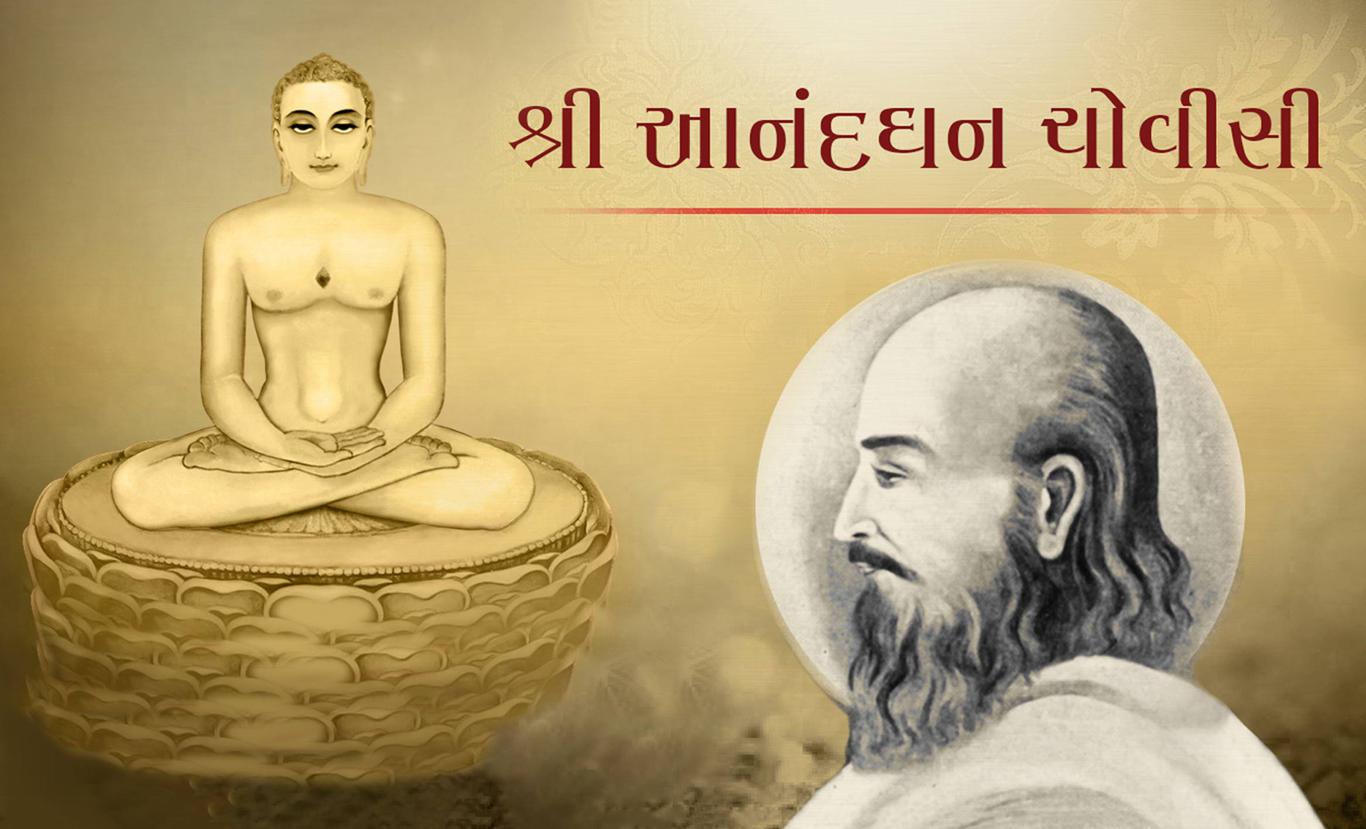
The Jain Sangit Ragmala is a fascinating document for someone with your interests, as it reveals the structured, almost algorithmic approach to applying classical music in a spiritual context.
Jain Sangit Ragmala - Book Summary | JainGPT - JainGPT
This summary describes a historical text that codifies the musical performance of Jain devotional songs. It perfectly illustrates the systematic approach we are discussing.
Please read the sections detailing the book's content. Focus on two key points: Under "Compilation of Stavan," notice the systematic way each piece is presented. It lists the Raga (Raag Naam) and the Tala (Taal Naam) for each devotional song. This is explicit evidence of a prescribed musical grammar. Read the final paragraph on the book's "Significance." It highlights how the text bridges the gap between classical music and Jain spirituality, making it accessible and structured.
This text demonstrates that for centuries, there has been a conscious effort to ensure that the Raga Bhava and Sahitya Bhava are in perfect harmony to produce the desired devotional state.
Case Study: Deconstructing a Stavan
Let's now apply this framework to a practical example. We'll analyze a hypothetical, but representative, stavan based on the work of the great mystic poet Shri Anandghan-ji. His poetry often expresses a deep, philosophical yearning for liberation.
Imagine a stavan with the following lyrical theme (sahitya):
"He Jin! Kab mohe tum jaisa banaoge? Yeh deh-pinjar todkar, kab nij-ghar mein basaoge?"
Translation: "Oh Jina! When will you make me like you? When will I break this cage of the body and dwell in my true home (the Self)?"
How would a composer approach setting this to music? Let's analyze the choices.
1. Lyrical Meaning (Sahitya Bhava)
The emotion here is not one of simple praise or celebration. It is a profound and poignant expression of viraha bhakti—devotion through longing and separation. The poet feels trapped in the "cage of the body" (deh-pinjar) and yearns for the state of liberation embodied by the Jina. The dominant feelings are supplication, introspection, and a deep desire for spiritual union.
2. Raga Choice (Raga Bhava)
To match this sahitya bhava, the composer needs a raga that carries a similar emotional weight. A bright, happy raga would clash with the lyrics. An excellent choice would be Raga Bhairavi.
- Why Bhairavi? Bhairavi is renowned for its capacity to evoke deep emotions of bhakti, compassion, and pathos. Its structure, which uses the flattened (komal) versions of four out of the seven notes (Re, Ga, Dha, Ni), gives it a character that is inherently pleading, gentle, and introspective. The komal notes create a sense of tenderness and vulnerability, perfectly aligning with the poet's heartfelt appeal.
3. Rhythmic Choice (Laya and Taal)
The rhythm provides the pulse and energy level of the composition.
- Laya (Tempo): The feeling of profound yearning calls for a slow or medium tempo.
- Vilambit Laya (Slow): A slow tempo would give the words space to resonate, allowing the listener to absorb the philosophical weight of each phrase. It encourages an introspective, meditative state.
- Madhya Laya (Medium): A medium tempo would give the song a gentle, flowing quality, like a steady stream of devotion.
- A drut laya (fast tempo) would be entirely inappropriate, as it would turn the deep longing into frenetic excitement, contradicting the sahitya bhava.
- Taal (Rhythmic Cycle): The choice of taal provides the rhythmic container. For a devotional piece like this, a simple and common cycle is often preferred.
- Dadra Taal (6 beats) or Keherwa Taal (8 beats) are very common choices. Their relatively short, symmetrical patterns provide a steady, unobtrusive foundation that supports the vocal melody without drawing excessive attention to itself. A slow Dadra (with its 3+3 beat pattern) would create a gentle, swaying feeling that complements the mood of supplication.
Synthesis:
By combining these elements, the composer crafts a unified emotional experience:
- Lyrics: State the spiritual plea for liberation.
- Raga Bhairavi: Colors the plea with an emotional atmosphere of deep, compassionate yearning.
- Slow/Medium Laya in Dadra Taal: Provides a steady, introspective pulse that allows the emotion to unfold naturally and powerfully.
The final piece is far more than words set to music. It's an integrated system where lyrics, melody, and rhythm work in concert to guide the listener's mind toward a specific state of bhakti bhav.
Practice: Become the Analyst
Now it's your turn to apply this framework. Your task is to find a Jain stavan online (YouTube is an excellent resource) and analyze it.
- Find a Stavan: Search for terms like "Jain Stavan," "Anandghan Stavan," or "Jain Bhakti Geet."
- Listen and Analyze: As you listen, try to answer the following questions in a journal:
- Overall Mood: First, just listen. What is the dominant emotion? Is it peaceful, celebratory, longing, solemn, or something else?
- Lyrical Theme: Find the lyrics if possible (often in the video description). What is the main message or prayer of the stavan? This is its sahitya bhava.
- Tempo (Laya): Is the song slow (vilambit), medium (madhya), or fast (drut)? Does the tempo change? How does this choice of speed contribute to the overall mood?
- Musical Color (Raga): The raga is often mentioned in the title or description (e.g., "Stavan in Raga Yaman"). If so, make a note of it. How does the raga's character (which you can research separately) match the lyrical theme?
- Synthesize: Write a short paragraph summarizing how the raga and rhythmic choices work together to enhance the meaning and emotional impact of the lyrics.
This exercise will transform you from a passive listener into an active analyst, giving you a direct, experiential understanding of the principles we've discussed today.
Conclusion
In this lesson, we have bridged the gap between abstract musical theory and concrete devotional practice. You have learned how to deconstruct a Jain stavan by analyzing the deliberate alignment of its core components.
Key Takeaways:
- Bhava is Key: Effective devotional music aligns Raga Bhava (the melody's emotion) with Sahitya Bhava (the lyric's emotion).
- A Structured Tradition: Texts like the Jain Sangit Ragmala show that the pairing of specific ragas and taals with devotional poems is a conscious, codified tradition.
- Analysis Framework: By examining the lyrical meaning, raga choice, and rhythmic structure (laya and taal), you can understand how a stavan is engineered to evoke a specific bhakti bhav.
- From Theory to Practice: The analysis of a composition reveals how the principles of raga, laya, and rasa are applied to create a powerful tool for spiritual expression.
We've now seen how music can be structured to support and amplify devotional feelings. To apply this power with even greater precision for spiritual progress, we must first clearly define the internal states we wish to transform. In our next lesson, we will lay this crucial foundation by delving into Jain philosophy to map the four primary kashayas (anger, pride, deceit, greed) to their distinct psychological and emotional signatures. Understanding the obstacle is the first step to overcoming it, and this will set the stage for exploring how music might serve as a potent antidote.