Recommended resources
The freely available resources this lesson will direct you to.
- Cottage Industry and Factory System in the Industrial Revolution - History Crunch Investigateswww.youtube.com
- The Industrial Revolution: Crash Course European History #24www.youtube.com
- The transatlantic slave trade overview - The transatlantic slave trade - KS3 History - homework help for year 7, 8 and 9. - BBC Bitesizewww.bbc.co.uk
- Revolution - BBC Teachwww.bbc.co.uk
Hello! This first module builds the vocabulary you will use throughout your history assessment. A definition is useful, but an exam answer also needs to show that you can recognise the term in a real historical situation. Today you will work through all ten key terms in the knowledge organiser, connecting them to political change, migration and industrial Britain. Allow about 35–40 minutes, including the short reading and video.
Change in society and government
A revolution is a major change in a society. Sometimes it involves the overthrow of a government, as in the French Revolution, which began in 1789. Sometimes the change is chiefly in how people live and work. Britain’s Industrial Revolution describes the enormous shift towards machines, factories and industrial towns. Despite its name, that shift took place over many decades; a revolution does not have to happen in a single day.
Democracy means rule by the people: the idea that political authority should come from the people rather than belong solely to a monarch or a small ruling group. The French Revolution raised questions about who should have political power. It is important not to treat revolution and democracy as synonyms, though. Overthrowing a ruler does not automatically give everyone a vote.
Read BBC Teach’s “Revolution” transcript to see why historians use the same word for political upheaval and industrial change.
On the page, find “Video Transcript.” Read the definition. Then continue from the paragraph beginning “The French Revolution began in 1789” through industrial change. Focus on what changes in each example: government in one case, production and daily life in the other.
Movement: who left, and did they have a choice?
Emigration means leaving one country to live in another. During the nineteenth-century Potato Famine, many people emigrated from Ireland; some went to Britain. The word tells you where the movement starts, but not by itself why people left or how much choice they had.
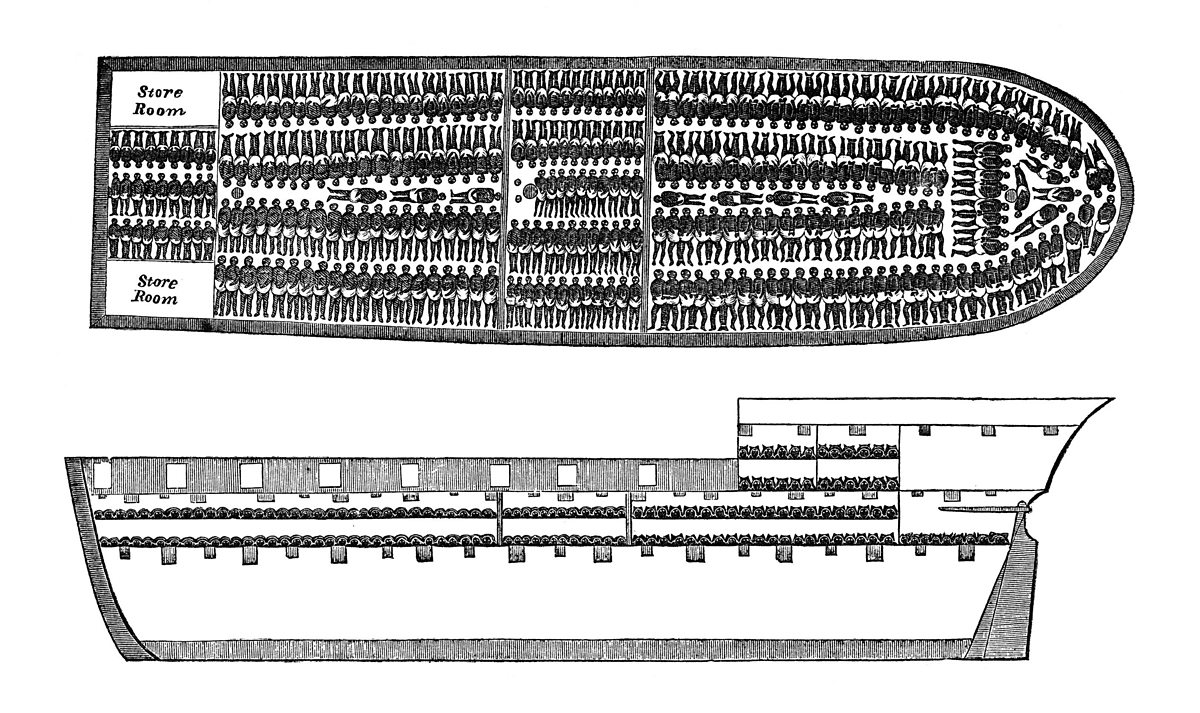
The transatlantic slave trade was the enslavement, trading and forced movement of African people across the Atlantic to the Americas. For example, traders forcibly transported enslaved Africans to work on plantations. Calling this simply “emigration” would hide the essential fact that people were enslaved and had no choice to make that journey.
The Middle Passage names one particular part of that trade: the Atlantic voyage on which enslaved Africans were taken from the African coast to the Americas. It is not a name for the entire transatlantic slave trade. The distinction is between the whole system and one journey within it.
Read this BBC Bitesize overview to fix the difference between the trade as a whole and the Middle Passage.
In “What was the transatlantic slave trade?”, read from the opening definition to the end of the first paragraph. Then, in “What was the ‘Triangular Trade’?”, read from the paragraph beginning “British enslavers sailed from ports” through the Middle Passage. Concentrate on which movement was forced and which stretch of the journey has the specific name.
From work at home to industrial Britain
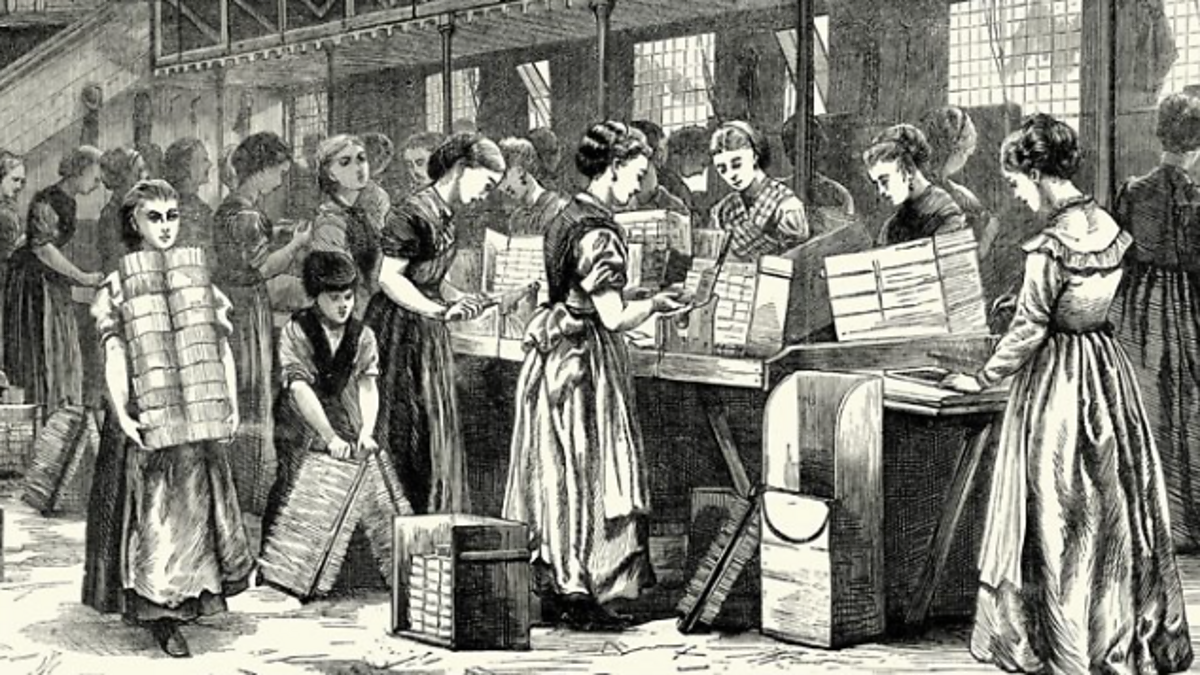
Before factories became widespread, many goods were made under the domestic system: people produced them in their homes rather than in factories. A worker spinning thread at home is an example. To industrialise is to develop industry through factories and machine-based production. When British cotton production shifted towards mechanised mills, it was industrialising.
A factory brought machinery and workers together in one place. Many of those workers belonged to the working class: people earning a living through manual labour, such as textile-mill workers or miners. The term describes how they earned their living, not every detail of their circumstances. Factory jobs could offer wages, but wages alone do not tell us whether working or living conditions were good.
Cottage Industry and Factory System in the Industrial Revolution - History Crunch Investigates
Watch History Crunch’s “Cottage Industry and Factory System in the Industrial Revolution” for a visual comparison of home production and factory production.
Watch home production for the domestic system, new machinery for industrialising, and factory towns for workers and urban growth. Focus on where work happened and how goods were produced. Where the video discusses early water-powered factories, think of waterwheels rather than modern hydroelectricity.
Factory work also involved children. A pauper apprentice, in the meaning used by your organiser, was an orphan sent to work in a factory in return for food and a bed. An orphan working in a textile mill under such an arrangement is a historical example. Not every child worker was a pauper apprentice: some children were sent to work by their parents.
Industrial towns grew as people moved towards work. In overcrowded areas with poor sanitation, cholera was a serious danger. Cholera is a disease spread mainly through contaminated water. An outbreak in a town where drinking water had become contaminated is therefore an example of cholera as an industrial-era public-health problem. Do not confuse its main route of transmission with the air pollution that factories also caused.
Making a term useful in an answer
A reliable pattern is to name the term, give a precise example, and explain why the example fits. For instance:
Britain industrialised as cotton production increasingly moved into mechanised mills: goods were being made using factory-based machinery rather than only through the domestic system.
That sentence does more than repeat a definition. It identifies a historical change and shows why industrialise is the right word. The same care prevents important mistakes: the Middle Passage was one voyage within the transatlantic slave trade; child labour was broader than pauper apprenticeship; and Ireland-to-Britain emigration must not be confused with the forced transportation of enslaved Africans.
Key takeaways
You can now attach each of the organiser’s ten terms to an example, while keeping close distinctions clear. In the next lesson, you will place broad historical periods and named Industrial Revolution events in chronological order. Knowing what these terms mean will make it easier to understand what changed—and when.