Hello! Welcome to the final lesson in our module on AI-Powered Content Generation.
In our last session, we focused on crafting compelling introductions that hook the reader and establish the book's promise. We learned that a great beginning is crucial for turning a browser into a reader. Now, we'll turn our attention to the equally important end of the book.
This lesson addresses the learning outcome: Write powerful conclusions that summarize key takeaways and provide a clear call to action. Just as the introduction makes a promise, the conclusion must deliver on it, leaving your reader feeling satisfied, inspired, and clear on what to do next. We'll explore the essential components of a strong conclusion and learn how to use AI to draft one effectively.
1. The Anatomy of a Powerful Conclusion
A book's conclusion is your final opportunity to connect with the reader and cement your message. It's more than just a summary; it's the part of the book that reinforces the transformation you promised in the introduction. A weak ending can undo all the hard work you've put into the preceding chapters.
To understand the key ingredients of an effective conclusion for your non-fiction work, let's explore a helpful article from BookBaby.
How to End a Nonfiction Book in 3 Ways
The article 'How to End a Nonfiction Book in 3 Ways' provides a clear and practical framework. It breaks down the essential functions of a final chapter, which we will use as the foundation for our AI prompts.
Please read the first three sections of the article, from the start down to the end of 'Planning the final chapter'. As you read, focus on identifying the answers to these three questions: Summary: How should you revisit your main ideas without simply repeating the introduction? Takeaway: What is the ultimate message or insight you want to leave with the reader? Action: What is a 'Call to Action' (CTA), and what makes one effective versus ineffective?
Based on the article and best practices, a powerful non-fiction conclusion accomplishes three main goals:
- Summarize and Synthesize: It recaps the core argument or journey of the book. The key is to synthesize, not just summarize. This means connecting the dots between chapters and showing how they build a cohesive whole. As the article notes, you should use fresh language and can incorporate details learned throughout the book to make the summary engaging.
- Deliver the Final Takeaway: This is the "so what?" of your book. What is the single most important insight you want your reader to remember? This should directly fulfill the "Promise" made in your introduction. For your tech mentoring book, the takeaway isn't just a list of skills; it's the profound mindset shift from being a builder to being a leader.
- Provide a Call to Action (CTA): This is where you move the reader from passive learning to active implementation. A strong CTA is specific, empowering, and directly related to the book's content. It's not a hard sales pitch.
- Good CTA: "This week, use the one-page project summary template from Chapter 4 in your next team meeting."
- Weak CTA: "Buy my next book!"
2. Prompting an AI to Write Your Conclusion
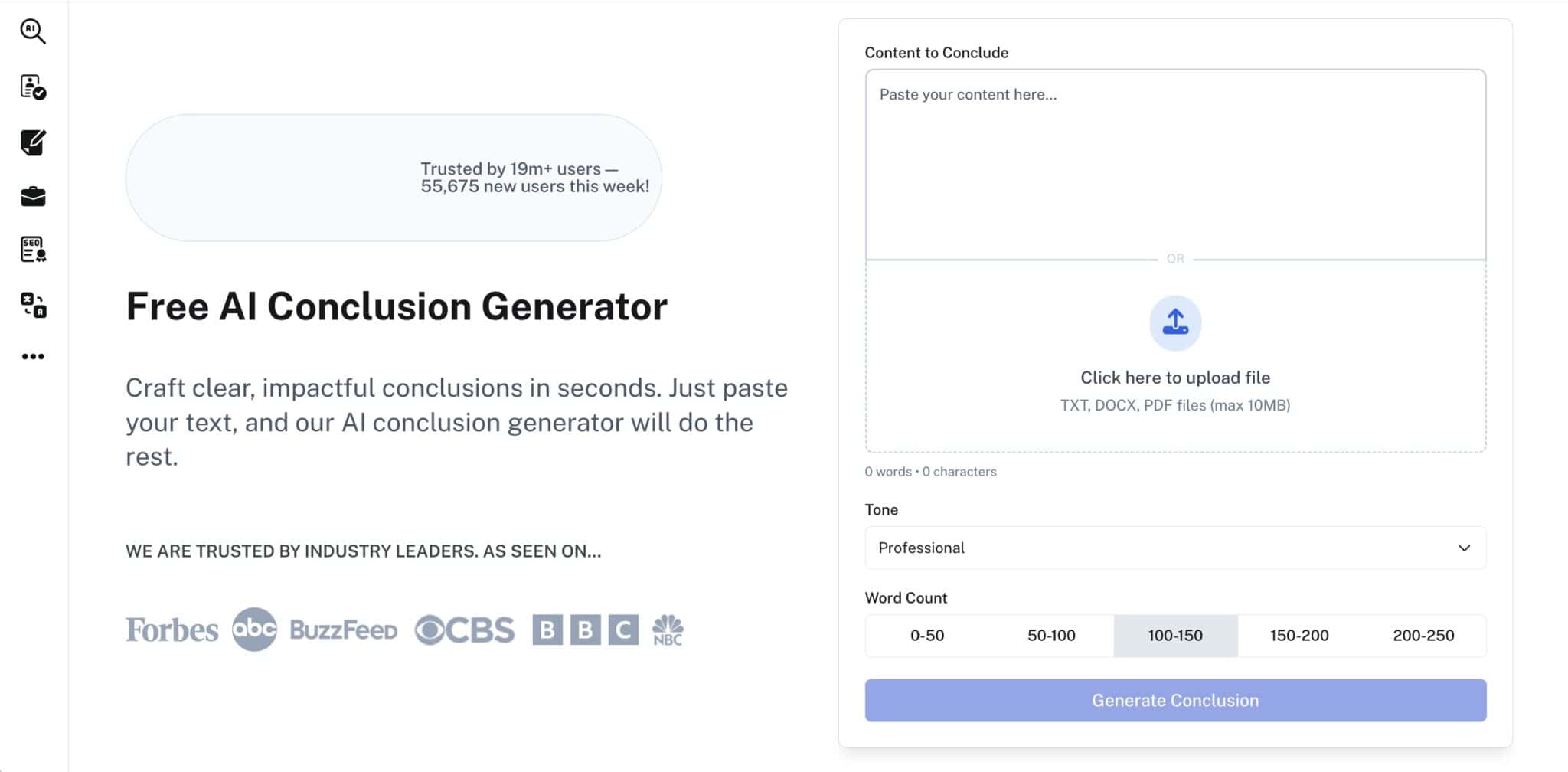
Now, let's translate this structure into instructions for an AI. While you can find specialized "conclusion generator" tools, they often produce generic summaries because they lack the full context of your book and your unique voice.
A more robust approach is to build on the "master prompt" framework we used in the last lesson. This allows you to guide the AI with the precision needed to create a conclusion that feels like a natural and powerful ending to your book.
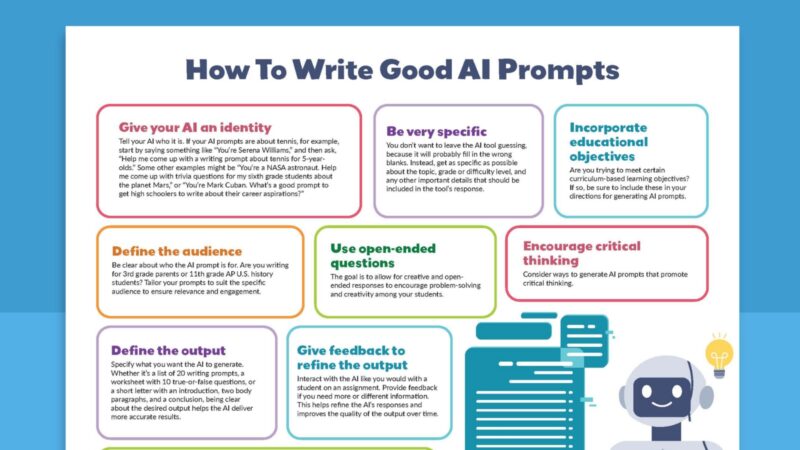
A Master Prompt for a Non-Fiction Conclusion
Let's continue with our example from the previous lesson: the book titled "The Senior Engineer's Leap: From Code to C-Suite." Having written the introduction, we can now craft a prompt for a conclusion that perfectly mirrors and resolves the opening.
Example Master Prompt for a Conclusion:
`ROLE: Act as an expert non-fiction author and mentor, writing the concluding chapter for a career development book.
CONTEXT: You are writing the conclusion for the book "The Senior Engineer's Leap: From Code to C-Suite." The book has guided senior software developers on a journey to acquire the mindset, business acumen, and leadership skills needed for executive roles. The introduction started by describing the frustration of hitting an "invisible wall" in their careers.
TASK: Write a 600-word conclusion that provides a powerful sense of closure, reinforces the book's core message, and inspires the reader to take immediate action.
FORMAT and STRUCTURE:
- SYNTHESIZE (approx. 200 words): Begin by acknowledging the journey the reader has taken. Briefly revisit the key shifts covered in the book: from thinking in code to thinking in strategy, from managing tasks to leading people, and from speaking tech to speaking the language of business. Connect these back to the initial "invisible wall" and show how these skills are the way to break through it.
- DELIVER THE TAKEAWAY (approx. 150 words): State the book's core message clearly: The leap to leadership is not about abandoning technical excellence, but about augmenting it with a new dimension of influence and strategic vision. Emphasize that this is an achievable transformation.
- CALL TO ACTION (approx. 150 words): Provide a clear, actionable, and non-salesy first step. For example: "Your first mission is simple: In your next one-on-one with your manager, stop talking about 'what' you built and start talking about 'why' it matters to the business. Use the 'Business Impact Framework' from Chapter 7 to guide you."
- INSPIRING CLOSE (approx. 100 words): End with a short, inspiring personal anecdote or a forward-looking statement. Remind them that their journey as a leader is just beginning.
TONE: Authoritative, empathetic, and highly motivational. Write as a mentor sending their protégé off on their next great challenge.`
This structured approach ensures the AI produces a conclusion that is not only well-written but also thematically resonant and practically useful for your reader.
Adapting for Other Genres
The principles of resolution and takeaway apply to your other interests as well, just in different forms:
- Children's Book: The conclusion provides emotional resolution. For our firefly, Leo, the conclusion would show him joyfully playing with his friends, no longer afraid of the dark because he's learned his own light is all he needs. The "takeaway" is the feeling of bravery and self-acceptance.
- Comic Book: The final pages resolve the immediate story arc. The "CTA" might be a teaser for the next issue—a cliffhanger panel showing a new villain or a lingering mystery.
Test your understanding!
In the last lesson, you designed a prompt for the introduction of a children's book about "Leo the Lighthouse," a shy firefly afraid of the dark.
Now, write a "master prompt" for an AI to generate the conclusion for this book (the last 1-2 pages). Your prompt should focus on providing a satisfying emotional resolution and reinforcing the story's theme.
Show answer
Here is a strong example of a prompt for a narrative conclusion:
`ROLE: Act as a beloved children's book author, expert at writing warm and reassuring endings that leave young readers feeling happy and confident.
CONTEXT: You are writing the final pages for the picture book "Leo the Lighthouse." The story was about Leo, a firefly who was afraid of the dark. Over the course of the story, he learned that his own light could make the darkness beautiful and not scary.
TASK: Write the text for the final two pages of the book (approx. 100 words total). Your goal is to show Leo's transformation and provide a gentle, heartwarming conclusion that reinforces the book's theme.
FORMAT and STRUCTURE:
- Page 1 (The Resolution): Show, don't just tell, Leo's new confidence. Describe him soaring high in the night sky, his light shining brighter than ever before. Show him leading the other fireflies in a new game, "painting pictures in the dark."
- Page 2 (The Final Takeaway/Theme): End with a simple, lyrical sentence that summarizes the moral of the story. For example: "Leo the Lighthouse loved the dark now, because he knew that's where his light was needed most. And it was the most beautiful light of all."
TONE: Gentle, magical, and comforting. Use simple, rhythmic language perfect for reading aloud at bedtime.`
Conclusion
You've now completed the entire arc of AI-powered content generation, from crafting a compelling hook in the introduction to providing a satisfying and actionable conclusion. A powerful ending solidifies your book's value and is the final, crucial step in creating a memorable experience for your reader.
Key Takeaways:
- A powerful non-fiction conclusion has three core components: it summarizes and synthesizes key ideas, delivers a clear final takeaway, and provides an actionable Call to Action (CTA).
- For narrative genres like children's books, the conclusion focuses on emotional resolution and reinforcing the central theme.
- Using a detailed, structured prompt is far more effective for generating a book conclusion than using a simple one-click generator tool.
- Your conclusion prompt should mirror the themes from your introduction to create a cohesive and satisfying reading experience.
Preview of the Next Module:
With our exploration of generating text now complete, we're ready to add another dimension to your books: visuals. In our next module, "Visual Storytelling with AI," we'll start by learning how to write effective text-to-image prompts to create stunning illustrations for your children's books, comics, and even cover art.