Recommended resources
The freely available resources this lesson will direct you to.
Hello again. Last lesson set a workable boundary for a first zero-budget, phone-first film: a short runtime, few shots, limited characters and settings, and a tested route to a finished file. Those limits tell you what you can make. A creative brief adds what you are trying to make the audience experience—and gives you a way to judge whether the finished film succeeds.
In this lesson, you’ll define five things for a first micro-short: audience, intended emotion, theme, format, and success criteria. Allow about 35–40 minutes for the short viewing and reading selections and for thinking through how the example brief makes decisions. You do not need to choose an AI tool or write a screenplay yet.
A brief is a decision tool, not a miniature screenplay
A creative brief is a compact statement of intent. It should help you decide whether a new idea belongs in the film. If an AI system produces a beautiful shot that does nothing for the intended audience or feeling, the brief gives you a reason to leave it out.
Watch how How to Write a Powerful CREATIVE BRIEF (GUIDE), from HubSpot Marketing, organizes a project around its objective, audience, message, and deliverable. Its example is a marketing project; keep the planning structure, not the assumption that your film must sell something.
How to Write a Powerful CREATIVE BRIEF (GUIDE)
HubSpot Marketing’s How to Write a Powerful CREATIVE BRIEF (GUIDE) shows how a short brief can guide choices from an initial idea to a finished deliverable.
Watch the definition for the brief’s purpose. Then watch the core fields, concentrating on objective, audience, central message, and deliverable. Finish with the writing tips: notice why specificity and flexibility matter more than filling a long document.
For a solo film, the brief does not need client contacts, approval lists, or a campaign plan. It needs enough information to settle creative disagreements you might have with yourself: Is the film meant to feel unsettling or consoling? Must viewers understand exactly who is missing, or only that an empty chair matters? Is a moving shot necessary, or can a still image carry the moment?
The brief comes before detailed story development. You can name a tentative situation, but you do not have to solve every plot beat here. Its job is to give your later story, image, sound, and editing choices a common direction.
Specify a viewer and a feeling
“Everyone” is too broad an audience to guide a 40-second film. You need not invent precise demographics, either. Describe a viewing situation and a reason this person might care: for example, people watching short, quiet stories on a phone who are willing to infer meaning from a gesture rather than dialogue. That description tells you something useful. The opening image must be legible on a small screen, and the gesture must carry enough information to reward attention.
Next, distinguish the feeling you intend from the techniques you might use to seek it. “Sad piano music” is a possible technique; “a quiet ache that becomes tentative warmth” is an emotional intention. The latter leaves room to discover whether silence, sound, duration, or a character’s action serves it best.
StudioBinder’s Mood vs. Tone vs. Atmosphere — The Backbone of Any Film provides a useful distinction. It describes tone as the filmmaker’s attitude toward the material, atmosphere as its sensory world, and mood as the audience’s emotional experience. You can choose your tone and design the atmosphere; you can only aim for an audience response.
Mood vs. Tone vs. Atmosphere — The Backbone of Any Film
StudioBinder’s Mood vs. Tone vs. Atmosphere — The Backbone of Any Film helps separate the emotion you want viewers to feel from the creative choices you control.
Watch the distinction among tone, atmosphere, and mood. Then skip to viewer response, where the video connects the intended feeling to story and cinematic choices. As you watch, consider why a brief should say “aim for tenderness” rather than promise “every viewer will feel tenderness.”
Consider the empty-chair idea from the previous lesson. A person brings a second cup to a table beside an empty chair, hesitates, and leaves it there. An earnest, compassionate tone asks us to take the gesture seriously. A restrained setting and a pause before the cup is set down might support a movement from loneliness toward hope. Bright comic music could instead suggest a joke. Neither choice is inherently wrong—but they do not make the same film.
Give the film a theme without writing its moral
The plot situation is what happens: someone places a second cup by an empty chair. The theme is the idea the film explores through that action: perhaps making space for someone is an act of hope, even when they are absent. The intended emotion is what you hope the audience feels while encountering it. These three descriptions answer different questions, so try not to substitute one for another.
StudioBinder’s article The Best Creative Brief Template For Video Creatives discusses the central message of a video brief. Read its short passage about a message that may be expressed through scenes rather than stated outright. Although the article uses advertising examples, that principle is useful for fiction.
The Best Creative Brief Template For Video Creatives [Free Template]
Read StudioBinder’s discussion of a clear message to see how a central idea can guide a video without becoming a line of dialogue.
In “5. Have a clear message,” start at the sentence about a brief having a powerful message. Read the message passage through the point about scenes revolving around a loose theme. Focus on the difference between knowing what the film is about and having a character announce it.
A theme is most useful in a brief when it helps you choose between alternatives. If the empty-chair film explores hope in the presence of absence, the cup must feel like a meaningful choice, not an incidental object. Yet you need not add a caption saying “Never lose hope.” The viewer can discover an idea in the action. Later lessons will develop theme and story structure more fully; for now, one provisional sentence is enough.
Define the deliverable, then decide what “works” means
Format makes the intention producible. For a first micro-short, record the target duration and screen orientation, what sort of piece you are making, and any production limits that must shape it. “A cinematic AI film” is not a format. “A 30–45-second vertical fiction film assembled on a phone from AI-generated images or short clips, with simple sound and no required dialogue” is much closer.
Success criteria should test both storytelling and completion. Views, likes, and viral reach depend on distribution and luck; they are poor tests of whether your first film communicates. Instead, identify something observable after a screening. You might show the finished film to two or three people without first explaining it, then ask what changed in the scene and how the ending felt. Their answers will not be a scientific verdict, but they can reveal whether the essential moment reads.
The general template pictured below has fields for audience, message, style, deliverables, schedule, and budget. A solo micro-short needs a much smaller version: keep the fields that change your decisions and omit the client-administration fields.
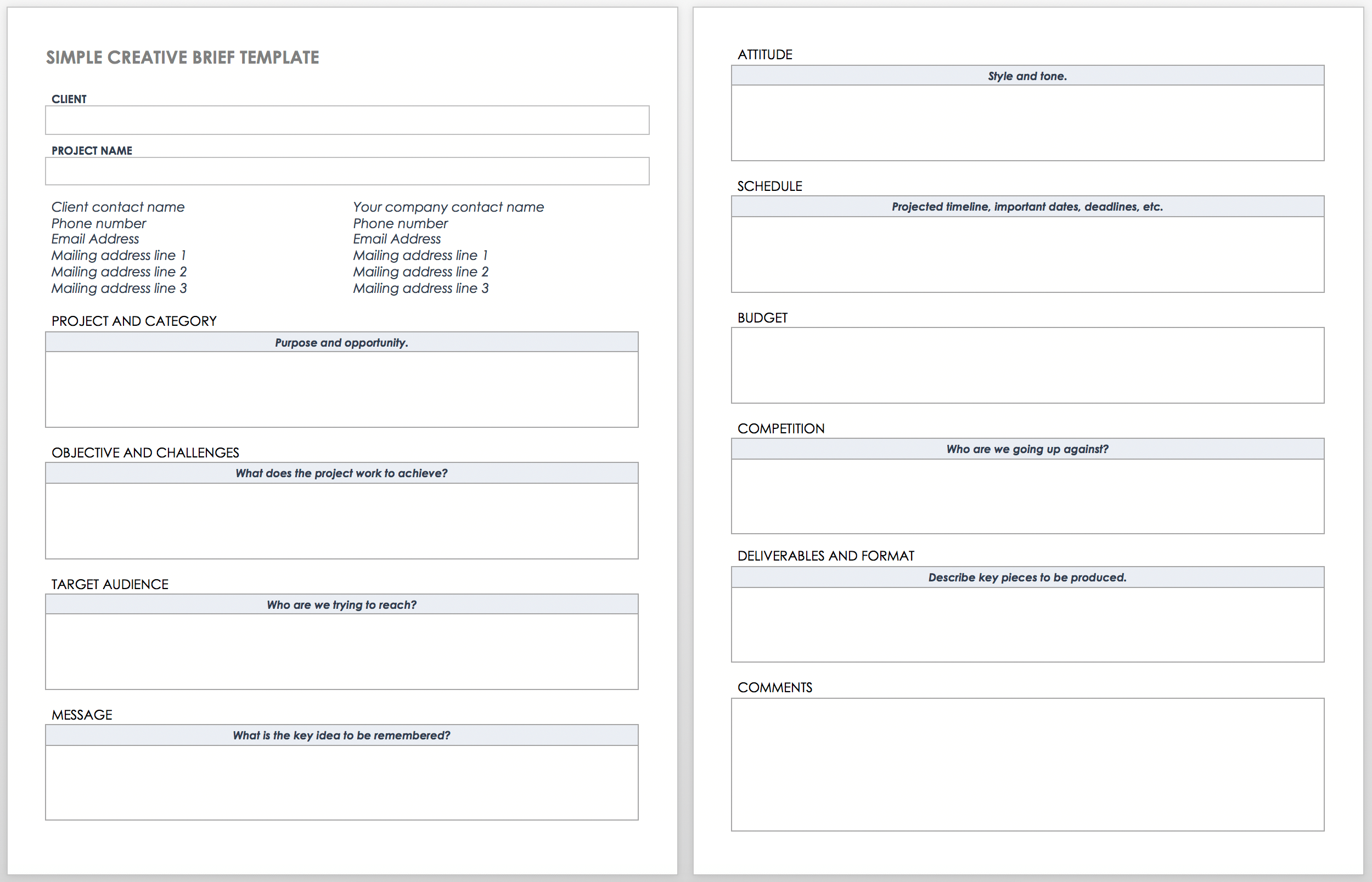
Here is a complete first-film brief based on the empty-chair example:
Audience: People viewing quiet, dialogue-light shorts on a phone who are open to interpreting a small human gesture.
Intended emotion: Begin with loneliness; end with tentative warmth rather than certainty.
Theme: Making space for someone can be an act of hope in their absence.
Format: One 30–45-second vertical fiction film, made with AI-generated visuals and simple sound, edited and exported on a phone. One room, one visible character, two essential props, at most five planned shots, no required dialogue, and no cash expenditure. Stills are an acceptable fallback if moving clips are not usable.
Success criteria: A complete file plays properly on the phone and stays within those limits. In a small, unprompted screening, viewers notice that leaving the second cup is a choice, and at least some describe an emotional shift toward openness or hope. They need not agree on the absent person’s backstory.
Notice what the criteria do not require. The film need not make every viewer feel the same thing, and ambiguity about who belongs in the empty chair can remain. But if viewers cannot tell that placing the cup is a decision, the film may have hidden the very action its theme depends on. That is actionable feedback.
For your own brief, the same five fields can fit on one phone screen. Keep each one specific enough to reject an attractive but irrelevant generation, and flexible enough that you can change how a moment is shown when a particular shot proves impractical. A brief protects the film’s intention; it should not trap you in an unworkable technique.
Conclusion
A concise creative brief states who the film is for, what emotional change it aims to create, what idea its action explores, what you will deliver, and how you will check whether it works. For an AI-generated first film, it also helps keep technical novelty subordinate to a watchable, meaningful result.
This completes the foundations module. Next, you’ll begin turning an observation, question, image, or emotion into a film premise—using the brief as a guide without mistaking it for a finished story.