Hello! Welcome to the fifth lesson in our module on AI-Powered Content Generation.
In our last lesson, we focused on making non-fiction content credible and authoritative by incorporating your personal anecdotes, real-world examples, and case studies. You learned how to use your 10 years of IT experience to transform a generic AI draft into a unique and valuable piece of work.
Today, we're shifting from non-fiction to narrative writing. We will explore how to create believable and compelling conversations for your characters. The learning outcome for this lesson is to generate engaging and age-appropriate dialogue for characters in stories and comics. This skill is fundamental for the children's books and comics you're interested in creating.
1. The Principles of Great Dialogue
Before we ask an AI to write dialogue, we need to understand what makes it effective. Good dialogue is more than just characters talking; it's a multi-purpose tool that drives the story forward. It should reveal character, create tension, provide information (without being boring), and establish the tone of your story.
To understand these core concepts, we'll consult a guide on scriptwriting.
Scriptwriting Prompt Guide - DigitalCommons@Collin
The 'Scriptwriting Prompt Guide' from Collin College provides a superb overview of the principles of writing effective dialogue. Understanding these fundamentals will allow you to write much more effective prompts for your AI.
Please read the section titled 'Principles of Writing Effective Dialogue,' which begins on page 28 of the PDF. Focus on these key ideas: Character Voice: How each character should sound unique. Subtext: The unspoken meaning behind the words. Economy of Words: Why every line should have a purpose. Conflict and Tension: How dialogue can create drama and intrigue.
As you read, think of dialogue as a strategic element, not just filler. Every word should serve the story. The AI is a powerful tool, but it needs your direction to apply these principles effectively. For example, you can't just ask for "good dialogue." You need to prompt for dialogue that reveals a character's impatience through short, clipped sentences, or shows hidden resentment through subtext.
2. Generating Dialogue for Children's Books
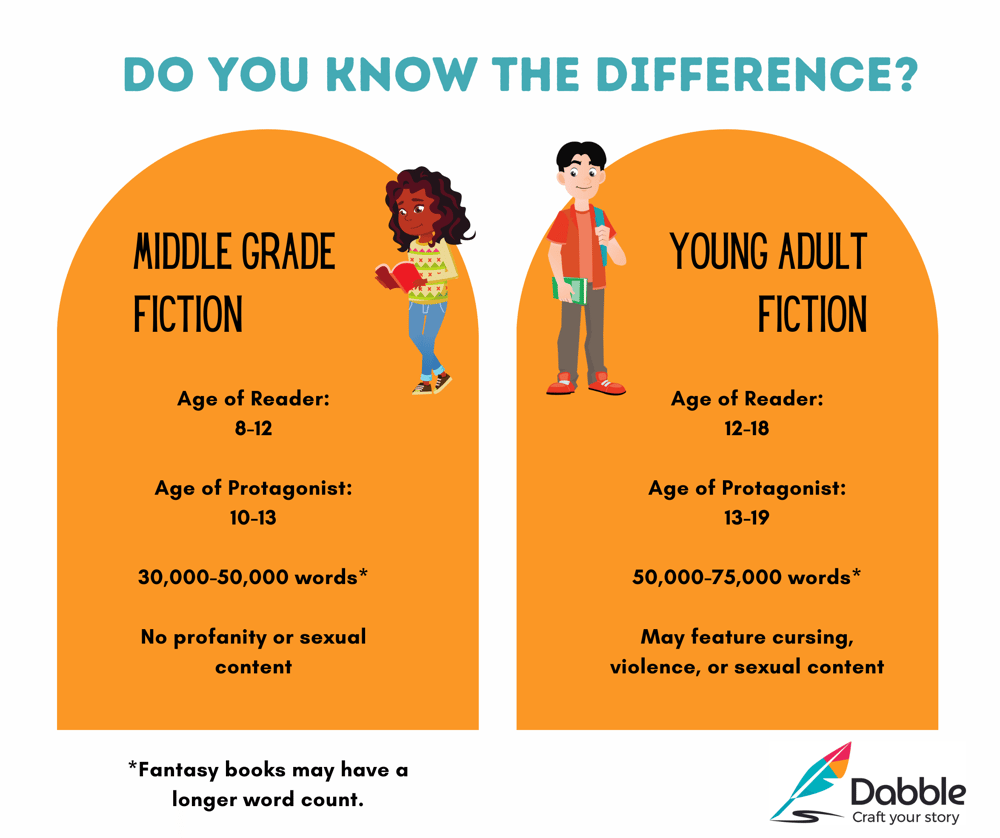
Writing for children requires a special focus on age-appropriateness. The vocabulary, sentence length, and concepts must match the cognitive level of the target audience. A book for a 3-year-old will have vastly different dialogue than one for a 10-year-old.
Let's watch how to apply these ideas in practice when prompting an AI.
Write a Children's Book in 10 Minutes With ChatGPT (My Full Process)
This video from The Nerdy Novelist provides a fantastic step-by-step process for creating a children's book with ChatGPT, with a strong focus on generating age-appropriate content.
Please watch the following clips: Setting the Stage (02:38 - 05:00): Notice how the prompt begins by explicitly defining the role for the AI ('world-class children's book author') and the exact target age range ('ages two to four'). Prompting for Text (12:53 - 16:03): Pay close attention to how the prompt reinforces the age group and adds a crucial constraint: 'each page should have only one to two lines.' This directly controls the simplicity and pacing. Refining the Output (16:03 - 18:22): Observe the iterative process. When the AI produces rhyming text that isn't wanted, the creator simply says 'try again and don't rhyme.' Then, the creator continues to generate text for the next part of the story, showing how to build the narrative piece by piece.
The key takeaways from this process are:
- Be Explicit About Age: Always start your prompt by stating the target age range.
- Set Constraints: Use rules like "one to two lines per page" or "use simple vocabulary for a 4-year-old" to guide the AI.
- Iterate and Refine: Don't accept the first output. If it's not right, tell the AI what to change (e.g., "make the dialogue simpler," "don't rhyme," "add more emotion").
Here is a simple prompt template you can adapt, based on another helpful resource.
28 ChatGPT Prompts for Children's Books (Stirring ...
The blog 'Stirring Your Fictions' provides a set of ready-to-use prompts. This one is perfect for generating a simple, character-driven dialogue.
Read the section 'Develop dialogues suitable for children' and examine the example prompt. This shows how to frame a scenario and ask the AI to write the dialogue for it.
The prompt structure is: Act as a children's book author and develop a dialogue between [Character 1] and [Character 2]... The dialogue should reflect a situation where [describe the scene and the character's goal].
3. Generating Dialogue for Comics
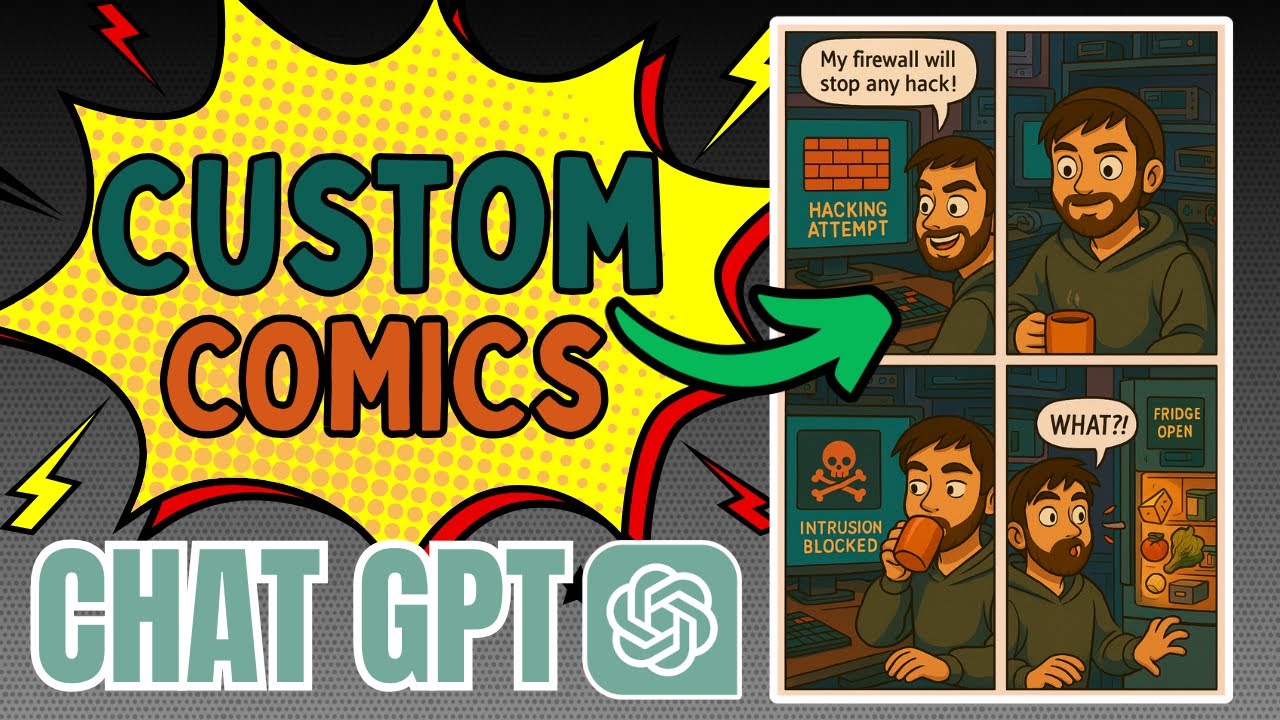
Dialogue in comics is a unique challenge. It must be concise enough to fit into speech bubbles and must work in harmony with the visual storytelling in each panel. It needs to convey character and advance the plot quickly.
Let's see how this is done in practice.
How to Make a Professional Comic Book with AI (Step by Step)
The video 'How to Make a Professional Comic Book with AI' from Tao Prompts walks through the entire workflow, starting with generating the script itself.
Please watch these two sections: Generating the Script (02:14 - 03:35): See how the initial prompt sets up the world and characters, and the follow-up prompt asks for a script broken down by pages and panels, including dialogue. The Final Comic (16:29 - 19:50): Watch the finished comic. Pay attention to how the dialogue is short, punchy, and works with the action in each panel. Notice the use of humor and tension, which we discussed earlier.
To create impactful comic dialogue, you can leverage the more advanced prompting techniques from the scriptwriting guide. Since you have a background in IT, you can think of this as a logical, step-by-step process for building a scene with specific emotional goals.
Scriptwriting Prompt Guide - DigitalCommons@Collin
Let's return to the 'Scriptwriting Prompt Guide' to find prompts specifically designed to create tension and subtext, which are perfect for dramatic or witty comic book scenes.
Quickly review these two sections: 'Ready-to-Use Dialogue Prompts' (starts on page 38): Look at the prompts for 'Explore Hidden Emotions,' 'Write an Argument with Layers,' and 'Use Dialogue to Build Suspense.' These are excellent for creating rich character interactions in a comic. 'Creating Tension in Dialogue' (page 57): This is a 'Chain of Thought' prompt. It breaks down the process of creating a tense scene into logical steps. This structured approach is very powerful for guiding the AI.
The "Chain of Thought" prompt for creating tension is particularly effective. It instructs the AI to:
- Establish what each character wants.
- Give them conflicting goals.
- Introduce subtext (hidden feelings).
- Escalate the stakes.
By following this logical sequence, you can guide the AI to generate a scene with genuine dramatic tension, perfect for a comic book narrative.
Test your understanding!
You are creating a comic about a veteran space marine (Jax) and a rookie pilot (Lena) who are stranded on a desert planet. You want to write a short dialogue for a single panel where they are looking at their broken-down ship. Your goal is to show Jax's cynicism and Lena's fading optimism.
Using the principles we've discussed, write a prompt for an AI to generate this dialogue.
Show answer
Here is a strong example prompt:
`Act as a comic book writer. Write a brief dialogue for a single panel between two characters: Jax, a cynical and tired veteran space marine, and Lena, a young, optimistic rookie pilot.
Context: They are stranded on a desert planet, looking at their heavily damaged spaceship.
Goal: The dialogue should be concise and fit in speech bubbles. It must reveal Jax's feeling of hopelessness and Lena's struggle to remain positive.
Example of what to aim for:
Lena: "We can fix it, right? A few patches and..."
Jax: "Fix it? Kid, we'd have better luck patching the holes in this rock with sand."`
This prompt clearly defines the characters' personalities, the context of the scene, and the specific emotional dynamic you want the dialogue to convey.
Conclusion
In this lesson, you've learned that generating effective dialogue with AI is an act of careful direction. Whether for a simple children's story or a dramatic comic book, your prompts must guide the AI with clear constraints and goals.
Key Takeaways:
- Dialogue Has a Purpose: Every line should reveal character, advance the plot, or create a specific tone.
- Define Your Audience: For children's books, explicitly state the target age and set constraints on vocabulary and sentence length.
- Be Concise for Comics: Comic dialogue must be punchy and work with the visuals. Use prompts that build tension and character dynamics quickly.
- Use Structured Prompts: Employ techniques like the "Chain of Thought" prompt to break down a scene into logical steps, giving the AI a clear path to follow.
- Iterate Relentlessly: Your first AI-generated dialogue is a draft. Refine it by asking the AI to make it funnier, more tense, simpler, or more reflective of a specific character's voice.
Preview of the Next Lesson:
A character's dialogue is a direct reflection of who they are. To write truly great dialogue, we first need to have a clear picture of our characters. In our next lesson, we will learn how to develop vivid and consistent character descriptions using AI, which will serve as the foundation for their voices and actions.