Hello! Welcome to our third lesson in the "Legal and Ethical Foundations" module.
In our last lesson, we focused on platform policies, particularly how Amazon KDP and Apple Books require you to disclose the use of AI in your work. We established that being transparent with these platforms is a prerequisite for selling your books.
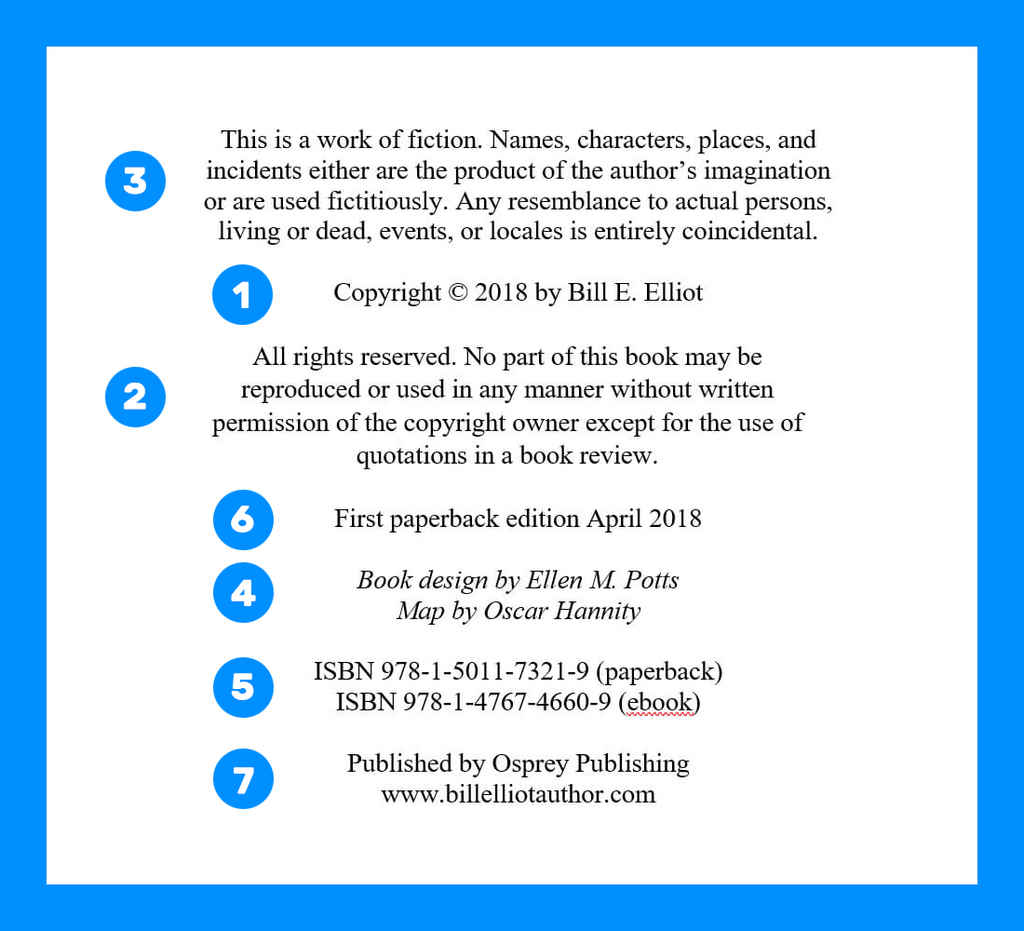
Today, we move from platform compliance to fundamental legal protection. Disclosure alone doesn't protect your work from being copied. This lesson addresses one of your core concerns: how to secure your intellectual property. We will focus on the learning outcome: Describe methods for protecting your intellectual property in published works, including copyright registration.
We will cover:
- The difference between inherent copyright and registered copyright.
- What parts of an AI-assisted book can actually be protected under U.S. law.
- A step-by-step guide on how to register your work with the U.S. Copyright Office, including the crucial step of disclaiming AI-generated content.
Properly protecting your work is the bedrock of turning your books into valuable assets for generating passive income. Let's ensure that foundation is solid.
1. What is Copyright, and Why Should You Register It?
You might have heard that your work is copyrighted the moment you write it. While technically true, this "inherent" copyright offers very limited protection. To have real legal power, you need to officially register your copyright.
To start, let's clarify what copyright is and debunk a common myth.
How to Copyright Your Book (step-by-step tutorial) + Answering YOUR Copyright Questions
The video "How to Copyright Your Book" from Abbie Emmons provides a clear, concise introduction to the concept of copyright.
Please watch from 00:53 to 03:25. The host defines copyright, explains its importance, and dispels the myth of the 'poor man's copyright' (mailing a copy to yourself).
As you just saw, simply creating the work isn't enough to effectively defend it in court. Registration is what gives your copyright teeth. Let's dive deeper into why this is so important.
How to Copyright a Book in 7 Simple Steps [Updated 2026]
This article from Reedsy, "How to Copyright a Book in 7 Simple Steps," further explains the benefits of registration.
Please read the section titled "What authors must know about copyright," focusing on the subheading "Why is it important to copyright a book then?"
The key takeaway is that registration provides statutory protection. This entitles you to claim statutory damages (up to $150,000 per infringement) and attorney's fees. Without registration, you'd have to prove actual financial losses, which can be incredibly difficult for a new author. Think of copyright registration as insurance for your intellectual property.
It's also important to remember what copyright protects: the expression of an idea, not the idea itself. Your unique wording, plot details, and character development are copyrightable. The general idea—like a tech startup mentorship book—is not.
2. The AI Complication: What Can You Actually Copyright?
This is where your unique workflow comes into play. Since you're using AI, the question is no longer "Should I copyright my book?" but rather, "What parts of my book can I legally claim as my own?"
The U.S. Copyright Office is very clear on this. Let's look at their official guidance.
Works Containing Material Generated by Artificial Intelligence
This is the official policy guidance from the U.S. Copyright Office. It's the definitive source on how they handle AI-generated material.
Please read the following two sections from this PDF document: Section II. The Human Authorship Requirement: This establishes the legal basis for why only human-created work is copyrightable. Section III. The Office’s Application of the Human Authorship Requirement: This part is crucial. It explains how the office evaluates works that mix human and AI contributions. Focus on the distinction it makes between AI as a simple tool (like Photoshop) and AI as the generator of expressive content.
The guidance is dense, so let's distill it with the help of a legal expert who explains these concepts with practical examples.
How To Copyright AI (Step By Step Guide) | Lawyer Explains
The video "How To Copyright AI (Step By Step Guide)" by a copyright attorney breaks down the official guidance you just read.
Watch from the beginning to 08:13. The speaker synthesizes the Copyright Office's position and uses visual examples (like the cyborg woman drawing) to illustrate what constitutes sufficient human contribution to make a work registrable.
Here's the critical synthesis of these resources:
- No Human, No Copyright: Only works created by a human can be copyrighted. You cannot copyright the raw output of an AI model like ChatGPT or Midjourney.
- Your Contribution is Key: You can copyright your own creative contributions to the work. This includes:
- The original text you write yourself.
- Significant modifications and revisions you make to AI-generated text.
- The creative selection, coordination, and arrangement of AI-generated content alongside your own.
For your books, this means you can't claim ownership of the first draft that ChatGPT writes. However, you can claim ownership of the final chapter that you've heavily edited, rewritten, and infused with your personal expertise and anecdotes from your IT career. You are copyrighting the human authorship layered on top of the AI's output.
Test your understanding!
You are writing a children's book. You use AI to generate five different short stories based on a prompt. You then select the best two, combine their plot points, rewrite the dialogue entirely in your own simpler language, and add a new ending you came up with yourself. What elements of the final story can you claim copyright over?
Show answer
You can claim copyright on the final, derivative work. Specifically, your claim covers the creative selection and combination of the stories, the rewritten dialogue, and the original ending you wrote. You cannot claim copyright on the five initial, unedited stories generated by the AI. Your copyright protects the authorship you applied to transform the raw AI material into a new, coherent story.
3. How to Register Your Copyright (with AI Disclosure)
Now for the practical steps. The process involves filling out an online application, paying a fee, and submitting a copy of your work. Since your work will contain AI-generated elements, there is a crucial extra step: you must inform the Copyright Office what parts were made by AI.
This process has two main phases: the standard application and the AI disclosure.
Phase 1: The Standard Registration Process
First, let's walk through the standard process for registering a literary work. The video below provides an excellent screen-by-screen guide.
How to Copyright Your Book (step-by-step tutorial) + Answering YOUR Copyright Questions
Let's return to Abbie Emmons' tutorial. This time, she provides a detailed walkthrough of the U.S. Copyright Office website.
Watch from 07:13 to 15:46. This segment shows the entire registration process for a standard book, from creating an account to paying the fee and uploading the manuscript. Follow along to familiarize yourself with the interface.

Phase 2: The Crucial AI Disclosure Step
The standard walkthrough doesn't cover our special case: disclosing AI. Failing to do so can lead to your registration being canceled.
The U.S. Copyright Office guidance (LINK, section IV) you read earlier explains that you must use the "Limitation of the Claim" section of the application to exclude AI-generated material.
Let's watch a lawyer demonstrate exactly how to do this.
How To Copyright AI (Step By Step Guide) | Lawyer Explains
The attorney in "How To Copyright AI (Step By Step Guide)" now shows the specific fields to fill out in the copyright application to properly disclaim AI content.
Watch the segment from 19:00 to 20:38. Pay close attention to how the speaker uses the "Limitation of Claim" section. He shows what to write in the "Material Excluded" field and the "New Material Added" field.
Let's consolidate this into a clear action plan for you:
- Navigate to copyright.gov and start a "Standard Application" for a "Literary Work."
- Fill out the application with your author and book details as shown in the Abbie Emmons video.
- Arrive at the "Limitation of Claim" page. This is where you disclose the AI.
- Under the "Material Excluded" heading, find the "Other" field. Here, you will briefly describe the material you did not create. For example: "AI-generated text" or "AI-generated text and images."
- Under the "New Material Added" heading, find the "Other" field. Here, you will describe your human contribution. For example: "Human-authored text, and selection, coordination, and arrangement of AI-generated text." or "Text, editing, and revision of AI-generated material."
- Complete the process by paying the fee (currently $65 for a standard application) and uploading the "best edition" of your final manuscript.
Conclusion
Protecting your intellectual property is not just a legal formality; it's a critical business practice for achieving your goal of building a passive income stream from your books. By registering your copyright, you create a legally defensible asset.
Key Takeaways:
- Copyright automatically exists upon creation, but official registration is essential for statutory protection and the ability to sue for meaningful damages.
- For AI-assisted works, you can only copyright your human authorship—your original writing, creative editing, and unique arrangement of content.
- When registering, you have a duty to disclose and disclaim the AI-generated portions of your work in the "Limitation of Claim" section of the application.
- Failing to properly disclose AI usage can result in the cancellation of your copyright registration.
Preview of the Next Lesson:
We have now covered how to protect your own work and how to comply with platform rules. The final piece of this legal puzzle is ensuring you don't misuse the work of others. In our next lesson, we will develop a process to avoid plagiarism and ensure proper attribution when using AI tools for research.