Hello! Welcome to your next lesson.
In our last session, we delved into the symbolic language of color and symbols in Tanzania and Kenya. We learned that these visual elements are not just decorative but carry deep cultural meanings related to national pride, heritage, and values.
Today, we'll build on that foundation. We've learned the language; now we'll explore what that language should say. This lesson directly tackles the learning outcome: Analyze how local cultural values in East Africa shape the perception of 'premium' and 'craftsmanship.' We will move beyond aesthetics to understand the values and aspirations that define what your target customers consider to be a high-quality, desirable product.
Who is the "Premium" Customer?
To understand the perception of "premium," we first need to understand the customer. For a brand like yours, the most significant market is the growing urban middle class. Their purchasing decisions are deeply intertwined with aspirations and identity.
Let's start by exploring a detailed report on the Tanzanian furniture market. It provides invaluable insights into this customer segment.
This comprehensive report, 'Afrifurniture,' conducted for the Private Forestry Programme in Tanzania, offers a deep dive into the consumer culture of the urban middle class. It will help us build a clear profile of your target customer.
Please read two sections from this report: 'TANZANIAN CONSUMER CULTURE: CREATING IDENTITIES AND FUTURES': This section begins on page 25. Focus on how consumer goods are used to construct a modern, urban identity and differentiate from other social classes. 'THE GROWING URBAN MIDDLE CLASS DRIVES FURNITURE DEMAND': This section begins on page 36. Pay attention to the description of middle-class consumer habits and the importance of housing and home decor. As you read, think about the motivation behind a furniture purchase, beyond just function.
This report reveals a crucial insight: for the urban middle class in a city like Dar es Salaam, "premium" is not necessarily about displaying excessive wealth, which can be viewed negatively. Instead, it's about identity construction.
Key points to consider:
- Aspirational Lifestyle: Consumers use purchases to express their upward mobility and their place in a modern, urban world. Furniture is a key material for this "self-construction."
- The Home as a Stage: The presentation of the home, particularly the sitting room where guests are received, is paramount. Furniture choices are a way to display shared middle-class values, aesthetics, and socio-economic position.
- Modernity vs. Tradition: There's a strong desire to move towards a future of planned development and modernity, which can sometimes be seen in opposition to "traditions and customs." This influences style preferences significantly.
Deconstructing "Craftsmanship": What Do Customers Value?
Now that we have a sense of the customer's mindset, let's get specific. What attributes do they look for when judging furniture? Are they happy with their current options? The same report gives us direct answers.
We'll continue with the 'Afrifurniture' report to analyze the specific criteria customers use to evaluate furniture. This will help you understand the market gap your brand can fill.
Please read the following sections: Start with 'CHANGING CONSUMER DESIRES FUEL THE POPULARITY OF IMPORTED FURNITURE' (page 50) and 'THE URBAN MIDDLE CLASS IS UNHAPPY WITH THEIR CURRENT OPTIONS' (page 58). Note the pros and cons of both imported and local furniture in the eyes of the consumer. Next, read 'IMPORTANT FURNITURE PURCHASING CRITERIA FOR THE URBAN MIDDLE CLASS' (page 54). This is a critical section that lists the six key factors. Finally, read 'MIDDLE-CLASS CONSUMERS WANT FURNITURE THAT REPRESENTS MODERN URBAN LIFESTYLE' (page 62) to see how these criteria link back to the consumer's aspirations. Focus on the tension between the desire for durability (associated with local) and the desire for modern design (associated with imports).
The report paints a clear picture of a frustrated customer. Here’s a breakdown of what "premium craftsmanship" means in this context:
| Valued Attribute | Consumer Perception & The Opportunity |
|---|---|
| 1. Durability & Quality | Locally made furniture is considered more durable (especially from "strong wood" like Mninga), but often lacks a good finish. Chinese imports are seen as fashionable but flimsy. The opportunity: Combine the durability of local hardwoods with a world-class level of design and finish. |
| 2. Style & Design | Consumers are tired of local furniture that is "not innovative." They seek variety, uniqueness, and modern, transnational styles they see online (e.g., on Pinterest). The word "imported" is often a shortcut for "better designed." The opportunity: Be the local producer who is innovative and offers creative, contemporary designs. |
| 3. Value & Service | Customers are price-conscious but will save for a desired piece. Trust in the manufacturer is crucial, but often lacking with local carpenters. The opportunity: Offer transparent pricing, reliability, and excellent customer service to build trust. |
| 4. Aspirational Value | Furniture should be a "conversation-starter." It must look "classy," make guests feel impressed, and represent a modern lifestyle. A piece of furniture isn't just an object; it's a symbol of the owner's taste and success. The opportunity: Your brand story and designs should tap into this desire for uniqueness and status. |
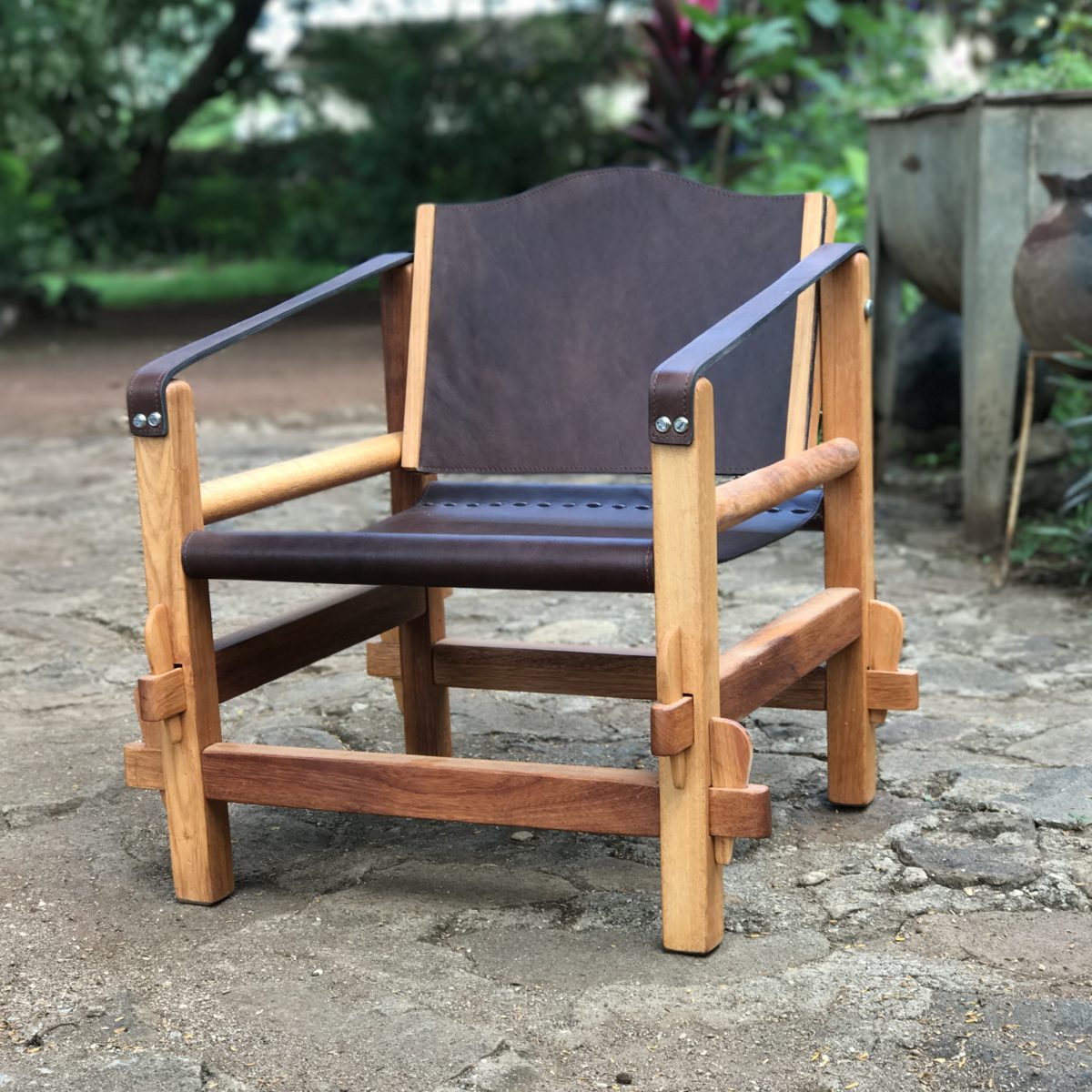
The "Made in Africa" Luxury Story
This desire for authentic, high-quality, locally-made products isn't unique to furniture. Across the continent, a new generation of entrepreneurs is redefining "luxury" by championing African craftsmanship. Watching how this is done in a parallel industry like fashion can provide powerful inspiration.
The Founder Of Kílẹ̀ńtàr Is Redefining Luxury Fashion With African Craftsmanship
This Forbes interview with Michelle, the founder of the fashion brand Kílẹ̀ńtàr, perfectly illustrates how to build a premium brand around African craftsmanship. Though she works with textiles, the principles are directly applicable to your woodworking business.
Please watch these three short clips: 04:19 - 05:37: Listen to how she defines what makes her brand different (quality, craftsmanship, transparency, trust). 11:44 - 12:25: Pay attention to her mission to 'change the narrative' around luxury and put African craftsmanship on the map. 13:31 - 14:52: Note why showcasing the story and authenticity behind the brand generated so much interest.
Kílẹ̀ńtàr's story highlights a global trend that you can harness: conscious consumerism. People increasingly want to buy from brands that are meaningful, authentic, and have a story. The perception of premium is shifting from "made in Europe" to "made with purpose."
Your CNC machine, combined with local hardwoods and a story about modern Tanzanian/Kenyan craftsmanship, fits perfectly into this new definition of luxury.

Blending Contemporary with Traditional
Finally, let's touch upon the Kenyan context and the art of blending old and new. While the core values of the urban middle class are similar, Kenya has its own rich aesthetic traditions to draw from.
Incorporating Cultural Elements into Design
This article from BuyRentKenya, 'Incorporating Cultural Elements into Design,' provides simple but effective ideas for how to blend traditional heritage with modern design.
Please read these three short sections: '2. African-Inspired Art and Craftsmanship' '3. Natural Materials and Earthy Tones' '6. Blending Contemporary with Traditional' Focus on the core idea of pairing modern forms with traditional materials or motifs.
This reinforces the central strategy: your brand's power lies in the synthesis. You're not making traditional furniture or generic modern furniture. You're creating something new that feels both globally relevant and locally rooted. This could mean:
- Using a modern, minimalist form but crafting it from a traditional wood like Mninga.
- Incorporating subtle patterns inspired by Swahili architecture or Kitenge fabric into a CNC-carved detail on a table leg.
- Focusing your brand's visual language on the natural materials and earthy tones of the East African landscape.
Test your understanding!
A potential customer in Nairobi is choosing between two coffee tables. One is a mass-produced, flat-pack table imported from Asia. The other is from your studio, made from local Mvule wood with a modern design and a small, intricate pattern inspired by Swahili carved doors on the legs.
Based on today's lesson, what are three key value points you would highlight in your marketing to convince them your table is the more "premium" and desirable choice?
Show answer
Here are three strong points you could make:
- Lasting Quality: "This table is crafted from solid Mvule, a beautiful and durable local hardwood known to last for generations, unlike mass-produced furniture that often needs replacing." (Appeals to the value of Durability & Quality).
- Unique, Modern Design: "You won't find this design in any big store. It's a contemporary piece for a modern home, with a unique detail that makes it a true conversation-starter." (Appeals to the desire for Style & Uniqueness).
- An Authentic Story: "This isn't just a table; it's a piece of modern East African craftsmanship. The design celebrates our local heritage in a way that fits perfectly in a contemporary urban home." (Appeals to Aspirational Value and the "Made in Africa" narrative).
Conclusion
Today we've moved from the what of visual language to the why of consumer values. You now have a much clearer picture of what "premium" and "craftsmanship" mean to your specific audience.
Key Takeaways:
- Premium is an Identity: In East Africa's urban middle class, premium goods are tools for expressing a modern, successful, and aspirational identity.
- Craftsmanship is a Hybrid: The ideal product combines the durability and authenticity of local materials with the innovation and finish of global design standards.
- The Market is Frustrated: Consumers are largely unsatisfied with their options, creating a clear market gap for a brand that can deliver on both durability and design.
- Story is Strategy: A brand story rooted in authentic, modern African craftsmanship is a powerful differentiator that aligns with a growing movement of conscious consumerism.
In our next lesson, we'll take this understanding of customer values and apply it to their purchasing process. The learning outcome will be: Map the customer decision journey from awareness to purchase for a high-value item. This will help us identify the key moments where your brand needs to communicate its unique value.