Hello! Welcome to the final lesson of our module, "The Corporate Lawyer: Professional Responsibility."
In our last lesson, we examined the ethical duty of confidentiality. We distinguished it from the attorney-client privilege and explored the "report up, may report out" framework that guides a corporate lawyer's response to internal wrongdoing. This framework is a practical application of a lawyer's duties of loyalty and confidentiality to their client, the corporation.
Today, we will address the most fundamental duty of all: the duty of competence. This duty underpins every action a lawyer takes. Our learning outcome is to analyze a lawyer's duty of competence and its application to specialized areas of corporate law. We will define what it means to be a "competent" lawyer, explore how a new lawyer can meet this standard even in unfamiliar areas, and see how this duty plays out in the complex, specialized world of corporate practice.
1. The Four Pillars of Competence
The duty of competence is deceptively simple. ABA Model Rule 1.1 states: "A lawyer shall provide competent representation to a client." But what does that actually mean? The rule breaks it down into four essential components.

These four pillars form the basis of what a client is entitled to expect from their legal counsel. Let's watch a short video that introduces the rule and its core requirements.
This video from Professor Stevenson provides a clear and concise overview of ABA Model Rule 1.1, which defines a lawyer's duty of competence.
Please watch the first 1 minute and 17 seconds of the video. Focus on the four components of competent representation mentioned: knowledge, skill, thoroughness, and preparation.
As the video explains, competence requires:
- Legal Knowledge: Knowing the relevant law. You don't have to know everything, but you must be able to find and understand the law applicable to your client's matter.
- Skill: Possessing the necessary practical abilities, such as legal analysis, research, drafting documents, and negotiation.
- Thoroughness: Being diligent and comprehensive in your inquiry and analysis of the facts and law.
- Preparation: Putting in the necessary work before taking action, whether it's preparing for a negotiation, drafting a contract, or giving advice.
This duty is not a demand for perfection. It is a standard of reasonableness. The key is to have the necessary foundation and to apply it diligently to each client's matter.
2. How to Be Competent: Study, Association, and Diligence
Your interest lies in corporate law, a field with many complex sub-specialties. As a new lawyer, you won't be an expert in all—or even most—of them. So, how can you take on a matter in an unfamiliar area without violating your duty of competence? The rules provide two clear paths.
Let's return to the same video to explore these options and the ongoing nature of this duty.
This next segment from Professor Stevenson's video explains how lawyers, especially new ones, can become competent in new areas of law and the importance of associating with other lawyers.
Please watch from 01:17 to 03:54, and then from 09:09 to 11:58. Focus on the two primary ways to handle an unfamiliar matter and the ethical requirements for bringing in another lawyer.
As the video details, you have two main options when facing a legal problem outside your immediate expertise:
- Necessary Study: You can become competent through dedicated study. The legal skills you develop—analyzing precedents, evaluating evidence, and drafting documents—are transferable. A lawyer is expected to be able to teach themselves what they need to know to handle a novel matter effectively.
- Association with Another Lawyer: You can work with another lawyer who already has established competence in that field. In corporate law, this is extremely common. A general corporate lawyer might associate with specialists in tax, intellectual property, or environmental law to fully serve a client's needs. When doing so, you must reasonably believe the other lawyer is competent and typically must get informed consent from the client.
The Link Between Competence and Diligence
Thoroughness and preparation are core parts of competence. A lawyer who procrastinates or takes on too many cases cannot be thorough or adequately prepared. This is where the duty of competence connects to the duty of diligence (ABA Model Rule 1.3). A lack of diligence is one of the most common reasons lawyers face disciplinary action.
Let's watch one final, brief clip that discusses the critical importance of managing your workload.
ABA Model Rule 1.3 - Lawyer's Duty of Diligence & Zealous Advocacy
This video on the duty of diligence directly addresses a key practical challenge to maintaining competence: an unmanageable workload.
Please watch from 03:31 to 05:52. As you watch, consider why saying 'no' to a new case or assignment can be one of the most important ethical decisions a lawyer makes.
The key takeaway is that a lawyer has an ethical duty to control their workload. Whether you are a solo practitioner tempted to take every client or a junior associate at a large firm feeling pressure to accept every assignment, your ethical obligation is to ensure you can handle each matter competently.
Test your understanding!
A junior corporate lawyer is asked by a partner to handle a small acquisition for a client. The lawyer has never worked on an M&A deal before and knows it involves complex tax structuring issues. What is the lawyer's most professionally responsible first step?
a) Immediately decline the assignment, stating they are not competent.
b) Accept the assignment and hope to learn as they go.
c) Accept the assignment, but immediately inform the partner of their inexperience and ask for supervision and the involvement of a tax specialist.
d) Accept the assignment and hire an outside tax specialist without telling the partner.
Show answer
The best answer is (c). This approach demonstrates both a willingness to learn (necessary study) and an understanding of the need for expert assistance (association). It allows the lawyer to gain experience under supervision while ensuring the client receives competent representation, especially on the specialized tax issues. Declining outright (a) may be unnecessary if competence can be achieved. 'Hoping to learn' (b) is reckless. Secretly hiring an expert (d) violates the duties to communicate with the supervising partner and, likely, to get client consent.
3. Competence in the Specialized World of Corporate Law
The duty of competence takes on special significance in corporate law because the field is not monolithic. A single transaction, like a merger or acquisition, can touch upon numerous highly specialized areas of law.
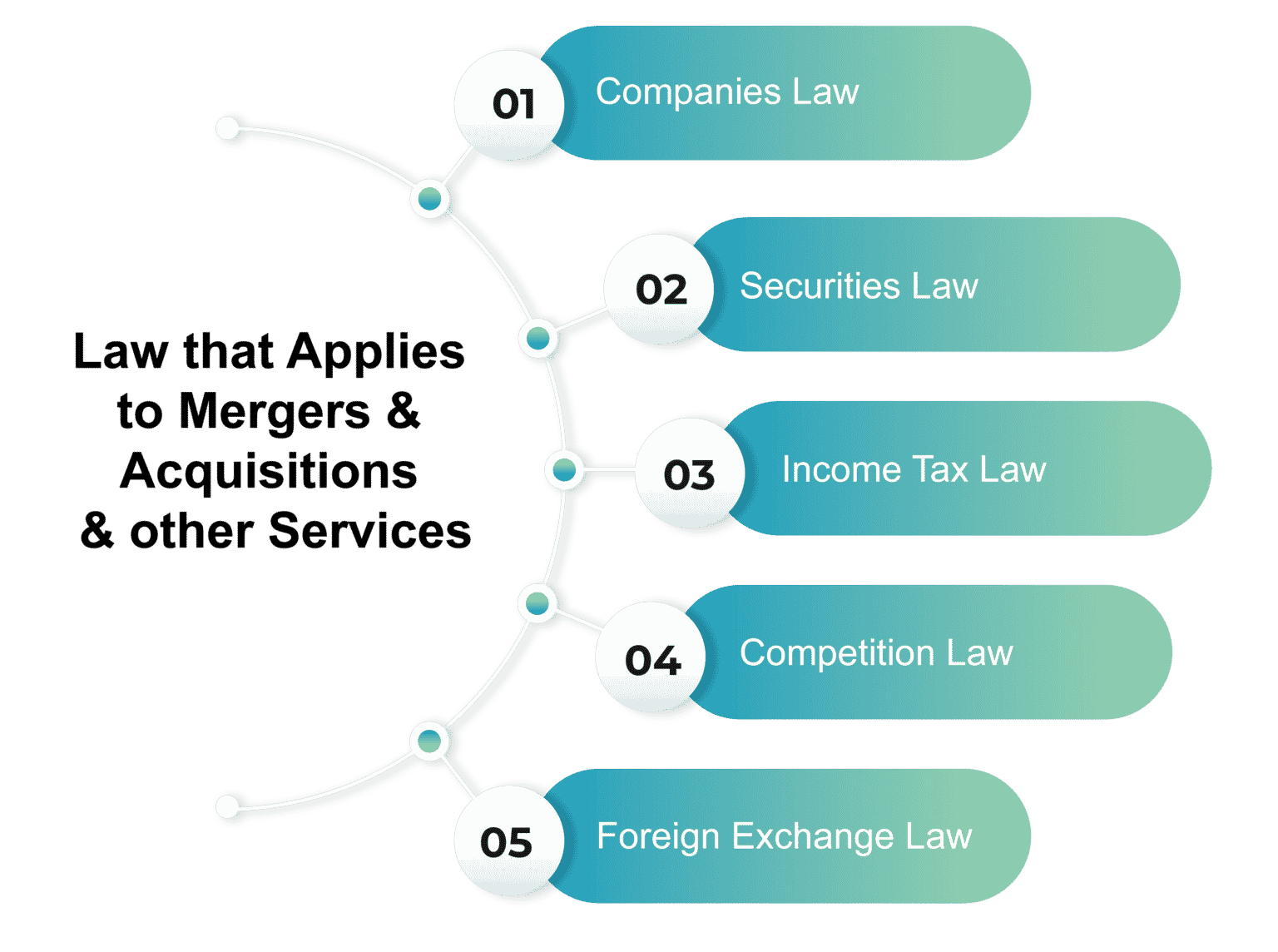
This reality leads to a crucial point: if you hold yourself out as a specialist, or act in a specialized area, you are held to a higher standard of care.
To understand this, please read the following material.
Competence Rule 1.1 - Malpractice Standard of Care
This short excerpt from a slide deck on professional responsibility directly addresses the different standards of care for general practitioners versus specialists. This is a critical concept for any lawyer working in specialized fields.
Please read slide 28, titled 'MALPRACTICE - STANDARD OF CARE?'. Focus on the distinction between the standard for a general practitioner and the standard for an attorney acting as a specialist.
The standard is no longer just that of a "general practitioner." It becomes the "skill and knowledge possessed by attorneys who practice that specialty." This is why recognizing the limits of your own expertise is so critical.
Competence for In-House Counsel
For in-house lawyers, these issues are part of daily practice. They are often the first point of contact for a wide range of legal questions. A key part of their job is knowing when to handle a matter internally and when to "punt" it to outside counsel with specialized expertise.
Let's read about how this works in practice.
Ethics Issues for In-House Transaction Counsel
This article, 'Ethics Issues for In-House Transaction Counsel,' provides a real-world perspective on how corporate lawyers manage the duty of competence in high-stakes transactions.
Please read the section titled 'COMPETENCE' at the beginning of the article. Notice how the author frames the issue not as a failure, but as a strategic decision to 'punt' certain responsibilities to ensure the client is properly served.
This reading brings the rule to life. In a complex transaction, a competent in-house lawyer demonstrates their value not by knowing everything, but by identifying the various legal issues (tax, IP, regulatory) and ensuring that each one is handled by someone with the requisite expertise. This act of "punting" is not an admission of incompetence; it is the very essence of providing competent representation.
Conclusion
This lesson, and this module, concludes our survey of the core professional responsibilities of a corporate lawyer. We began by establishing that the lawyer's client is the entity itself. We then explored the fiduciary duties of loyalty and care, the evidentiary protection of attorney-client privilege, the broad ethical shield of confidentiality, and finally, the foundational duty of competence.
Key Takeaways:
- The duty of competence requires a lawyer to have the legal knowledge, skill, thoroughness, and preparation reasonably necessary for a representation.
- A lawyer can become competent in an unfamiliar field through diligent study or by associating with an expert, a common practice in specialized corporate law.
- Maintaining competence is an ongoing duty that involves managing your workload, staying current with the law through continuing education, and keeping abreast of technology.
- In specialized areas of corporate law (like tax, securities, or M&A), a lawyer is held to the higher standard of a specialist and must recognize when to bring in outside experts to ensure the client is competently served.
You now have a strong theoretical framework for understanding the ethical rules that will govern your conduct as a future corporate lawyer.
Preview of the Next Module:
Having established the ethical duties that define how a lawyer must act, we will now turn to the substance of what a corporate lawyer does. Our next module, Advanced Contract Law for Commerce, will dive into the specific legal rules that govern commercial transactions. We will begin by analyzing the most important of these for business: the Uniform Commercial Code (UCC) and its provisions governing the sale of goods.