Hello! In our last lesson, we explored the "pattern interrupt"—a crucial technique for breaking a prospect's autopilot and earning a brief window of attention at the start of a cold call. You now understand the psychology of why the first few seconds are so critical and how to prevent the knee-jerk "not interested" response.
Now, we'll answer the all-important question: once you've created that opening, what do you say? This lesson focuses on turning those few seconds of attention into genuine curiosity. Our goal is to help you craft a concise, 15-second value proposition tailored for a cold audience. This isn't about giving a full sales pitch; it's about delivering a single, powerful message that makes the prospect lean in and want to hear more.
The Goal of the 15-Second Window
In the world of sales, you'll often hear about the "elevator pitch"—a quick summary of what you do. The idea is to have a short, pre-prepared speech that explains your company and its value. While the concept is useful, the traditional approach often falls flat on a cold call.
Let's look at the classic components of a short pitch to understand the building blocks.
How to Nail a 15-Second Sales Pitch in 5 proven, Simple steps
This article from Close.com breaks down the traditional structure of a short sales pitch. It provides a solid foundation for thinking about how to condense your message.
First, read the section What is a Short Sales Pitch? to get a definition. Then, focus on the descriptions of the core components in the next section: Opening Line, One Clear Benefit, and One Unique Value Proposition. Note how these elements focus on benefits and differentiation.
The components described in the article—a clear benefit and a unique value proposition—are essential. However, leading with them on a cold call, right after your pattern interrupt, can backfire. Why? Because you haven't yet earned the right to talk about your solution. A prospect who doesn't feel they have a problem won't care about your benefits.
From Value Proposition to Problem Proposition
As you know from your DM setting experience, a message that starts with "My coaching program helps you..." is far less effective than one that starts with "Saw you're struggling with...". The same principle applies here, but with even greater intensity. On a cold call, leading with benefits or buzzwords immediately flags you as a "salesperson" and triggers the same resistance you just worked to overcome with your pattern interrupt.
Let's hear from the experts at 30 Minutes to President's Club why the standard approach is flawed and what you should do instead.
How to Give a Compelling "Pitch" on Cold Calls
This video explains the critical shift from talking about "value" to talking about "problems."
Watch these three short clips: The first segment explains why traditional value propositions filled with marketing jargon fail on cold calls. Notice how it reinforces the idea of being categorized as a low-status telemarketer. Next, watch the section comparing value vs. problem propositions using simple, everyday examples. See how the problem-focused version is consistently more compelling. Finally, listen to the introduction of the three-step framework for a Problem Proposition from this part of the video. This is the core structure we'll be building today.
The takeaway is clear: on a cold call, your 15-second "pitch" shouldn't be a value proposition. It should be a Problem Proposition. Your goal is to articulate a problem so clearly and specifically that the prospect immediately thinks, "Yes, that's me. How did they know?"
The 3-Step Problem Proposition Framework
Let's formalize the three steps introduced in the video. This framework will be your guide for crafting a powerful opening statement.
- The Triggering Problem: Describe a specific, painful problem your prospect likely experiences. This should create a visceral "that's me" reaction.
- The One-Sentence Solution: Briefly explain how you make that specific problem go away. This is not a feature list; it's a direct answer to the problem you just raised.
- The Interest-Based CTA: Ask a low-pressure question to gauge their interest in learning more, not to book a meeting.
The following article lays out this framework with excellent examples.
How To Build The Perfect Cold Call Pitch | Sales Newsletter
This article from 30 Minutes to President's Club provides the written blueprint for the Problem Proposition.
Read from the heading So today, we're giving you a pitch where the 3-step framework is introduced. Then, read through the detailed explanations for each step: Step 1: Build a triggering problem Step 2: One-Sentence Solution Step 3: Interest Based CTA Pay close attention to the example about Pave and compensation teams. Notice how the problem statement is incredibly specific ("buried under a mountain of spreadsheets with 17,000 VLookups") and how the solution directly resolves it.
Building Your Pitch: The "Before and After" Method
The hardest part of this framework is crafting a truly "triggering" problem. A great way to structure this is using the "Before and After" framework, taught by sales expert Josh Braun.
- The Before State: This is the world of the triggering problem. What does life look like for your prospect without your solution? What are the specific frustrations, wasted time, or missed opportunities?
- The After State: This is the world your one-sentence solution creates. What is the specific, positive outcome?
Let's see how Josh Braun explains and applies this concept.
Precision Cold Calling: Identifying and Solving Prospect Problems (Josh Braun)
In this video, Josh Braun provides a simple yet powerful way to think about and articulate your value.
First, watch the very beginning from this short clip, where he introduces the "Before and After" framework using the now-famous Uber example. Then, jump to the longer segment from this part of the video. He demonstrates a full cold call sequence, but pay specific attention to how he frames the Nooks example as a clear "before" (50 calls, 1-2 conversations) and "after" (50 calls, 12-15 conversations). This contrast is what creates impact.
Your Turn: Crafting Your Problem Proposition
Now, let's make this practical for your work setting as a phone setter for online coaches. Before you can craft a proposition, you need to deeply understand the prospect's world. The questions below are a great starting point for your pre-call research and planning.
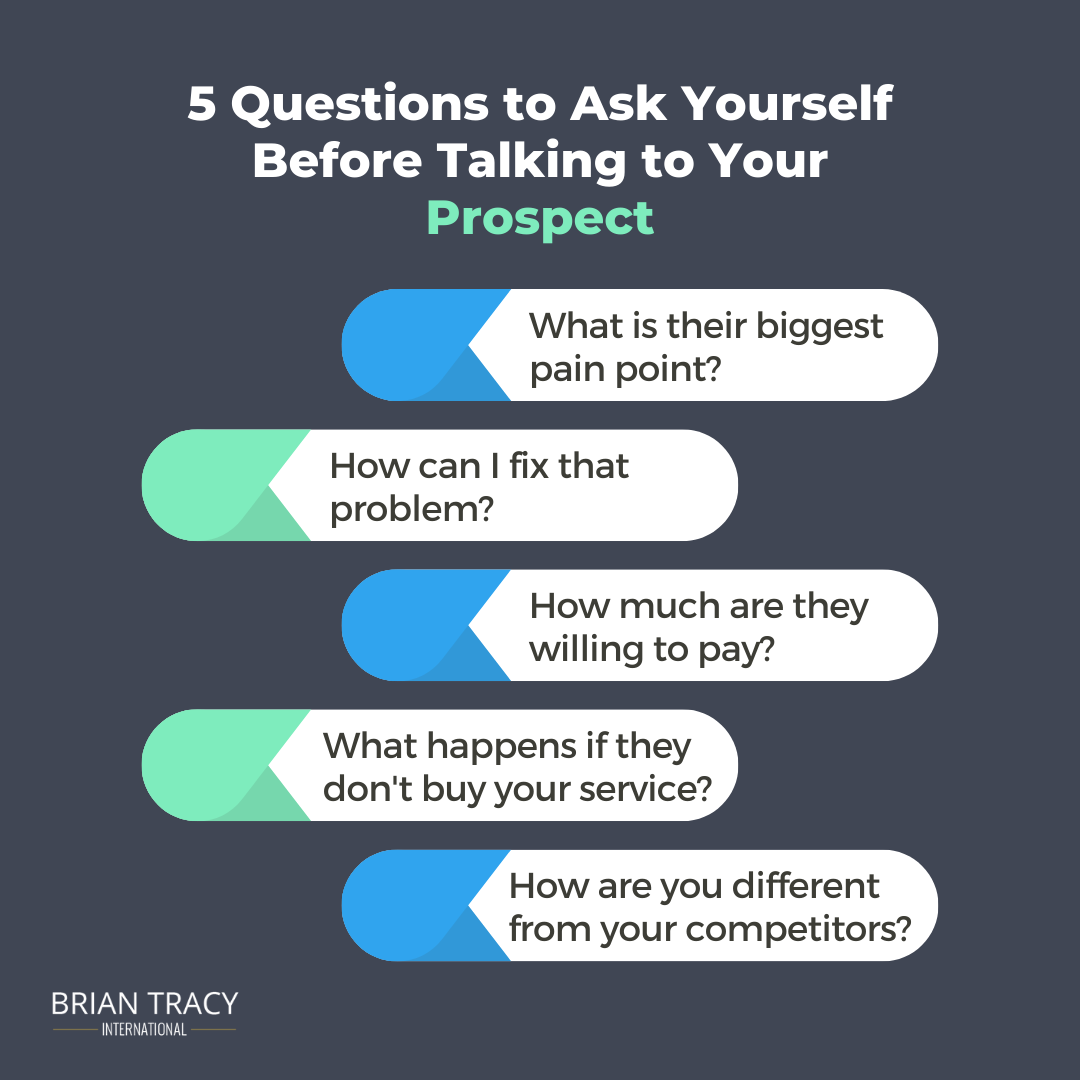
Let's build a Problem Proposition for a hypothetical prospect: an online fitness coach who is active on social media but struggles to get clients.
1. Identify the Triggering Problem (The "Before" State):
Instead of a generic "needs more clients," let's get specific, using the "hairy lollipop-specificity" mentioned in the article.
- Generic: "You want more clients."
- Specific/Triggering: "You know how some fitness coaches create amazing content that gets tons of views, but they get stuck in the DMs for hours with people who ask for free advice but never actually sign up for their program?"
This is a specific, frustrating scenario that a coach in this position would immediately recognize.
2. Formulate the One-Sentence Solution (The "After" State):
This must directly solve the triggering problem.
- Solution: "Well, we have a process that filters those conversations so you only spend time on the phone with people who are qualified and ready to invest in their health."
3. Add the Interest-Based CTA:
Make it a low-friction, easy "yes."
- CTA: "I'm not sure if that's something you're running into, but would you be open to hearing how it works?"
Putting it all together (~15 seconds):
"(Pattern Interrupt)... I'm calling because I work with fitness coaches, and a common theme I'm hearing is how frustrating it is to get tons of views on content, but then get stuck in the DMs for hours with people who never actually sign up. We have a process that filters those conversations so you only spend time on the phone with people who are ready to invest. I'm not sure if that's something you're running into, but would you be open to hearing how it works?"
This is targeted, empathetic, and leads with their problem, not your solution's features.
Conclusion
You've now moved from simply getting a prospect's attention to using that attention wisely. The key is to shift your mindset from selling your value to solving their problems.
Key Takeaways:
- On a cold call, a traditional "value proposition" can backfire. A "Problem Proposition" is far more effective.
- The goal is to articulate the prospect's problem so well that they believe you have the solution.
- Structure your pitch using the 3-step framework: Triggering Problem, One-Sentence Solution, and Interest-Based CTA.
- Use the "Before and After" model to create a powerful contrast between the pain of the current situation and the relief your solution provides.
- Specificity is your greatest tool. The more "triggering" and precise your problem statement, the more compelling your pitch will be.
You now have a framework for both interrupting a prospect's pattern and delivering an initial message that creates curiosity. But what happens when they say, "Okay, sure, tell me more"? How do you transition from your 15-second pitch into a real conversation?
In the next lesson, we will cover exactly that. You will learn how to formulate permission-based, open-ended questions to engage a cold prospect within the first minute, turning their initial interest into a productive discovery conversation.