Welcome back! In our last lesson, you refined your capstone project by applying parallel structure, a technique that adds polish, rhythm, and persuasive power to your prose. You now have a well-crafted draft that is substantively strong and stylistically sound.
Today, we shift from the internal craft of the sentences to the external presentation of the piece. Your learning outcome is to adapt your final piece for an online audience, focusing on scannability and an engaging digital tone. In today's media landscape, even the most brilliant article can fail if it isn't formatted for how people actually read on screens. This lesson will equip you with the principles to ensure your work not only gets read, but also makes an impact online.
1. Writing for Scanners, Not Just Readers
The first and most important thing to understand about online content is that most people don't read it—at least not in the traditional, linear way. They skim. Eye-tracking studies have shown that users often scan pages in an "F-pattern," reading the first few lines horizontally, then dropping down the page and scanning another shorter horizontal line, and finally scanning vertically along the left side.
This isn't a sign of laziness; it's an efficient strategy for navigating a sea of information. Our job as writers is not to fight this behavior, but to accommodate it. By making your article "scannable," you create a better experience for everyone, allowing them to quickly grasp your key points and encouraging them to slow down and read more deeply.
The following guide from Kontent.ai provides an excellent overview of the core techniques for making content readable and scannable.
Writing for skimmers: A guide to formatting that boosts readability
This article offers a comprehensive set of practical strategies for formatting online content. It's based on research into modern reading habits.
Please read the following sections, focusing on the specific, actionable advice in each: "Use clear, descriptive headings": Note how headings act as signposts. "Keep paragraphs short and sweet": This is perhaps the single most important rule of online writing. "Bold key takeaways strategically": Understand how bolding creates a "scannable skeleton." "Use bullet points for clarity and impact": Pay attention to when and why lists are effective. "Add strategic visual breaks": Recognize the role of white space. "Optimize for mobile-first skimming": This section is crucial, as a majority of readers will likely be on their phones.
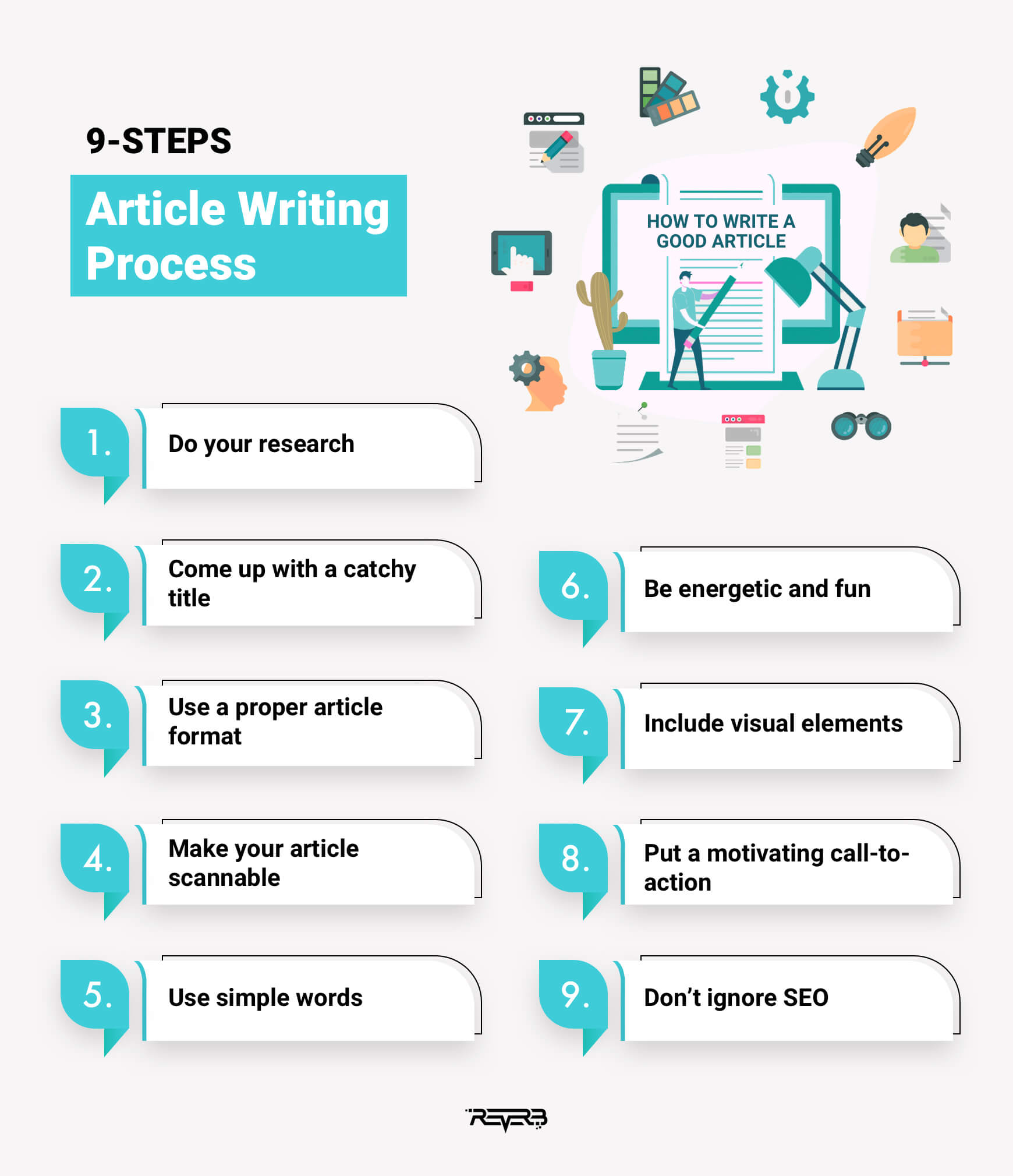
These techniques are fundamental to the modern writing process, as summarized in the infographic below. Notice how "Make article scannable" is a distinct step.
2. Adjusting Your Tone for a Digital Audience
Beyond structural formatting, adapting for an online audience also involves adjusting your tone. While the principles of good writing remain the same, digital writing often benefits from being more direct, conversational, and energetic to hold the reader's attention.
An NBC News editor explains some key elements that contribute to an engaging digital piece.
How to Write Online News, from an NBC News Editor
In "How to Write Online News, from an NBC News Editor," you'll hear how a major news organization approaches writing for its digital platforms.
Watch the following segments, paying attention to how these techniques serve an online reader: The core principle: Grabbing attention and being clear and concise. Anecdotal leads: Notice how starting with a small story can be more engaging online than a dry, factual opening. Using quotes: The advice here is to use quotes for emotion and impact, not just information. This is key for an engaging tone. The "kicker": Learn how to end your piece with a memorable takeaway that resonates with the reader long after they've clicked away.
The tone you choose helps define your authorial "brand" and the publication's identity. Just as major companies cultivate a specific voice, so do media outlets and individual journalists. Think about the tone you want for your capstone piece. Is it witty and irreverent like some pieces in Vulture? Authoritative and insightful like The Hollywood Reporter? Or conversational and enthusiastic like a fan blog?

3. Your Turn: Adapt Your Capstone Project
Now it's time to apply these principles to your own work. Open the revised draft of your capstone article that you polished in the last lesson. Your task is to perform a "digital adaptation" pass.
Follow this checklist:
- Break up dense paragraphs. Go through your article and ensure most paragraphs are no longer than 4-5 lines (on a standard document view). Look for places where you've combined multiple ideas and split them into separate, focused paragraphs.
- Write at least two descriptive subheadings. Identify the major sections or shifts in your article. Insert clear, compelling subheadings (like the ones discussed in the Kontent.ai article) to guide the reader. Avoid generic titles like "Introduction" or "Conclusion."
- Use strategic bolding. Read through your article and bold 3 to 5 key phrases or takeaways. These should be the points you'd want someone to remember even if they only skimmed the piece.
- Incorporate a bulleted or numbered list. Find at least one place where you list several examples, reasons, or characteristics. Convert that sentence or group of sentences into a list for improved clarity and visual appeal.
- Review your lead and kicker. Does your opening sentence immediately hook the reader? Does your final paragraph provide a memorable, forward-looking thought, as the NBC editor suggested? Revise them for digital impact.
- Read it aloud. Does the piece sound conversational? Or does it feel overly academic or stiff? Adjust word choices to create a more direct and engaging tone suitable for your target publication.
This exercise isn't about "dumbing down" your writing. It's about respecting your reader's time and attention in the digital age, ensuring your thoughtful analysis is presented in the most accessible and impactful way possible.
Conclusion
In this lesson, you've learned to bridge the gap between traditional prose and effective digital content. By focusing on scannability and an engaging tone, you make it easier for readers to find, understand, and appreciate your work.
Key Takeaways:
- Online readers are primarily scanners. Your formatting must guide their eyes to key information.
- Scannability is achieved through short paragraphs, clear headings, bolded text, lists, and generous white space.
- An engaging digital tone is often more direct and conversational, using strong hooks and memorable closings to hold attention.
- Adapting for an online audience is a crucial final step in the professional writing process, ensuring your content can thrive in its intended environment.
You're almost there! Your capstone piece is now drafted, revised, and formatted. In our next lesson, we'll focus on the final step: writing effective social media copy to promote the finished article.