Introduction
Welcome back. In our last lesson, we established a clear vocabulary for describing one-woman-multiple-male relationships, distinguishing between the broad structure of polyandry and the specific dynamics of hotwifing and cuckolding. We learned that the crucial difference lies in the psychological experience, particularly that of the primary male partner.
Today, we shift our focus to the central figure in these arrangements. This lesson fulfills the learning outcome: Explain the psychological dynamics and motivations for the central woman in multi-male arrangements. We will explore why a woman might choose and thrive in these dynamics, moving beyond simple definitions to investigate the internal world of desire, empowerment, and connection. We will examine motivations ranging from the reclaiming of sexual autonomy to the experience of compersion and the intentional play with power.
1. The Pursuit of Autonomy and Sexual Subjectivity
One of the most significant motivations for women entering polyandrous or hotwife dynamics is the desire to move beyond the constraints of traditional relationship scripts and reclaim their sexual agency. For many, it's a conscious act of self-definition and empowerment.
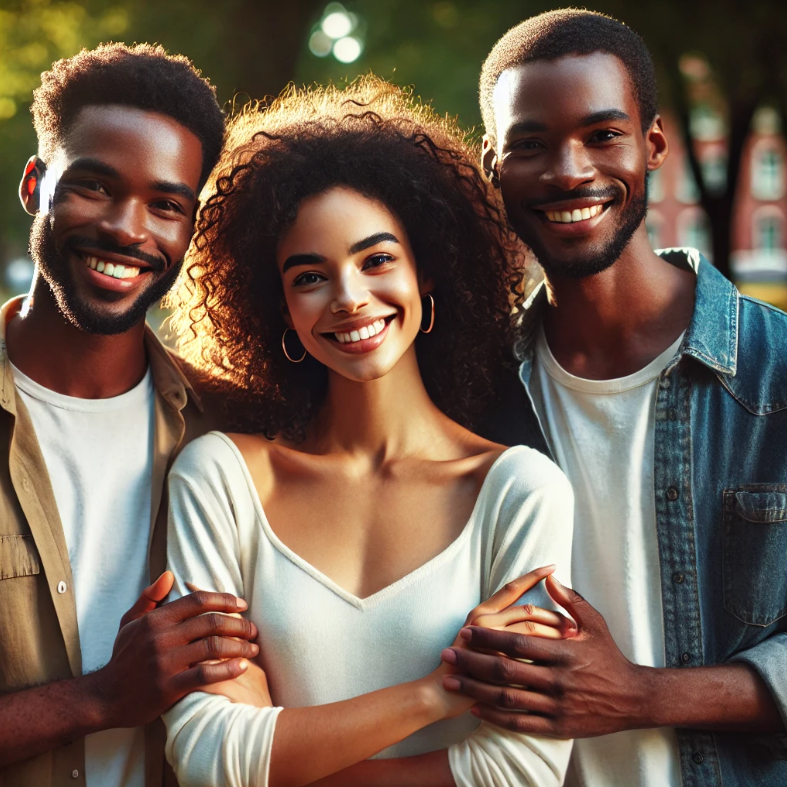
This pursuit often involves rejecting limiting social narratives about female sexuality and actively constructing a life that feels more authentic. Let's delve into an academic paper that explores this in depth.
[PDF] POLYAMOROUS WOMEN, SEXUAL SUBJECTIVITY AND POWER
The following excerpts are from the research paper 'Polyamorous Women, Sexual Subjectivity and Power' by Elisabeth Sheff. This paper provides rich, qualitative insights into the lived experiences of women in these relationships.
Please read two parts of this paper: The section titled 'EXPANDED ROLES' (starting on page 8). Focus on the subsections 'Family and monogamous culture' and 'Gender roles' to see how women describe breaking free from traditional expectations. The first part of the 'SEXUALITY' section (starting on page 12), specifically the subsection 'High sex drive.' Pay attention to how women challenge the sexual double standard.
As the research illustrates, a powerful motivator is the feeling of being constrained by monogamy and the traditional female role. Key psychological drivers include:
- "Wanting More": As expressed by the participant Peck, some women feel that monogamy is an ill-fitting model and seek polyamory to find personal empowerment and expand their life beyond prescribed roles.
- Reclaiming Authenticity: The participant Louise found that polyamory helped her shift from "always putting everyone else first" to prioritizing her own needs, which she described as "being true to who I am."
- Challenging the Double Standard: Many women in these dynamics, like Louise and Peck in the study, report having a high sex drive. They actively reject cultural messages that label sexually active women as "sluts" while glorifying men for the same behavior. For them, having multiple partners is an empowering act of claiming an equal right to sexual expression.
This theme of empowerment is central to the hotwife dynamic in particular. The following article explains this concept succinctly.
The Hotwife Dynamic: Her Pleasure His Witness | MoneySexNerd
The article 'The Hotwife Dynamic: Her Pleasure His Witness' clearly outlines the motivations for the woman. Let's focus on the section that discusses her empowerment.
Please read the subsection titled 'Her empowerment'. Focus on how the author describes the psychological shift from being a chosen 'object' to a choosing 'subject'.
As the article notes, the shift is profound. In a culture that often polices female desire, the explicit support of a primary partner can transform what might be labeled as transgressive into a liberating act of self-ownership.
2. The Emotional Architecture: Compersion and Power
While autonomy is a powerful driver, the motivations are not solely individualistic. The emotional interplay with her partner(s) is also a crucial part of the dynamic. This includes both the joy derived from her partner's happiness (compersion) and, in some cases, the enjoyment of a shifting power balance.
This next video provides an excellent overview of the psychological profile and core motivations of women drawn to these dynamics.
What Kind of Woman Likes Cuckolding?
The video 'What Kind of Woman Likes Cuckolding?' by Taboo Talk directly addresses the 'why' from the woman's perspective, introducing key psychological concepts.
Please watch from 00:32 to 03:29. As you watch, pay close attention to two key ideas: the personality traits that researchers consistently find, and the definition and role of 'compersion'.
From the video, we can identify several key psychological elements:
- Personality Profile: Research suggests that women in these dynamics often score high in openness to experience, sexual assertiveness, and emotional stability. This profile contradicts stereotypes of them being coerced or dysfunctional. Instead, they appear to be curious, confident, and psychologically equipped to navigate complex emotions.
- Compersion: This is the experience of feeling joy, and sometimes arousal, from witnessing your partner's pleasure with another person. For many women, seeing their primary partner's happiness and arousal from her other encounters becomes a source of deep connection and shared joy, transforming a potential threat into a bonding experience.
- Power Dynamics: As we've discussed, not all female-centered dynamics are the same. The video touches on the difference between a cuckoldress dynamic, which often focuses on female power and dominance, and a hotwife dynamic, which is more about shared pride.
For some women, the ability to play with power is a significant motivation. This can be a fun, consensual way to explore different facets of her personality and the couple's relationship.
Hot Wife and Cuckolding Kinks with Heather Shannon
In this clip from a discussion with sex therapist Heather Shannon, she elaborates on the woman's experience, particularly the role of power.
Please watch the segment from 12:49 to 15:13. Notice the different motivations she discusses, from the simple excitement of non-monogamy to the more complex play with power dynamics in a cuckolding context.
As Heather Shannon explains, the woman's desire is paramount. This desire can stem from:
- General excitement about consensual non-monogamy.
- Experiencing compersion for her partner.
- The desire to play with power, such as using a cuckolding scene to "call the shots" or as a form of playful "punishment," transforming relationship frustrations into a shared, erotic game.
Ultimately, her motivation must be genuine. The entire structure's health depends on her active and enthusiastic consent. The "Hotwife Dynamic" article (LINK) emphasizes that she must have absolute "veto power," and the dynamic becomes corrosive the moment it feels like an obligation. This underscores that true empowerment in these dynamics is synonymous with her uncompromised agency.
Conclusion
In this lesson, we have explored the complex and varied psychological motivations for the central woman in multi-male relationships. We've seen that her choice is often a deliberate and powerful act of self-authorship.
Key Takeaways:
- Autonomy and Empowerment: A primary motivation is the rejection of traditional, restrictive scripts about female sexuality and the active pursuit of sexual subjectivity and self-ownership.
- High Sex Drive and the Double Standard: Many women in these dynamics have a high sex drive and see their relationship style as a way to challenge the cultural double standard that shames female desire.
- Compersion: The experience of feeling joy from a partner's pleasure is a key emotional driver that transforms potential jealousy into a source of connection and intimacy.
- Power and Play: The dynamic offers a space to explore power, with some women motivated by the dominance in a cuckoldress role, while others prefer the shared pride of a hotwife dynamic.
- Agency is Key: Across all motivations, the woman's genuine desire, ongoing consent, and ultimate agency are what define the dynamic as empowering rather than objectifying.
Preview of the Next Lesson
Having now understood the woman's perspective, we will turn our attention to her partners. In the next lesson, we will address the learning outcome: "Explain the psychological dynamics for male partners in female-centric polyamorous relationships, distinguishing between different partner roles."