Introduction
Welcome to our final lesson in the "Comedy & Coming-of-Age Films" module. In our past few sessions, we've explored the stylistic spectrum of on-screen bras, from the understated, mismatched pieces used to create relatable characters, to the exaggerated novelty bras that function purely as comedic props.
Today, we will synthesize these ideas to address our final learning outcome: Analyze the contrast between aspirational and realistic bra styling in teen films. We will examine how costume designers use this dichotomy to build the distinct social worlds of teen movies, define character hierarchies, and chart a character's journey of self-discovery. This analysis is central to understanding the visual language of the genre, where what a character wears—and the underwear beneath—is a powerful tool for storytelling.
Defining the Poles: Aspirational vs. Realistic
Teen films often operate between two stylistic poles: the heightened, idealized world of the "aspirational," and the grounded, familiar world of the "realistic." Costume design is the primary way this distinction is made visible.
Aspirational Styling: The Unattainable Ideal
Aspirational styling is not meant to reflect the reality of the average teenager. Instead, it creates a fantasy of popularity, wealth, and effortless cool. These are the trend-setters, the queen bees, whose closets seem limitless and whose outfits are always perfectly coordinated and executed.
A recent example that highlights the importance of this concept comes from the critique of the 2024 remake of Mean Girls. Let's watch a short video that breaks down why the costuming failed to meet audience expectations for "The Plastics."
Mean Girls (2024) Fashion Crimes Against Humanity
The video essay 'Mean Girls (2024) Fashion Crimes Against Humanity' by YouTube creator Chisom argues that the film's costuming failed because it wasn't aspirational enough. This will help us solidify a definition of what 'aspirational' means in this context.
Please watch from the beginning to 01:28, from 03:22 to 03:39, and from 08:02 to 08:18. Pay close attention to the argument that The Plastics are 'meant to be trend-setters, not trend-followers' and that their style should not look 'attainable.'
As the video argues, aspirational style is defined by its un-attainability. It's about tailored fits, high-end looks (even if they are emulating them), and a polished glamour that sets characters like the original Plastics apart from their peers.
Perhaps no recent show has pushed aspirational teen style further than Euphoria. Its aesthetic is hyper-stylized, blending high-fashion runway pieces with intricate, custom designs.
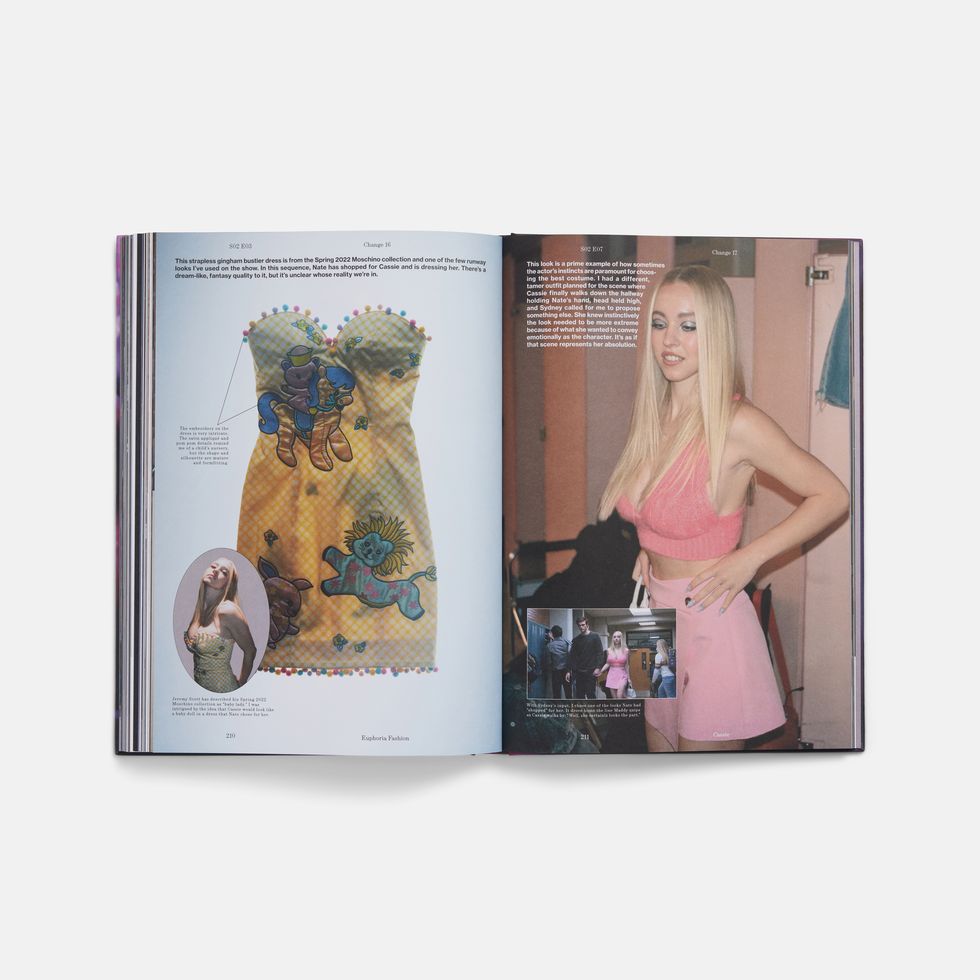
The bra styling in an aspirational context is often:
- A Visible Garment: Intricate bralettes, bustiers, and corset tops are worn as outerwear (e.g., Maddy Perez's iconic I.AM.GIA sets).
- Structurally Complex: Involves cutouts, elaborate strapping, and non-traditional materials that prioritize visual impact over comfort or practicality. This is something your own experience in lingerie design will allow you to deconstruct visually.
- Idealized: Used to create a specific, often provocative silhouette that aligns with the character's social power.
Realistic Styling: The Authentic Experience
Realistic styling aims for authenticity. It embraces the awkwardness, budget constraints, and eclectic nature of a real teenager's wardrobe. The goal is not to create a fashion plate, but a believable person.
The 2017 film Lady Bird is a masterclass in this approach. Its costume designer, April Napier, built the wardrobe from the ground up to reflect a genuine adolescent experience.
Lady Bird's Costume Designer on Shaping Her Inimitable ...
This article from 'Another Magazine' provides fantastic insight into the deliberately realistic costume design of 'Lady Bird.'
Please read the introduction, the section discussing Lady Bird's punk-rock mentality and the reference to 'ill-fitting khakis,' and the final paragraphs where Napier discusses the audience's craving for 'honesty' over 'fake, huge Hollywood stuff.'
Napier's philosophy highlights the core tenets of realistic styling: building a wardrobe from a character's imagined closet, embracing imperfect fits, and prizing emotional honesty over visual polish.
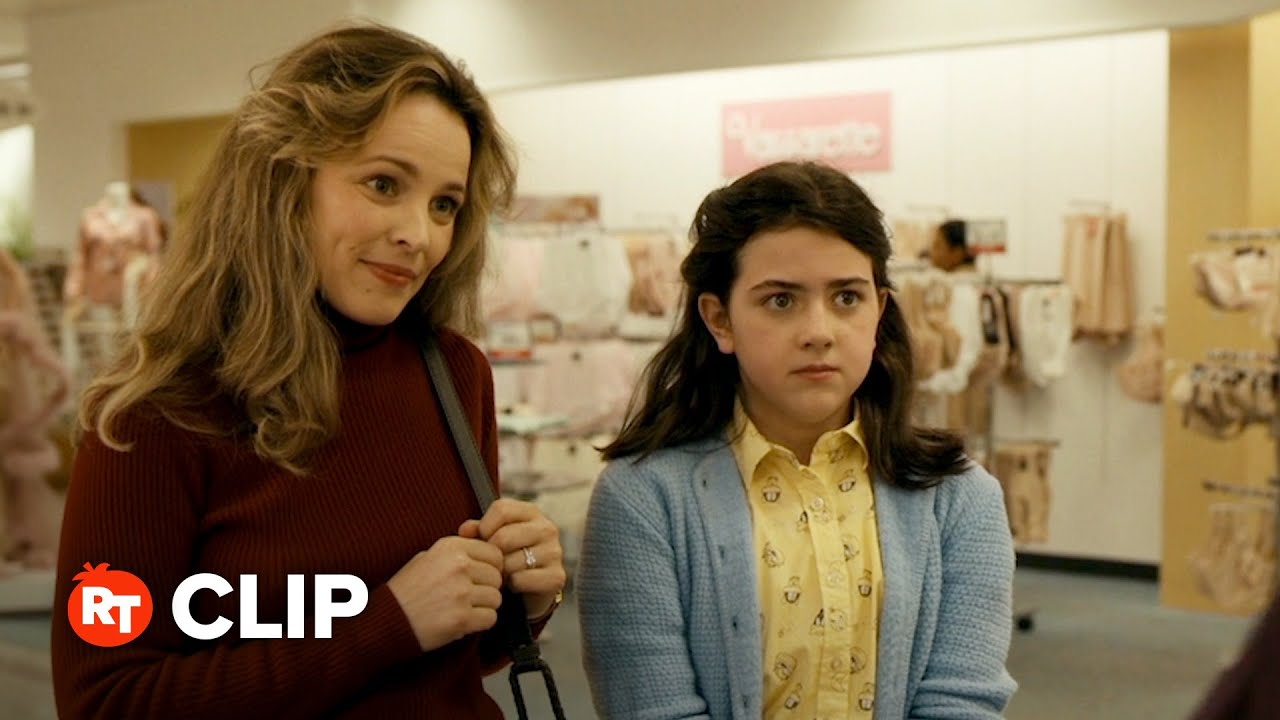
Bra styling in a realistic context is characterized by:
- Functionality: Simple t-shirt bras, sports bras, and plain cotton designs that serve a practical purpose.
- Invisibility (or Accidental Visibility): The bra is an undergarment, not a statement piece. A visible strap is usually a sign of carelessness, not a deliberate style choice.
- Authenticity: May be ill-fitting, mismatched, or plain, reflecting the reality of a teen's budget and developing body.
Case Study in Contrast: Jennifer's Body (2009)
Few films use the aspirational/realistic dichotomy as effectively as Jennifer's Body to delineate its two main characters, Jennifer Check and Needy Lesnicki. Their styles visually represent their personalities and the toxic power dynamic in their friendship.
the criminally underrated costume design of Jennifer's Body
The video essay 'the criminally underrated costume design of Jennifer's Body' offers a detailed analysis of the two lead characters' contrasting styles.
Please watch the following segments: (01:24 - 03:12) on Jennifer's aspirational but 'authentic teenager' style. (03:35 - 05:04) on how Jennifer 'weaponizes' her clothing. (10:07 - 10:39) on the direct visual contrast between Jennifer and Needy. (16:52 - 18:33) on Needy's 'comfortable, sensible, and casual' realistic style.
Let's break down the contrast:
| Jennifer Check (Aspirational) | Needy Lesnicki (Realistic) | |
|---|---|---|
| Overall Aesthetic | Sexy, trendy (for the 2000s), attention-grabbing, and weaponized. | Dorky, comfortable, unassuming, and practical. |
| Key Garments | Low-rise jeans, low-cut tops, mini-skirts, layers for sensual removal. | Hoodies, less-trendy covered-up options, a deliberately "ugly" and dated prom dress. |
| Color Palette | Aggressive and attention-grabbing shades (e.g., confident red). | Soft and unassuming hues. |
| Bra Styling Implications | Her signature low-cut tops imply the use of plunge or push-up bras to create the cleavage she "uses as a weapon." The bra is a tool for creating an idealized, powerful silhouette. | Her covered-up style suggests functional, simple bras like t-shirt bras or plain bralettes. Her underwear is for comfort and support, not for show. |
This film is a brilliant case study because Jennifer's style is just realistic enough to be believable for a high schooler, but it's pushed into an aspirational territory by its consistent sexiness and strategic purpose. It's a calculated performance of attractiveness, while Needy's style reflects her genuine, un-performative self.
Case Study in Character Arc: Euphoria's Cassie Howard
The contrast between styles can also exist within a single character. Costume can be used to show a character aspiring to be someone else. Let's return to Euphoria and look at how Cassie's wardrobe changes.
“Euphoria's” Costume Designer On The Show's Iconic Style Aesthetic
This BuzzFeed News interview with 'Euphoria' costume designer Heidi Bivens explores how she used wardrobe to show Cassie's psychological spiral and her aspiration to become Maddy.
Read the section detailing the 'Maddyfication of Cassie,' starting from the paragraph 'After hooking up with Nate, Cassie plummets into a breakdown...'. Then, read the section near the end where Bivens discusses balancing 'visual interest' with the need to keep the story 'believable.'
As Heidi Bivens explains, Cassie's identity crisis is shown visually as she abandons her own softer, more traditionally feminine style to copy Maddy's aggressive, hyper-aspirational aesthetic. This includes emulating Maddy's signature bra-as-outerwear looks with cutouts and strapping.
Cassie's arc demonstrates how aspirational styling isn't just about social status; it can represent a character's desires, insecurities, and loss of self. Her attempts to replicate Maddy's look are a desperate performance, and the bra and lingerie choices are key to showing this transformation.
Conclusion
In this lesson, we have analyzed the crucial contrast between aspirational and realistic styling in teen films. This is not merely a matter of aesthetics but a fundamental storytelling device.
Key Takeaways:
- Aspirational Styling creates an unattainable ideal of popularity and glamour, characterized by trend-setting, polished, and often impractical outfits. In bra styling, this manifests as visible, structurally complex, and silhouette-enhancing garments.
- Realistic Styling prioritizes authenticity and relatability, embracing the imperfections and practicalities of a real teenager's life. Bra styling here is functional, often invisible, and reflects comfort and accessibility.
- This dichotomy is a tool used by costume designers to establish social hierarchies (Mean Girls, Jennifer's Body), express character personality (Lady Bird), and illustrate internal character arcs (Euphoria).
Next Lesson
This concludes our module on "Comedy & Coming-of-Age Films." Our next module, "Styled Bralessness on Screen," will explore the deliberate choice to forgo a bra entirely. We will analyze how this can be styled to achieve different effects—from naturalism and comfort (an extension of realistic styling) to provocation and high-fashion statements (an extension of aspirational styling), building directly on the concepts we've established today.