Hello! Welcome back.
In our last lesson, we explored the 1960s and 70s, an era defined by a move towards naturalism, which saw the rise of the braless look and the unstructured soft bra. This was a direct rebellion against the rigid, architectural undergarments of the 1950s.
Today, we journey into the 1980s, a decade where the pendulum swung back towards a more deliberate, body-conscious aesthetic. However, instead of hiding the underpinnings of fashion, this era put them on full display. This lesson will directly address the learning outcome: to analyze the role of 1980s films like 'Flashdance' in popularizing athletic wear and lingerie as outerwear. We'll examine two distinct but related trends that fundamentally blurred the lines between what was worn in private (or at the gym) and what was worn on the street.
The 'Flashdance' Effect: From Dance Studio to Mainstream Fashion
The 1983 film Flashdance was a cultural juggernaut, not just for its music and story, but for its powerful impact on fashion. Its protagonist, Alex Owens, had a distinctive style born from her dual life as a welder and a dancer, and this aesthetic quickly spilled over into mainstream trends.
To begin, let's get an overview of the film's influential costume design.
Flashdance: Jennifer Beals’ Dance & Casual Wear
The article 'Flashdance: Jennifer Beals’ Dance & Casual Wear' by Clothes on Film provides an excellent breakdown of the movie's key looks.
Please read the beginning of the article, from the start down to the paragraph ending with '...even a green army jacket with insignia patches.' Focus on how the author separates Alex's wardrobe into two main categories.
The key takeaway here is the fusion of dance wear (Lycra, ripped sweaters, leggings) with masculine-coded casual wear (heavy coats, army jackets). This blend created a look that was both practical for a dancer and visually striking.
The most iconic piece from the film is undoubtedly the off-the-shoulder grey sweatshirt. From a design perspective, it's a masterclass in simplicity and impact.
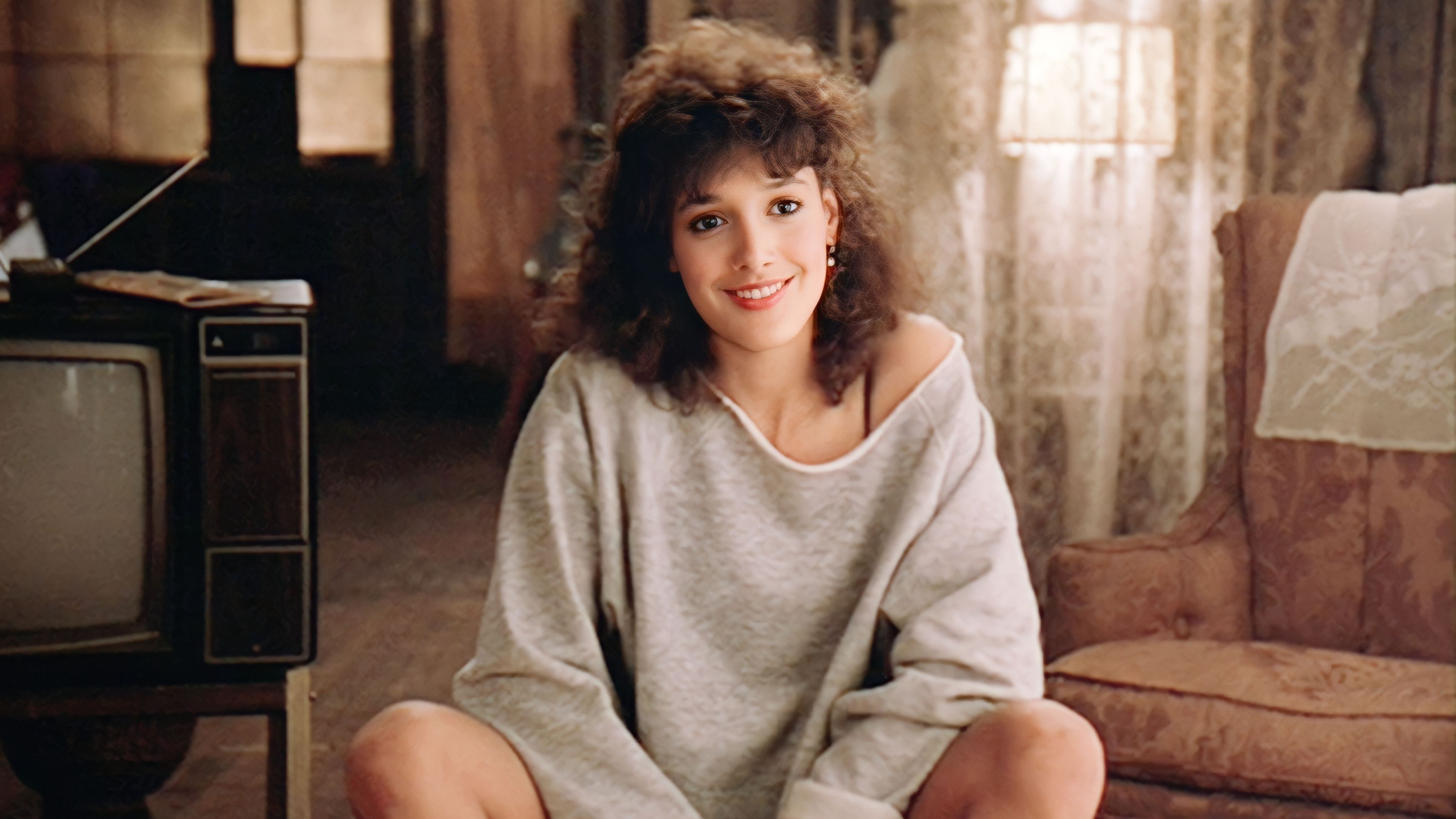
Notice the visible bra strap. This is a crucial detail. In the 70s, the goal was to suggest the absence of a bra. Here, the bra's presence is acknowledged and integrated into the look. It’s no longer a hidden secret but a casual, almost accidental, part of the aesthetic. This "peekaboo" style was a significant step in moving underwear into the public eye.
Now, let's explore the origins and popularization of this specific look and the materials that defined it.
Flashdance: Jennifer Beals’ Dance & Casual Wear
Let's return to the 'Clothes on Film' article to learn more about the sweatshirt and the athletic fabrics that 'Flashdance' helped popularize.
Read the sections titled 'Arguably Beals’ most famous outfit...' and the following paragraphs that discuss Norma Kamali, Bodymap, and Lycra. Focus on how dance-specific or athletic materials like fleece jersey and Lycra were adopted by high fashion and then popularized by the film.
As the article explains, Flashdance didn't invent this look out of thin air, but it served as a powerful catalyst. It took styles developing in dance communities and on designer runways and broadcast them to a massive audience. The film made it acceptable—and fashionable—to wear items previously reserved for the gym, like leotards and sweatshirts, as everyday clothing. This mainstreaming of athletic wear laid the groundwork for the athleisure trend that remains dominant today.
Lingerie as Outerwear: The Other Side of the 80s
While Flashdance popularized an athletic, deconstructed approach to outerwear, another powerful trend was emerging simultaneously: the use of literal lingerie as a visible fashion statement. Madonna, a rising superstar, was at the forefront of this movement, particularly with her role in the 1985 film Desperately Seeking Susan.
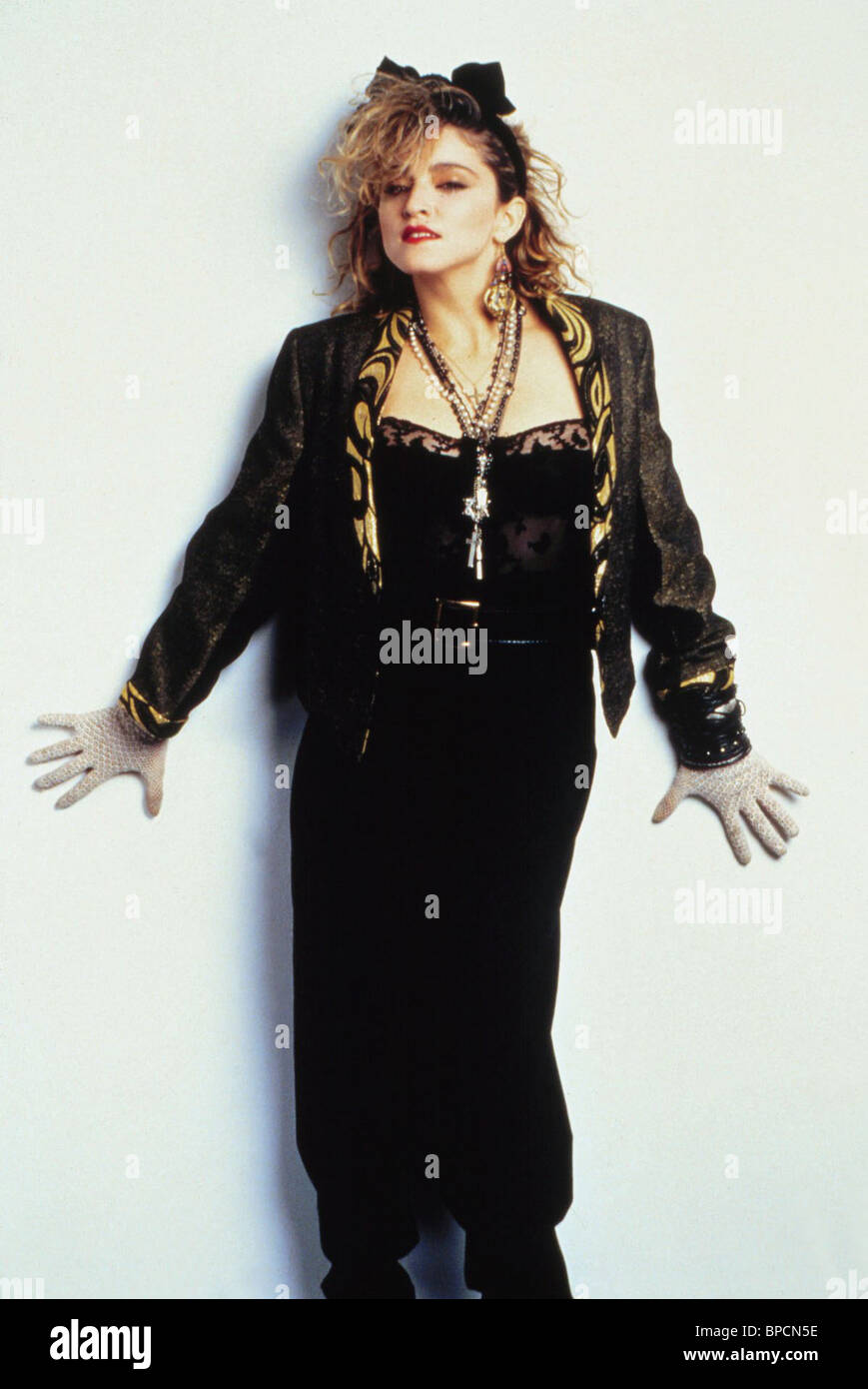
This look is a world away from the gritty, industrial aesthetic of Flashdance. Where Alex Owens's style felt accidental and utilitarian, Madonna's is deliberate, provocative, and decorative. She is not simply letting a bra strap show; she is wearing a bustier as her primary top. This was a bold and influential statement.
Let's look at how this specific costume choice came to be and its significance.
Remember when 'Desperately Seeking Susan' helped cement ...
A CNN Style article on the fashion of 'Desperately Seeking Susan' discusses how Madonna's personal style and the film's costume design converged to create this iconic look.
Read the two paragraphs starting with 'Madonna became an influential figure...' and 'The film’s costume and production designer Santo Loquasto...'. Pay attention to the explicit mention of 'underwear-as-outerwear' and the description of the bustier's construction.
The article highlights that this wasn't just a movie costume; it was an extension of Madonna's own groundbreaking style that played with layers, religious iconography, and the boundaries of underwear and outerwear. Your own experience in lingerie design will give you an appreciation for the detail that the bustier was actually two separate vintage pieces—a corset and a longline bra. This speaks to the DIY, layered aesthetic that defined 80s alternative fashion.
Synthesis: Two Paths to the Same Destination
So, how do these two seemingly different filmic examples—Flashdance and Desperately Seeking Susan—both contribute to the same trend?
| Feature | Flashdance (1983) | Desperately Seeking Susan (1985) |
|---|---|---|
| Garment Type | Athletic wear (sweatshirt, leotard) | Lingerie (bustier) |
| Aesthetic | Industrial, deconstructed, athletic | Punk-inspired, romantic, provocative |
| Bra Visibility | Incidental: A strap peeks out | Intentional: The lingerie is the top |
| Core Idea | Functional wear becomes fashion | Private wear becomes public |
Both films, in their own way, broke down the established rules of what could be worn where. Flashdance made it chic to look like you just left dance practice, while Desperately Seeking Susan made it cool to wear your lingerie on the outside. Together, they reflect a broader 80s cultural shift towards self-expression and body consciousness, where clothing, including undergarments, became a tool for crafting a bold public identity.
Key Takeaways
- The 1980s saw a major trend of bringing "private" clothing—athletic wear and lingerie—into public fashion.
- Flashdance was pivotal in popularizing athletic wear as outerwear. Its iconic off-the-shoulder sweatshirt made visible bra straps and leotards part of a mainstream fashion aesthetic.
- Desperately Seeking Susan, driven by Madonna's style, championed lingerie as outerwear, with garments like bustiers and corsets worn as tops.
- While their aesthetics differed (athletic vs. romantic/punk), both films challenged the conventional separation between innerwear and outerwear, paving the way for more explicit and visible uses of bra-related garments in fashion.
Next Lesson
This impulse to transform the bra from a functional undergarment into a powerful fashion statement would reach its zenith at the end of the decade. In our next lesson, we will focus on one of the most iconic bras in history: Madonna's Jean Paul Gaultier cone bra. We will analyze its design, its cultural impact, and how it solidified the "bra-as-outerwear" trend for the 1990s.