Introduction
Welcome to Module 10. In our previous module, you concluded by writing a powerful scene driven by the tension between the Prevention and Transparency paradoxes. That was an exercise in micro-level construction, focusing on how abstract concepts translate into the dialogue and internal monologue of a single, pivotal moment.
Today, we zoom out. We move from crafting individual bricks to designing the architectural blueprint for the entire story. This lesson addresses the first step in that process: selecting a primary technique from each of the first three frameworks (SCAMPER, Thought Experiments, and LAPS SEE) to form the core of your story's tension arc. Think of these three chosen techniques as the load-bearing walls of your narrative. They will provide the fundamental structure for the escalating friction your characters will experience.
1. The Role of Each Framework in Your Story
Before you choose your tools, let's briefly review what each framework is best suited for in the context of building a narrative arc. You're already familiar with the concepts, so our goal here is to think of them as different types of engines for your plot.
- SCAMPER (The Engine of Disruption): This framework is excellent for creating initial plot points, inciting incidents, and surprising twists. It works by taking an existing situation, character, or expectation and deliberately altering it. It's your go-to tool for asking "What if I broke the rules of this setup?"
- Thought Experiments (The Engine of Internal Conflict): This framework is ideal for exploring character psychology, motivation, and the consequences of their choices. It allows you to build the internal struggles that make your characters feel real and their decisions feel weighty. This is how you'll dramatize the husband's journey toward consent or the hinge's struggle to balance her loyalties.
- LAPS SEE (The Engine of Emergent Plot): This framework helps create an organic, evolving story world. Instead of forcing plot points, ideas and conflicts emerge naturally from the interaction of characters with each other and their environment. This is your tool for making the story feel less like a mechanical plot and more like a slice of life, where hunches, mistakes, and chance encounters lead to profound changes.
Your task now is to select one specific technique from each of these toolkits to serve as a cornerstone for your story's emotional journey.
2. Making Your Selections
Let's work through each framework one by one. For each, I'll ask you to choose the single technique that you believe will generate the most compelling tension for your vee relationship story.
Selection 1: The SCAMPER Catalyst
The first technique will likely define the story's inciting incident or a major turning point that kicks the central conflict into high gear. It's the event that disrupts the initial status quo.
Review the seven prompts of the SCAMPER method. Which one feels like the strongest starting point for your plot?

To help you decide, consider these questions applied to your story:
- Substitute: What if the husband, not the wife (Vera), is the one who wants to explore non-monogamy, substituting the expected dynamic?
- Combine: What if the husband's desire for more quality time with Vera is combined with Vera's desire for intimacy with her new lover (Leo), leading to a proposal for a weekend trip with all three?
- Reverse: What if an attempt at resolving a conflict (the effect) accidentally creates a new, deeper problem (the cause)? For example, a "clearing the air" conversation makes things much worse.
Your Task (10 minutes):
Review the SCAMPER techniques. Choose the one that you feel provides the most powerful and interesting catalyst for your story's primary conflict. In your notes, write down the technique and a one-sentence description of how it would kick off the story. For example: "I choose Combine. The story begins when the husband and Leo's conflicting desires for Vera's time are combined into a single, tense family dinner invitation."
If you'd like a more detailed refresher, you can revisit the article "The SCAMPER Method: A Creative Blueprint for Filmmakers" (resource LINK), especially the section with film examples.
Selection 2: The Thought Experiment Core
Next, you will select the thought experiment that defines the central psychological struggle of one of your main characters—likely the husband or Vera. This technique will be the engine of your story's internal conflict, driving their decisions as they navigate the situation created by your SCAMPER catalyst.
Your options are:
- Semifactual: "Even if..." (Exploring consequences despite a fixed event).
- Counterfactual: "What if..." (Imagining a different past).
- Predictive: "If... then..." (Forecasting future outcomes).
- Prefactual: "If I do X, what will happen?" (Weighing potential futures before a decision).
- Backcasting: Starting from the desired outcome (consented intimacy) and working backward to identify necessary steps.
For instance, if the husband's central struggle is regret and jealousy, Counterfactual thinking ("What if I had never agreed to this?") would be a powerful engine for his internal conflict.
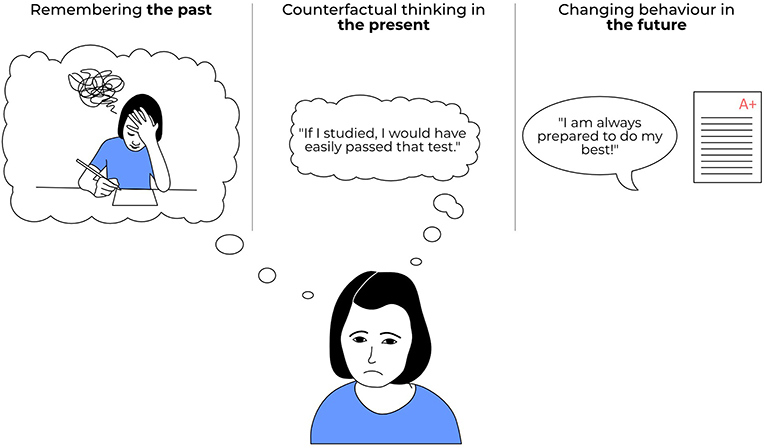
If Vera's struggle is the main focus, Prefactual thinking would be a natural choice, as she constantly weighs the imagined consequences of her actions on both her husband and her lover.
Your Task (10 minutes):
Choose the one thought experiment technique that will define the core internal conflict for your protagonist or antagonist. In your notes, identify the technique, the character it applies to, and the central question they will be grappling with. For example: "I choose Prefactual for Vera. Her core struggle will be constantly asking, 'If I tell my husband the full truth right now, will it bring us closer or break us apart?'"
Selection 3: The LAPS SEE Engine of Development
Finally, select the LAPS SEE concept that will govern how your plot unfolds and develops over time. This technique will ensure your story feels organic and emergent.
To refresh your memory on these concepts, let's turn to the ideas of Steven Johnson.
Where Good Ideas Come From | Steven Johnson | Talks at Google
This clip from the talk 'Where Good Ideas Come From' provides an excellent explanation of the 'Slow Hunch'—the idea that major breakthroughs don't happen in a flash, but emerge slowly over time. This is a fantastic model for character development and realization.
Please watch from 12:09 to 15:16. Pay close attention to how Darwin's idea for natural selection wasn't a single 'eureka moment' but a concept he couldn't 'fully think yet.' This is a perfect parallel for a character slowly realizing a deep truth about their own desires or relationship.
Here are your key options from the LAPS SEE framework:
- Liquid Network: The plot develops through characters' interactions within a specific social environment (e.g., a polyamory discussion group, a circle of close friends) where ideas are exchanged and new pressures arise.
- Slow Hunch: The story's tension comes from a character (perhaps Vera or her husband) gradually becoming aware of a deep-seated feeling or desire that they initially can't articulate. The plot follows their slow journey toward this realization.
- Serendipity/Error: The plot is driven by chance encounters or mistakes. An accidental discovery or a misunderstanding sends the story in a new, unforeseen direction.
- Exaptation: An element of the story is repurposed. For example, a "rule" created to provide security is later used by a character as a weapon to create insecurity.
Your Task (10 minutes):
Choose the one LAPS SEE technique that will best describe the process by which your story's conflict evolves. In your notes, write down the technique and a sentence describing its function. For example: "I choose Slow Hunch. The story's arc will follow the husband as he moves from vague unease to a clear, articulated understanding of what he needs to feel secure, which is different from what he initially thought."
3. Writing Exercise: Defining Your Narrative Core (15 minutes)
You have now selected three foundational techniques. Your final task in this lesson is to synthesize them into a coherent statement that describes the core of your story's emotional arc.
Instructions:
Write a single paragraph (150-200 words) that connects your three chosen techniques. Explain how they will work together to create and escalate tension, leading toward the final resolution. Use the following template as a guide:
The story's central tension will be kicked off by [Your chosen SCAMPER technique], when [describe the inciting event]. This will immediately plunge [Character Name] into a state of [Your chosen Thought Experiment technique], forcing them to constantly grapple with [describe the core internal conflict/question]. The plot will then develop organically through [Your chosen LAPS SEE technique], as [describe how the plot evolves over time, e.g., the character slowly realizes a truth, chance encounters change things, etc.]. This combination will drive the characters toward the final crisis point where consent must be confronted.
This exercise will form the conceptual backbone for the detailed outlining we will do in the upcoming lessons.
Conclusion
Excellent work today. You have moved from the granular level of scene construction to the architectural level of story design. By selecting one key technique from SCAMPER, Thought Experiments, and LAPS SEE, you have made crucial decisions about the fundamental structure of your narrative.
Key Takeaways:
- A compelling story arc can be intentionally designed by selecting a few complementary techniques to serve as its core engines.
- SCAMPER provides the disruptive catalyst.
- Thought Experiments provide the engine for psychological depth and internal conflict.
- LAPS SEE provides the mechanism for organic, emergent plot development.
Preview of the Next Lesson
You have now chosen your three "load-bearing walls." In our next lesson, we will build upon this foundation. Your next task will be to outline how these selected techniques combine to create layered friction between the three main characters. We will move from the high-level concept you articulated today to a more detailed map of how these forces interact to generate specific moments of tension in your story.