Hello! Welcome to the first lesson in our new module, "Evoking Emotion and Theme."
In the previous module, we focused on the craft of storytelling—how to use literary devices like metaphor, symbolism, and alliteration to make your language more impactful. You practiced this by writing a 100-word brand story, learning to make every word count.
Now, we shift from the how to the why. This module is about crafting the heart of your narrative. We'll explore what makes a story resonate on a deeper, emotional level. To begin, we will tackle one of the most fundamental concepts in all of storytelling: theme.
Today's lesson addresses the learning outcome: Define 'theme' and its function in unifying a narrative with a core message. Understanding theme is the key to moving beyond simply telling stories to communicating a powerful, coherent message that builds a brand's identity and connects with an audience's values.
1. Defining Theme: The Heart of the Story
At its core, a theme is the central idea, lesson, or message that a story explores. It's not what happens in the story (that's the plot), but what the story is about on a deeper, more universal level. A strong theme is what makes a story feel meaningful and memorable long after the final word.
To get a clear and comprehensive definition, let's start with a well-structured article.
Theme - Definition and Examples
The article 'Theme - Definition and Examples' from LitCharts provides an excellent foundation. It defines theme and distinguishes it from plot and character.
Please read the section 'Theme Definition' and the section 'What's the Function of Theme in Literature?'. Focus on the concept of universality—how a theme expresses a broader truth about human experience.
Now, let's watch a video that visualizes this concept and brings it to life with examples from film.
What is Theme — 5 Ways to Layer Theme into a Screenplay
The video 'What is Theme' from StudioBinder does a great job of illustrating how theme operates as the 'central and unifying idea' in a story.
Watch the video from the beginning until 03:29. Pay close attention to how it differentiates theme from plot using the example of Jurassic Park and how it explains that a single story can explore multiple themes.
As both resources highlight, the theme provides the story's significance. The plot of Jurassic Park is about people trying to survive on an island of dinosaurs. But its central theme is an exploration of the dangers of "playing God" and the conflict between humanity and nature. This underlying message is what gives the story its depth and resonance.
2. Distinguishing Theme from Topic, Plot, and Moral
One of the biggest challenges in understanding theme is that the word is often confused with other narrative elements like topic, plot, or moral. Clarifying these differences is essential for using theme effectively in your branding.
A common mistake is to state a theme as a single word. For instance, saying a story's theme is "love." This is not a theme; it's a topic. A theme is what the story says about love.
This short video, 'How To Find A Theme,' clearly explains this crucial distinction.
Watch from 00:17 to 01:48. Notice the difference between a subject (e.g., revenge) and a theme (e.g., revenge destroys everything and everyone).
This distinction between a general topic and a specific thematic statement is vital.
- Topic/Thematic Concept: A broad, one-word subject (e.g., Freedom, Justice, Belonging).
- Thematic Statement: A specific argument or point of view about that topic (e.g., "True freedom requires personal responsibility").
When crafting a brand story, aiming for a clear thematic statement ensures your message is sharp and intentional, not vague.
The following resource provides a fantastic breakdown of what theme is—and what it is not.
Understanding Story Theme: What It Is and Isn't
The article 'Understanding Story Theme' from My Story Doctor is excellent for clearing up common misconceptions.
Please read the sections 'What Theme Is Not' and 'Theme vs. Topic vs. Moral'. The table comparing these three elements using a single story idea is particularly helpful for clarifying the differences.
As the article makes clear, a moral is a direct lesson ("Never trust anyone during war"), whereas a theme is an exploration of a complex idea ("Betrayal by those we love wounds deeper than battle"). In modern branding, audiences often resist being preached to with simple morals. A well-explored theme, however, invites the audience to reflect and connect with the brand on a deeper level.
Test your understanding!
Consider the outdoor apparel brand Patagonia.
- Its actions: The company famously ran a "Don't Buy This Jacket" ad campaign, encourages repairing clothes instead of replacing them, and donates 1% of sales to environmental groups.
- A core slogan: "We're in business to save our home planet."
Based on this, identify a topic and then formulate a potential thematic statement for the Patagonia brand.
Show answer
- Topic: Sustainability, environmentalism, or responsible consumerism.
- Potential Thematic Statement: True commitment to the environment means challenging the cycle of consumption and prioritizing the planet's health over short-term profit.
Notice how the thematic statement is a full sentence that expresses a specific, actionable point of view, while the topic is just a general subject area.
3. The Function of Theme: The Unifying "Controlling Idea"
Now we arrive at the second part of our learning outcome: the function of theme. A theme isn't just an interesting idea floating in the background; it is the narrative's organizing principle. It acts as a "north star" that guides every creative decision, from the plot's direction to the characters' motivations and even the setting's mood.
The screenwriter and author Robert McKee calls this the "Controlling Idea," which perfectly captures its function. The theme controls and unifies the story.
What is Theme — 5 Ways to Layer Theme into a Screenplay
Let's return to the StudioBinder video, which discusses this unifying function.
Watch the segment from 03:29 to 04:39. Pay attention to how it describes the theme as an 'anchor for everything else in the story'—plot, characters, and dialogue.
When a story is unified by a clear theme, every part feels connected and purposeful. This is incredibly important in branding. A brand doesn't just tell one story; it tells many across different platforms—ads, blog posts, social media, customer testimonials, and founder stories.
For these stories to build a coherent brand identity, they must all be unified by a central theme or a set of core themes. This theme is a foundational element of your overall Brand Narrative.
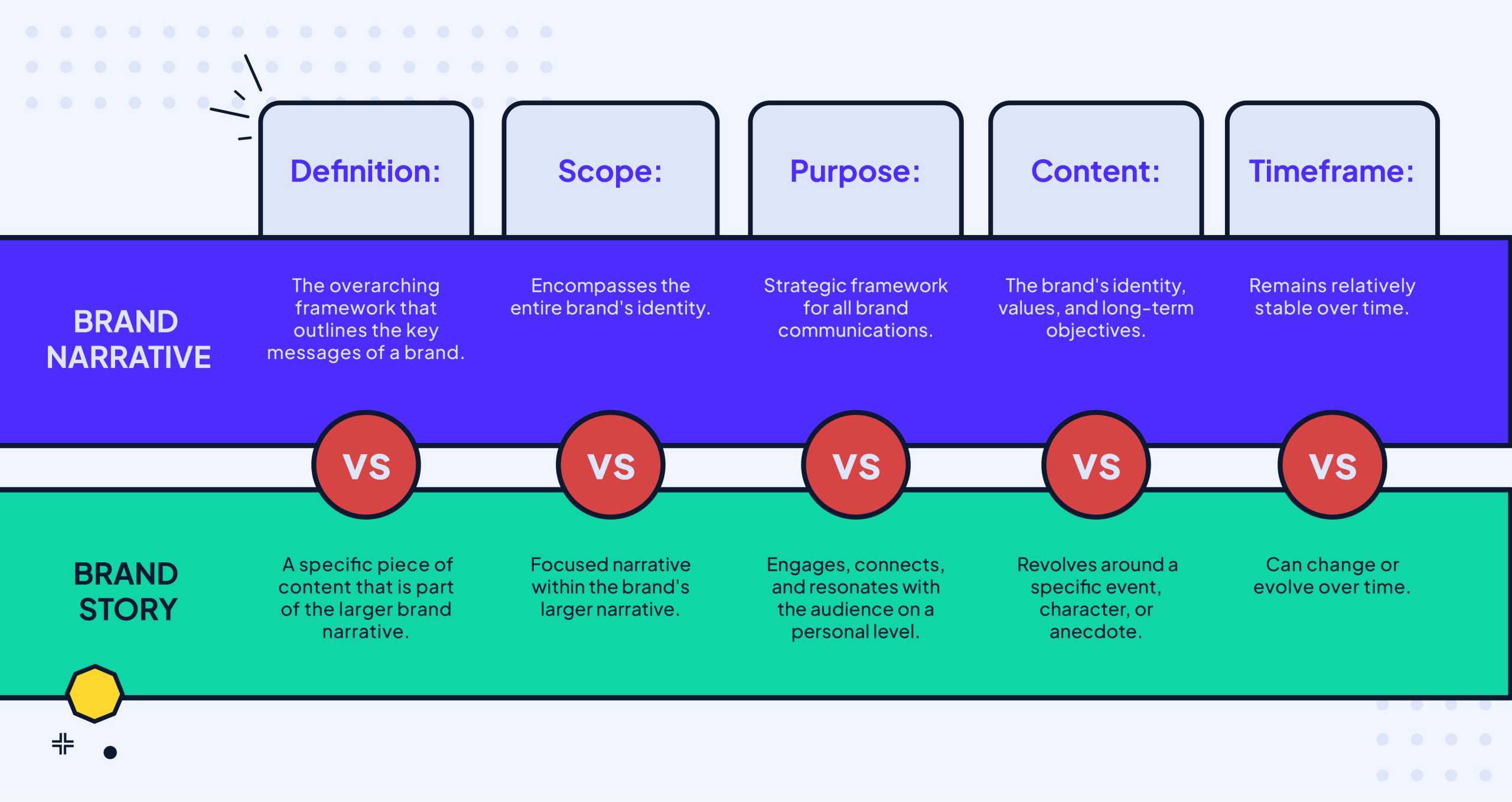
As the chart shows, the overarching "Brand Narrative" is the strategic framework built on your brand's identity, values, and purpose. Your theme is the essence of this narrative. It ensures that every individual "Brand Story" you tell—whether it's a 30-second ad or a detailed customer case study—reinforces the same core message.
For example, if a brand's theme is "Empowering creativity in everyone," then:
- An ad might show a child making art with their product.
- A blog post could feature an interview with a professional artist.
- A social media campaign might encourage users to share their own creations.
Each is a different story, but they all serve the same unifying theme, building a powerful and consistent brand message.
Conclusion
In this lesson, we have defined theme and explored its critical function in creating powerful, unified narratives. This concept is the bridge between simply telling a story and communicating a message with purpose and impact.
Key Takeaways:
- Theme is the central, universal idea or message that a story explores. It's what the story is truly about.
- Theme is distinct from topic (a general subject) and moral (a simple lesson). A strong theme is a thematic statement—a specific point of view on a topic.
- The primary function of a theme is to unify a narrative. It acts as a "Controlling Idea" that gives coherence to the plot, characters, and dialogue.
- In branding, a core theme is essential for a consistent Brand Narrative, ensuring that all individual brand stories work together to communicate a single, powerful message.
Preview of the Next Lesson:
Now that you can define theme and its function, our next step is to explore which themes are most effective. In the next lesson, we will identify universal themes—such as the desire for belonging, mastery, or freedom—that resonate deeply with audiences and learn how to align them with a brand's core values.