Hello! Welcome to the third lesson in our module, "Evoking Emotion and Theme."
In our last lesson, we explored the "what" of resonant storytelling by identifying universal themes and using the 12 Brand Archetypes as a framework to tap into them. You learned that stories built on themes like belonging, mastery, or freedom connect with audiences on a fundamental level.
Today, we move from the "what" to the "why" and "how." Our goal is to explain the relationship between emotion and memory in creating lasting brand impressions. We will delve into the science behind why an emotional story is a memorable story. You'll discover that emotion isn't just a decorative element in branding; it's a biological mechanism essential for capturing attention, building memories, and ultimately, earning a lasting place in your audience's mind.
1. The Brain's Preference for Story
Why do our brains seem to prioritize stories over dry facts? The answer lies in how we are wired to make sense of the world. Stories are not just entertainment; they are the brain's native language for processing information, and emotion is the key that unlocks this process.
To start, let's explore the concepts of engagement and influence from a neurological perspective.
The video 'Your Brain on Story' by Stanford professor and storyteller Kendall Haven provides a compelling introduction to why stories have such a profound effect on us. It explains how emotional engagement is the gateway to influencing an audience.
Please watch the segment from 04:55 to 07:22. Pay close attention to how Haven defines 'engagement' as 'emotionally laden attention' and how it acts as a prerequisite for 'influence'—changing attitudes, beliefs, and behavior.
As the video highlights, information alone will never fully engage an audience. To capture what Haven calls "emotionally laden attention," your narrative needs to be personal and create an emotional connection. This engagement is the essential first step to creating a lasting impression. But how does that emotional connection translate into a durable memory?
2. How Emotion Cements Memory
When you experience an event accompanied by a strong emotion—whether it's joy, fear, surprise, or inspiration—your brain essentially puts a flag on that memory, marking it as "important, save this." This isn't just a metaphor; it's a biological process.
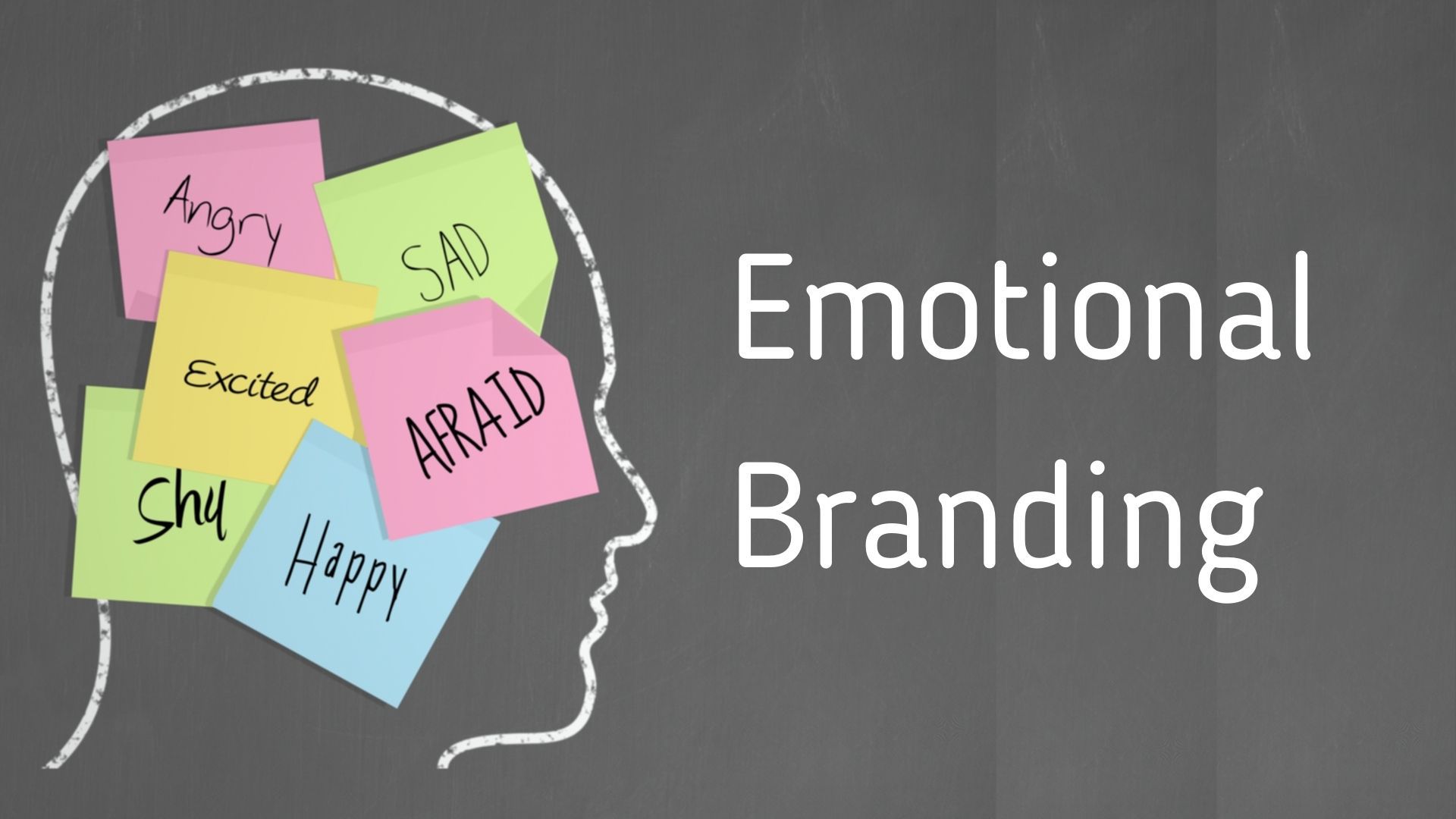
Let's look at the science behind this.
Brand Emotional Narrative Triggers for Storytelling
The article 'Brand Emotional Narrative Triggers for Storytelling' from Octopus Marketing provides a clear and accessible explanation of the neuroscience behind emotional engagement.
Please read the sections 'Understanding Emotional Narrative Triggers' and 'The Science Behind Emotional Engagement'. Focus on how the brain's limbic system, particularly the amygdala (emotion center) and hippocampus (memory center), work together. Note the role of neurotransmitters like dopamine and oxytocin.
To summarize the key mechanism:
- Emotion as a Trigger: An emotional stimulus activates the amygdala, your brain's emotional processing center.
- Memory Encoding: The amygdala then signals the hippocampus, which is responsible for forming new memories, to strengthen the encoding of this particular experience. Think of the amygdala as telling the hippocampus, "Pay attention! This is important."
- Chemical Reinforcement: This process is reinforced by neurotransmitters. Dopamine sharpens focus and enhances recall, while oxytocin fosters feelings of trust and empathy. This chemical cocktail helps "glue" the memory in place.
Because of this, emotionally charged experiences are not just remembered more vividly; they are encoded more deeply and resist forgetting. As the article "The Neuroscience of Brand Loyalty" notes, narrative processing can create memory representations that are up to 22 times more resilient than presenting the same information as facts. This is the scientific basis for creating lasting brand impressions.
Test your understanding!
Think of a brand advertisement or story that has stuck with you for years. It could be from your childhood or from last week.
- What was the core emotion you felt while watching it? (e.g., humor, inspiration, nostalgia, sadness, excitement)
- How do you think that specific emotion made the brand's message more memorable compared to if they had just listed product features?
Show answer
There's no single right answer here, as it's personal to your experience. However, a strong answer would connect a specific emotion to the memory's durability.
For example: "I vividly remember the 1990s Nike commercials with Michael Jordan. The emotion was inspiration. Watching him overcome failures and push his limits didn't just tell me Nike sold shoes; it made me feel the brand stood for perseverance and greatness. That feeling is far more memorable than knowing the shoe's sole was made of a specific material. The emotion of inspiration 'stamped' the brand's core message—'Just Do It'—into my memory."
3. Selling a Feeling, Not Just a Product
Now that we understand the neurological link between emotion and memory, let's see how this plays out in modern branding. Successful brands rarely lead with technical specifications or functional benefits. Instead, they sell a feeling, an identity, or a sense of belonging. They create an emotional experience that becomes associated with their product.
This video breaks down this strategy with excellent contemporary examples.
The Art of Selling a Feeling: The Rise of Consumer Goods Marketing
The video 'The Art of Selling a Feeling' by Kenny Ohata explores how modern consumer brands have mastered the art of emotional marketing, creating deep connections that transcend the physical product.
Please watch from 00:10 to 09:13. Notice how brands like Graza and Liquid Death don't sell olive oil or water; they sell an aspirational lifestyle or a rebellious identity. Pay attention to the point about making purchasing decisions with our emotional brain first.
The video makes a crucial point: consumers make purchasing decisions in their emotional brain and then justify those decisions with their rational brain. Your job as a brand storyteller is not to win a logical argument, but to win an emotional one.
This brings us back to a powerful concept from our first video: residual emotion. Kendall Haven, in "Your Brain on Story," found that the single greatest factor driving a story's influence and memorability is the residual emotion the audience is left with after the story ends.
This is the lasting brand impression. It's not the plot details of your ad that people will remember a year later. It's the feeling of inspiration, the laugh they had, the sense of comfort, or the spark of rebellion. That feeling becomes inextricably linked to your brand.
Conclusion
Today we've uncovered the powerful and scientifically-backed relationship between emotion and memory. You've learned that building a lasting brand impression is not about shouting the loudest, but about connecting the deepest.
Key Takeaways:
- Emotion Drives Attention: The brain is wired to pay attention to emotionally significant information. Engagement is "emotionally laden attention."
- Emotion Cements Memory: The amygdala (emotion) and hippocampus (memory) work together to ensure that emotionally charged experiences are encoded into strong, long-term memories.
- Brands Sell Feelings: People don't buy products; they buy better versions of themselves. Modern brands succeed by selling feelings like confidence, belonging, or rebellion.
- Residual Emotion is the Goal: The lasting impression a brand story creates is the "residual emotion" it leaves with the audience. This feeling is what shapes perception, builds loyalty, and sticks in memory.
Preview of the Next Lesson:
We now understand what themes resonate and why emotion makes them memorable. But audiences are savvy; they can spot an inauthentic emotional appeal from a mile away. To build true connection and trust, the emotions a brand evokes must be genuine. In our next lesson, we will focus on this challenge by learning how to align a brand's core values with a universal theme to build an authentic narrative.