Hello! Welcome to our lesson on one of Ayurveda's most profound therapeutic procedures.
In our last session, we focused on Shamana Chikitsa (palliative therapy), selecting Ropana (healing) drugs to manage Parinama Shula (peptic ulcer disease). We learned to heal the damaged mucosa through a targeted, soothing approach. Today, we elevate our strategy from palliative care to purification by exploring Shodhana Chikitsa.
Our learning outcome is to compare the therapeutic rationale of Virechana (purgation) with the modern understanding of modulating gut inflammation. This is a crucial step in understanding how Ayurveda addresses the root cause of chronic inflammatory conditions like Inflammatory Bowel Disease (IBD), moving beyond mere symptom management. You will bridge the gap between ancient wisdom and modern immunology, a key aspect of your goal to integrate these two systems of medicine.
1. The Classical Rationale: Why Purge for Inflammation?
As you know from your BAMS studies, Virechana is the administration of purgative substances for the elimination of toxins and vitiated Doshas through the lower pathways. While it might seem aggressive, its application in inflammatory conditions is highly specific and philosophically grounded.
Virechanam Ayurvedic Treatment
To start, let's revisit the fundamental principles and the modern interpretation of Virechana's action. This article from Avanika Ayurvedic provides a concise yet insightful overview.
Please read the sections 'What is Virechanam?' and the paragraphs under it, down to 'From a modern viewpoint'. Focus on its primary role in eliminating Pitta dosha and the explanation of its action on a cellular level.
Based on this reading and your existing knowledge, the classical rationale for using Virechana in inflammatory diseases can be summarized by these core principles:
- Pitta Nirharana (Expulsion of Pitta): Inflammation, with its characteristics of heat (Ushnata), redness (Rakta Varna), and burning sensation (Daha), is the quintessential manifestation of aggravated Pitta Dosha. Virechana is the definitive treatment (Pradhana Karma) for Pitta because it targets its primary sites—the small intestine (Grahani), liver (Yakrit), and spleen (Pliha)—and expels the excess Pitta from the body, rather than just pacifying it.
- Ama Shodhana (Clearing Metabolic Toxins): Chronic inflammation is often rooted in the accumulation of Ama (undigested metabolic waste), which obstructs channels (Srotas) and triggers immune reactions. Virechana powerfully clears the gastrointestinal tract, the primary site of Ama formation, thereby removing the substrate for disease.
- Agni Deepana (Restoration of Digestive Fire): By clearing the channels and removing the Dosha overload, Virechana creates the optimal condition for Agni (digestive and metabolic fire) to regain its normal function. The post-therapy dietary regimen, Samsarjana Krama, is specifically designed to rebuild Agni systematically.
- Vatanulomana (Restoring Downward Flow): In many digestive disorders, the normal downward flow of Vata is obstructed or reversed, causing symptoms like bloating and pain. Virechana forcefully re-establishes this proper downward movement, providing symptomatic relief and restoring normal gut motility.
It is crucial to remember that Virechana is not a standalone event. The preparatory phases (Poorva Karma) of Snehapana (internal oleation) and Swedana (sudation) are vital for liquefying and moving the deep-seated Doshas from the peripheral tissues (Shakha) into the GI tract (Koshtha) for successful elimination.
2. The Modern View: Modulating Gut Inflammation
Modern immunology understands gut inflammation, particularly in IBD, as a complex interplay of genetic predisposition, environmental factors, and a dysregulated immune response to the gut microbiota.
Key factors include:
- Gut Dysbiosis: An imbalance in the gut microbial community, with a decrease in beneficial species (like Bifidobacterium, Lactobacillus) and an increase in pro-inflammatory pathogenic or pathobiont species (like certain strains of E. coli).
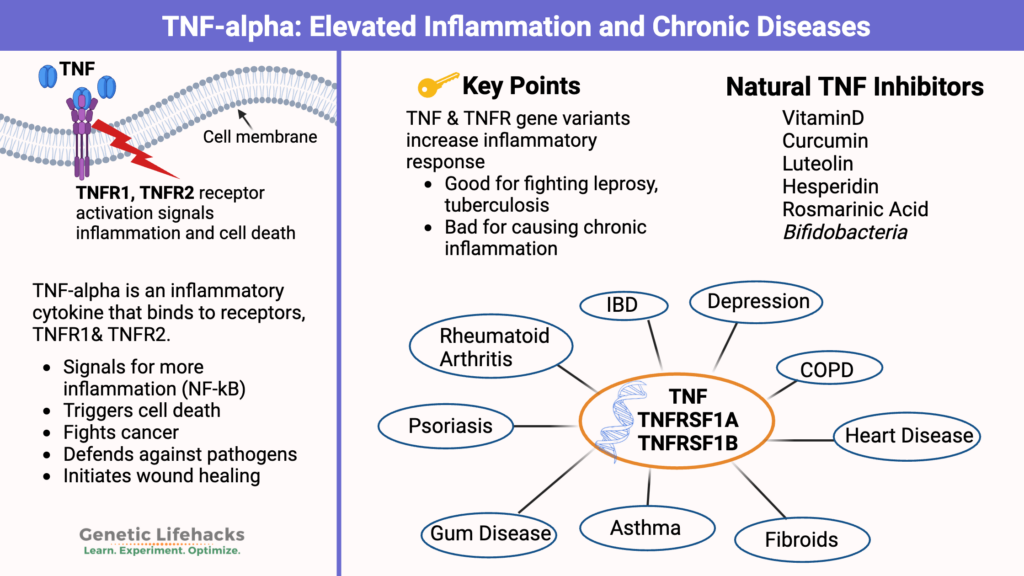
- Immune Dysregulation & Inflammatory Cytokines: The gut's immune system mistakenly attacks harmless gut microbes, releasing a cascade of inflammatory signalling molecules called cytokines. Tumor Necrosis Factor-alpha (TNF-α) is a primary driver of this process in IBD.
- Impaired Gut Barrier Function: Often called "leaky gut," the intestinal lining becomes more permeable. This allows bacterial components like lipopolysaccharides (LPS) to leak into the bloodstream, triggering widespread inflammation.
The goal of modern therapy is to break this cycle by suppressing the immune system, reducing inflammatory cytokines, and more recently, by modulating the gut microbiome.
3. Bridging the Rationale: From Pitta to Cytokines
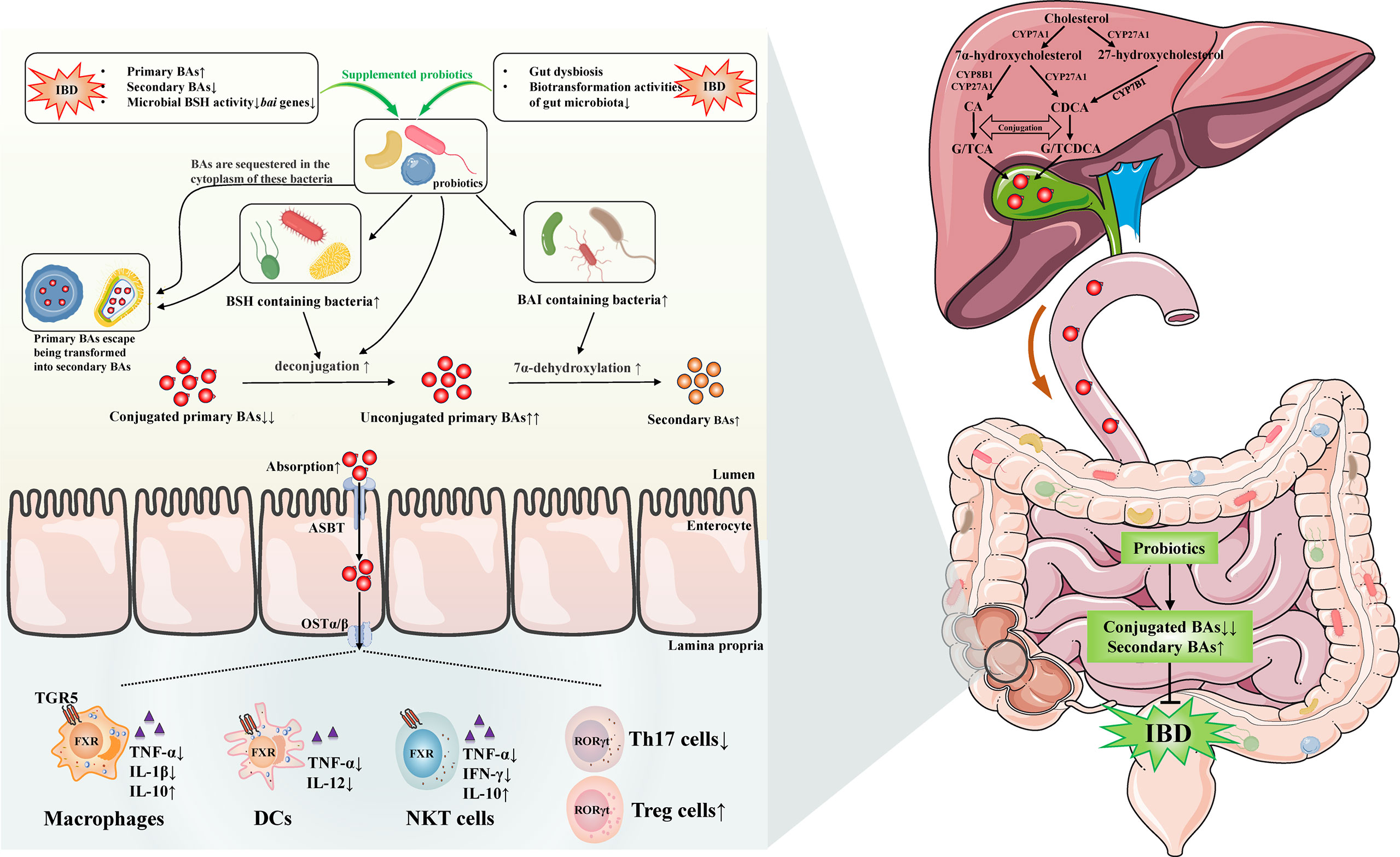
So, how does the classical action of Virechana align with the modern goal of modulating gut inflammation? The connection is increasingly being found in the gut microbiome. Virechana can be seen as a profound "microbiome reset."
Let's explore the evidence and build the connections.
Review Article on Gut Microbiota and Ayurveda
This review article published in IJRAP provides direct evidence and hypotheses about how Panchakarma, and specifically Virechana, impacts the gut microbiome.
Please read the two paragraphs describing Virechana Karma. The first begins 'Virechana, a purgative therapy...'. The second begins 'Virechana Karma, an ayurvedic therapeutic purgation...'. Focus on the reported effects on specific bacteria (like E. coli) and the hypothesized impact on the gut environment.
The information from these resources allows us to draw powerful parallels:
Parallel 1: Ama Shodhana as a Microbiome Reset
- Ayurvedic Rationale: Virechana performs Ama Shodhana by physically expelling accumulated toxins.
- Modern Correlation: The "physical clearing" described in the review (LINK) directly correlates with reducing the load of pathogenic bacteria. The clinical study mentioned, which found a significant reduction in Escherichia coli, provides a tangible link. Certain E. coli strains are known pathobionts that thrive in the inflamed gut of IBD patients. By reducing their population, Virechana removes a primary trigger of inflammation.
Parallel 2: Pitta Nirharana as Immune Modulation
- Ayurvedic Rationale: Virechana expels excess Pitta, the principle of heat and inflammation.
- Modern Correlation: This is a multi-step process:
- Reducing Inflammatory Triggers: By removing pathogenic bacteria, Virechana reduces the source of antigens and endotoxins (LPS) that provoke the immune system.
- Fostering an Anti-inflammatory Environment: The review (LINK) hypothesizes that clearing pathogens facilitates the growth of beneficial bacteria like Lactobacillus and Bifidobacterium. As we saw in the TNF-alpha diagram (LINK), Bifidobacteria are natural inhibitors of this key inflammatory cytokine.
- Altering Metabolic Signaling: A healthier microbiome produces beneficial metabolites like Short-Chain Fatty Acids (SCFAs). These SCFAs signal to immune cells to become more regulatory and less inflammatory.
Parallel 3: Samsarjana Krama as Strategic Recolonization
- Ayurvedic Rationale: The post-Virechana diet, Samsarjana Krama, gradually rebuilds Agni and digestive strength.
- Modern Correlation: This phase is critical. After the gut has been "emptied," Samsarjana Krama acts as a strategic prebiotic and dietary intervention. It starts with simple gruels and progressively introduces more complex foods. This carefully controlled diet selectively favors the regrowth of beneficial, fiber-fermenting microbes, creating a stable, resilient, and anti-inflammatory gut ecosystem (eubiosis). It's the opposite of allowing a random, chaotic regrowth of microbes.
Test your understanding!
A gastroenterologist is skeptical about recommending Virechana for a patient with well-managed but persistent Ulcerative Colitis. They state, "Inducing diarrhea seems counterproductive and will likely worsen the inflammation."
How would you explain the therapeutic rationale of Virechana to your colleague, using concepts from this lesson to bridge the Ayurvedic and modern perspectives? Frame your answer as a professional dialogue.
Show answer
You might say: "I understand your concern. From a purely symptomatic view, it does seem counterintuitive. However, the Ayurvedic rationale for therapeutic purgation, or Virechana, is not simply to induce diarrhea but to fundamentally reset the gut's immune and microbial environment.
From an Ayurvedic perspective, we are performing Pitta Nirharana—eliminating the deep-seated 'heat' or pro-inflammatory principle.
From a modern perspective, this correlates with several mechanisms:
- Microbial Reset: It's a powerful method to reduce the load of pathogenic bacteria, like pro-inflammatory E. coli, which are known triggers in colitis. Studies suggest Virechana significantly alters the gut microbiome.
- Immune Modulation: By removing these triggers and creating space for beneficial microbes like Bifidobacteria to flourish, we indirectly modulate the immune response. These beneficial bacteria are known to produce anti-inflammatory compounds and can help downregulate inflammatory pathways, potentially even reducing levels of cytokines like TNF-alpha.
- Strategic Recolonization: The procedure is always followed by a specific dietary protocol called Samsarjana Krama. This isn't just a recovery diet; it's a therapeutic tool to selectively repopulate the gut with beneficial flora, essentially guiding the microbiome towards a healthier, more resilient state.
So, while it's a powerful intervention, it’s a controlled, multi-stage process designed to break the chronic inflammatory cycle at its root, rather than just manage symptoms."
Conclusion
Today, we have connected the dots between an ancient purification therapy and cutting-edge immunology. We've seen that Virechana is far from a simple purgative; it is a sophisticated therapeutic process aimed at fundamentally altering the pathological environment of the gut.
Key Takeaways:
- The classical rationale for Virechana in inflammatory disorders is to perform Dosha Nirharana (especially of Pitta), clear Ama, and restore Agni.
- The modern understanding of gut inflammation centres on dysbiosis, immune dysregulation (e.g., high TNF-alpha), and impaired barrier function.
- The therapeutic action of Virechana can be correlated with a "microbiome reset": it physically reduces pathogenic bacterial load and, through the subsequent Samsarjana Krama, facilitates the strategic regrowth of an anti-inflammatory microbial community.
- This microbiome modulation provides a plausible mechanism for reducing the inflammatory triggers that drive conditions like IBD, effectively bridging the concept of Pitta Shodhana with modern immune modulation.
Preview of the Next Lesson:
We have established the compelling rationale behind using a complex Ayurvedic intervention for inflammatory gut disease. But how do we know it works in a real-world clinical setting? In our next lesson, we will transition from theory to practice by learning to interpret a clinical trial on an Ayurvedic intervention for ulcerative colitis, equipping you with the skills to critically appraise the evidence for yourself.