Welcome back! In our last session, you masterfully moved from using evidence to critiquing it, appraising a research paper on Kampavata (Parkinson's disease) and proposing a methodologically sound follow-up study. This solidified your ability to engage with research on a critical level, a vital skill for treating disease.
Today, we shift our focus from disease management to the proactive cultivation of health and longevity. This lesson fulfills the learning outcome: Formulate a personalized Rasayana therapy plan for a patient based on Prakriti, Vikriti, and specific health goals. We will explore how to design a comprehensive rejuvenation program that is not one-size-fits-all, but is meticulously tailored to an individual's unique constitution, current imbalances, and life goals.
1. Understanding Rasayana: The Science of Rejuvenation
Before we can personalize a plan, we must have a clear understanding of what Rasayana therapy entails. It is one of the eight major branches of Ayurveda (Ashtanga Ayurveda) and is dedicated to the promotion of long, healthy, and vibrant life.
To begin, let's watch a video that provides an excellent overview of the core concepts.
The Concept of Rasayana: Preventive Medicine in Ayurveda
This video, 'The Concept of Rasayana' from the NIMHANS Department of Integrative Medicine, clearly defines Rasayana, its goals, and its primary classifications.
Please watch the following segments: Definition and Goals of Rasayana (02:29 - 04:46): Pay close attention to the etymology (Rasa + Ayana) and the primary benefits, such as longevity (Dirghayu), improved memory (Smriti, Medha), and disease resistance (Roga Apaharana Samarthyam). Classifications of Rasayana (05:57 - 12:50): Focus on understanding the different categories: By method: Kutipraveshika (intensive, indoor) vs. Vatatapika (less intensive, outdoor). By purpose: Kamya (promotive), Naimittika (curative/disease-specific), and Ajasrika (daily regimen). This will give us a strong conceptual foundation.
As the video explains, Rasayana is far more than just taking herbal supplements. It's a holistic strategy that can be classified in several ways. For practical clinical application, the most useful classifications are based on purpose (Kamya, Naimittika, Ajasrika) and form, which includes:
- Aushadha Rasayana: Rejuvenation through medicinal herbs and formulations.
- Ahara Rasayana: Rejuvenation through diet and nutrition.
- Achara Rasayana: Rejuvenation through lifestyle and ethical conduct.
A truly personalized plan must incorporate all three forms.
2. The Art of Personalization: Key Parameters
The effectiveness of Rasayana therapy lies in its precise application. We do not give the same herbs to everyone. The selection process is a multi-factorial analysis based on the individual.
The Prerequisite: Shodhana (Purification)
A critical, often overlooked principle is that rejuvenation cannot be fully effective in a body laden with toxins (Ama) and obstructed channels (Srotorodha). Therefore, Rasayana therapy is ideally administered after the body has been purified.
The Ayurvedic Rasayana Arsenal - ijrpr
The paper 'The Ayurvedic Rasayana Arsenal' provides a superb explanation of why purification is the essential first step.
Please read section 3.3 The Foundational Role of Shodhana (Purification) in Eliminating Accumulated Toxins. Focus on how this two-step approach—elimination followed by rejuvenation—provides a sophisticated strategy for clearing metabolic wastes and even modern environmental toxins before rebuilding tissue health.
This preparatory phase of Shodhana (e.g., Panchakarma) ensures that the subsequent Rasayana herbs are better absorbed and can reach the deepest tissue levels to exert their effects.
The Core Parameters: Prakriti, Vikriti, and Vaya (Age)
With the body prepared, we can select the appropriate Rasayana based on three key factors:
-
Prakriti (Constitution): This is your inherent, lifelong psycho-physiological constitution, determined by the dominant Doshas at the time of your conception. It represents your natural state of balance and your inherent strengths and weaknesses.
-
Vikriti (Current Imbalance): This is the current state of the Doshas, reflecting any deviations from your Prakriti. It is dynamic and represents the "state of the disease" or current health concern. A successful plan must primarily address the Vikriti.
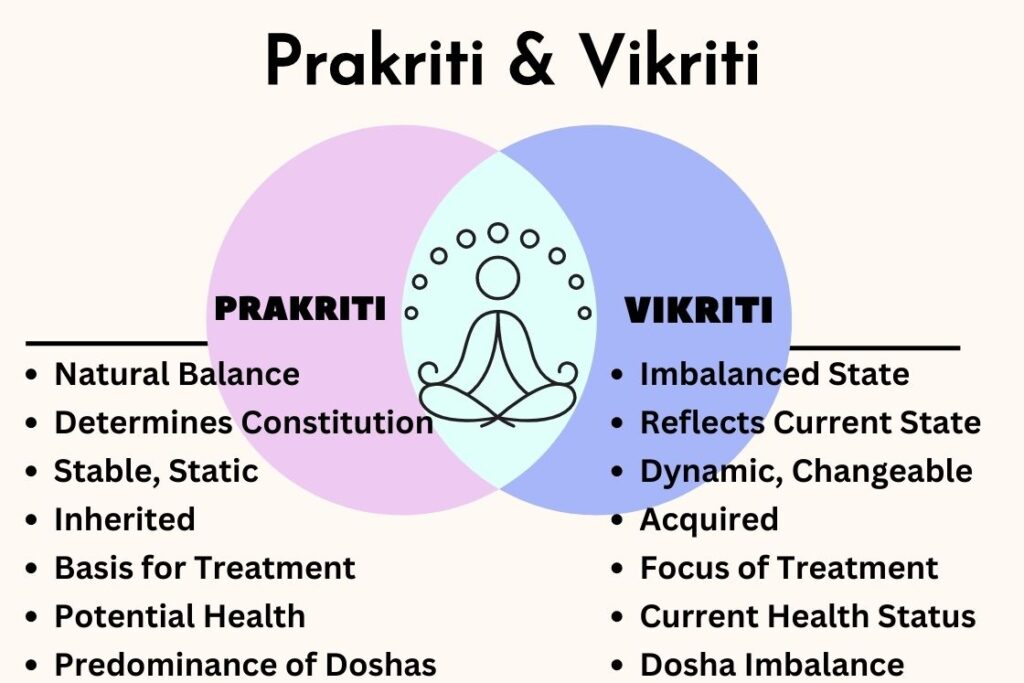
- Vaya (Age): Ayurveda recognizes that with each decade of life, specific functions or tissues naturally decline. A well-designed Rasayana plan can be targeted to counteract this age-specific degeneration.
ROLE OF RASAYANA FOR AGEING GRACEFULLY
The article 'ROLE OF RASAYANA FOR AGEING GRACEFULLY' offers a unique and highly practical framework for age-based personalization.
Please read the sections 'Now the next question will be...' and 'Decade Wise Specific Loss and Usage of Rasayana'. This provides a fascinating roadmap, suggesting specific herbs to counteract the specific losses anticipated in each decade of life (e.g., loss of intellect/Medha in the 30s, loss of skin health/Twak in the 40s).
3. The Rasayana Arsenal: An Evidence-Based Look at Key Herbs
Once we have analyzed the individual based on the parameters above, we can select the specific Dravyas (substances). Your interest in bridging classical knowledge with modern research is crucial here. Let's examine some key Rasayanas through this dual lens.
The paper, 'The Ayurvedic Rasayana Arsenal' (LINK), provides an exceptional deep dive into the pharmacology of major Rasayana herbs. Let's study a few examples.
The Ayurvedic Rasayana Arsenal - ijrpr
This paper is a treasure trove of integrated knowledge. We will focus on its detailed pharmacological review.
Please read section 4.0 The Rasayana Arsenal: A Pharmacological Review of Key Herbs and Substances. Focus on the profiles for: 4.1 Ashwagandha (Withania somnifera): Note its role as a premier adaptogen for the HPA axis. 4.2 Amalaki (Emblica officinalis): Understand its function as a potent antioxidant and hepatoprotective agent. 4.4 Brahmi (Bacopa monnieri): Grasp its application as a Medhya Rasayana (nootropic) for neuroendocrine protection. For each herb, pay attention to the Ayurvedic Profile, Modern Mechanisms, and Relevance/Safety.
This integrated understanding—knowing that Ashwagandha is a Vata-Kapha Shamaka that also regulates the HPA axis, or that Amalaki is a Tridoshic herb prized for its Pitta-pacifying coolness and is also a source of potent antioxidants—is the hallmark of an advanced practitioner.
Test your understanding!
A 55-year-old patient with a Pitta dominant Prakriti is experiencing age-related memory issues and has a history of hyperthyroidism. Based on the safety information in 'The Ayurvedic Rasayana Arsenal' (LINK), which Medhya Rasayana—Ashwagandha or Brahmi—would require more caution, and why?
Show answer
Both herbs require caution, but Brahmi is highlighted for its potential to increase thyroid hormone levels, which could be problematic for someone with a history of hyperthyroidism. Ashwagandha can also stimulate the thyroid gland, but the provided text emphasizes this more strongly for Brahmi in the context of thyroid conditions. Therefore, while both should be used with care under supervision, Brahmi warrants particular attention in this specific case.
4. Case Study: Formulating a Personalized Rasayana Plan
Let's synthesize everything we've learned by creating a plan for a hypothetical patient.
- Patient Profile:
- Name: Anand
- Age: 45-year-old male.
- Occupation: Software Engineer.
- Prakriti: Vata-Pitta.
- Vikriti (Current Issues): High stress from work, difficulty falling asleep, complains of mental fog and reduced concentration (Medha Kshaya), has dry skin (Twak Kshaya), and recent blood work shows borderline high cholesterol. His primary Dosha imbalance is aggravated Vata (from stress, irregular habits) with secondary Pitta involvement (acidity, irritability).
- Health Goals: Enhance cognitive clarity, manage stress effectively, improve sleep, and adopt a healthier lifestyle to prevent future metabolic disease.
Step 1: Analysis & Goal Setting
- Age-related decline: According to LINK, at 41-50 years, Twak (skin) is the primary site of decline. The goal of improving intellect (Medha) is also highly relevant, as this declines in the 30s-40s.
- Vikriti to Address: The primary targets are Vata aggravation (stress, sleep, dryness) and Medha Kshaya (cognitive fog).
- Prakriti to Balance: The plan must be calming for both Vata and Pitta.
- Rasayana Purpose: The plan will be a combination of Naimittika Rasayana (to address the specific Vikriti of Medha Kshaya and stress) and Kamya Rasayana (to promote overall intellect and vitality).
Step 2: Shodhana (Purification)
Given the Vata-Pitta Prakriti and high stress, a strong purification is contraindicated. A gentle Virechana (therapeutic purgation) using mild herbs like Avipattikar Churna or simply castor oil for a short period, preceded by a few days of internal oleation (Snehapana) with medicated ghee, would be appropriate to pacify Pitta and clear the channels without aggravating Vata.
Step 3: Aushadha Rasayana (Herbal Plan - Post-Shodhana)
- Primary Herb (for Medha): Brahmi (Bacopa monnieri). As a premier Medhya Rasayana, it directly targets his primary goal of cognitive enhancement. Its adaptogenic and calming properties will help manage stress and pacify both Vata and Pitta.
- Dosage/Form: Brahmi Ghrita (medicated ghee), 1 tsp in the morning with warm water. Ghee is an excellent anupana for Vata and Pitta.
- Supportive Herb 1 (for Stress & Vata): Ashwagandha (Withania somnifera). This will address the HPA axis dysregulation from chronic stress, promote better sleep, and act as a general tonic for his Vata Prakriti.
- Dosage/Form: Ashwagandha Churna, 3-5g with warm milk before bed. Milk is a calming anupana that supports sleep.
- Supportive Herb 2 (for Pitta & Metabolism): Amalaki (Emblica officinalis). This is a perfect addition. It is a potent antioxidant, cools the Pitta component of his constitution, is excellent for the skin (Twak), and has metabolic regulatory effects that can help with his borderline high cholesterol.
- Dosage/Form: Amalaki Churna, 3-5g in the afternoon, or as part of a Triphala formulation at night.
Step 4: Ahara & Achara Rasayana (Diet & Lifestyle)
- Ahara Rasayana:
- Follow a Vata-Pitta pacifying diet: Warm, freshly cooked, nourishing meals. Avoid excessive spicy, sour, and fried foods.
- Incorporate Ajasrika Rasayanas: Use ghee in cooking; drink warm milk.
- Maintain regular meal times to pacify Vata.
- Achara Rasayana: This is critical for Anand.
- Stress Management: Daily practice of meditation or pranayama (e.g., Nadi Shodhana) for 15 minutes.
- Sleep Hygiene: Establish a strict sleep-wake cycle. Power down all screens at least one hour before bed.
- Abhyanga: Self-massage with warm sesame oil 2-3 times a week before bathing to pacify Vata and nourish the skin.
This multi-pronged plan addresses Anand's immediate concerns (Vikriti) within the context of his constitution (Prakriti) and life stage (Vaya), using herbs, diet, and lifestyle to create a synergistic effect.
Conclusion
You have now learned to construct a sophisticated, personalized health strategy that goes beyond simply treating symptoms. Rasayana therapy, when applied correctly, is a powerful tool for promoting longevity, resilience, and optimal well-being.
Key Takeaways:
- Rasayana is a Holistic System: A complete plan integrates Aushadha (herbs), Ahara (diet), and Achara (lifestyle).
- Personalization is Paramount: The selection of Rasayana therapy must be guided by a deep analysis of the individual's Prakriti, Vikriti, age, and specific health goals.
- Shodhana is the Foundation: Purifying the body before rejuvenation clears the path for herbs and nutrients to work effectively at the deepest levels.
- Evidence Integration is Key: The most effective practitioners combine the wisdom of classical texts with the insights of modern pharmacology to select the safest and most effective interventions.
Preview of the Next Lesson:
We have just selected the right herbs for Anand. But how should they be prepared and delivered for maximum benefit? Our next lesson, "Justify the selection of specific Samskaras and Anupanas to optimize a formulation for a given patient," will dive into the science of herbal processing (Samskara) and vehicle/adjuvant substances (Anupana). You will learn how these crucial factors can dramatically alter the efficacy of a formulation, taking your prescription skills to an even higher level of precision.