Welcome back. In our previous modules, we completed the crucial conceptual work for our investigation. We translated the two events into precise causal puzzles, formulated our primary and rival hypotheses, and, for Event 2, even sketched the specific 'evidence fingerprints' we would need to find. We have defined what we are looking for.
This lesson marks a pivotal shift from theory to practice. We now begin designing the actual investigation, starting with Event 1, the cuckold-hotwife dynamic. Our objective is to answer the question: where can we find the evidence needed to test our hypotheses? We will identify the specific sources—the people, documents, and digital records—that hold the key to understanding how this couple's arrangement came to be and why it succeeded for five years.
The Principle of Triangulation
Before we start listing potential sources, it is essential to ground our approach in a core principle of robust qualitative research: triangulation. As a statistician, you are familiar with the concept of reducing error and increasing confidence by using multiple data points or measurements. Triangulation applies a similar logic to qualitative evidence. Relying on a single source, like one person's account, is precarious; it gives you a single, potentially biased, and incomplete perspective. To construct a valid and reliable causal story, we must seek out multiple lines of evidence.
The brief video below from NNgroup provides a clear, intuitive introduction to this idea.
Triangulation: Combine Findings from Multiple User Research Methods
This video introduces the concept of triangulation using a simple analogy.
Watch the entire video. Pay attention to how it distinguishes what is visually observed from what can be learned through another method (the brick analogy) and the different ways to triangulate, such as using multiple sources of information.
Triangulation can take several forms, as illustrated in the "Triangulation in research" infographic. For our purposes, we are primarily concerned with Data triangulation (using multiple data sources, like different people's testimonies or documents from different times) and Methodological triangulation (using different methods, like interviews and document analysis, to investigate the same phenomenon).
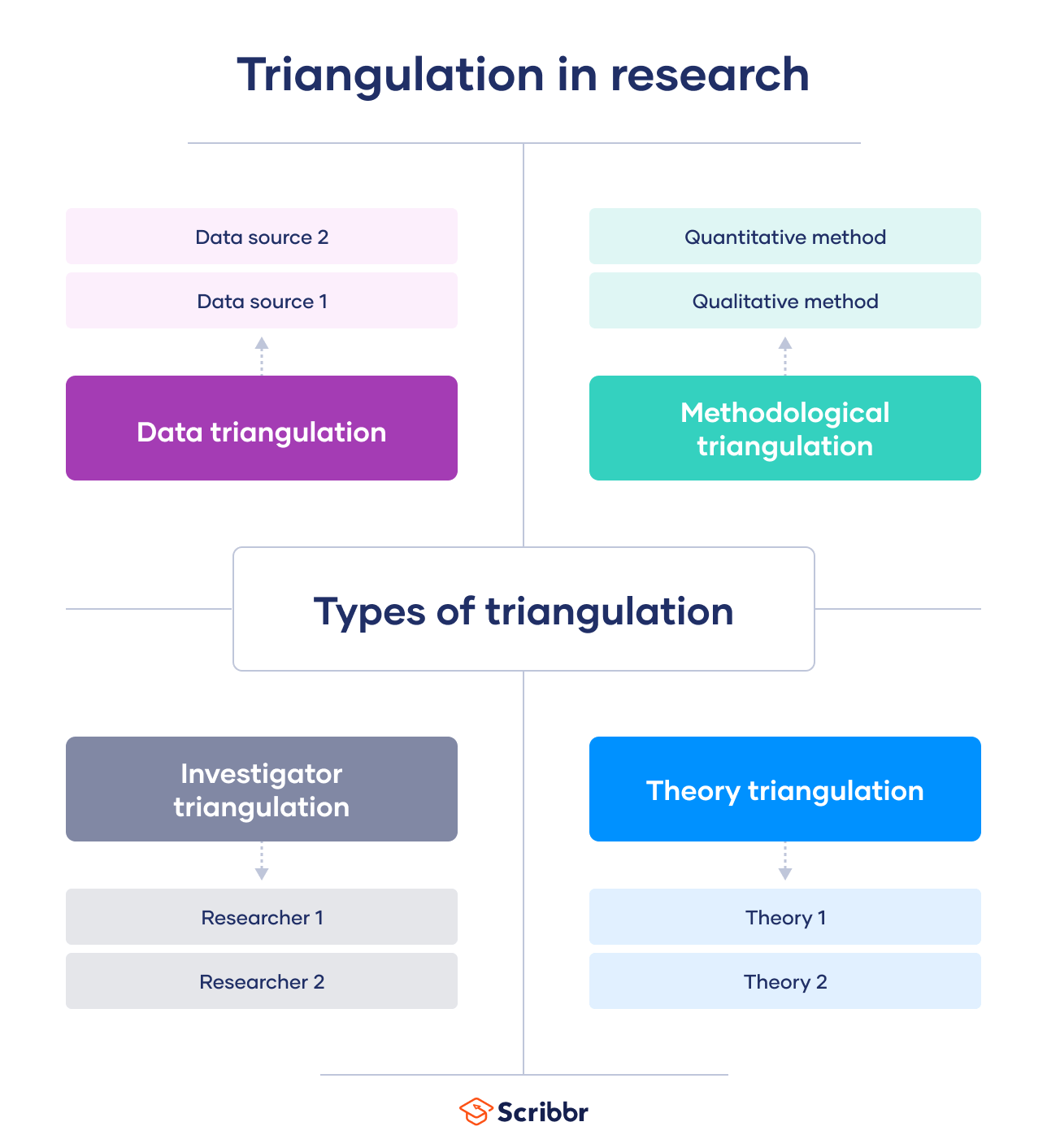
By combining evidence from different people, different types of records, and using different collection methods, we can corroborate facts, uncover inconsistencies that require further investigation, and ultimately build a much more complete and convincing picture of the causal process.
Identifying Evidence Sources for Event 1
To test our primary hypotheses for Event 1—(H1) the wife’s unmet sexual needs were fulfilled, and (H2) the husband's trust in the bull as his best friend was a crucial enabler—we need evidence that illuminates motivations, private conversations, evolving feelings, and key decisions over a five-year period.
These evidence needs point toward two main categories of sources:
- Accounts from Participants: Direct testimony from the individuals who lived the experience.
- Artifacts and Traces: Tangible evidence created during the five-year period that can document communications, events, and timelines.
Let's explore each of these categories in detail.
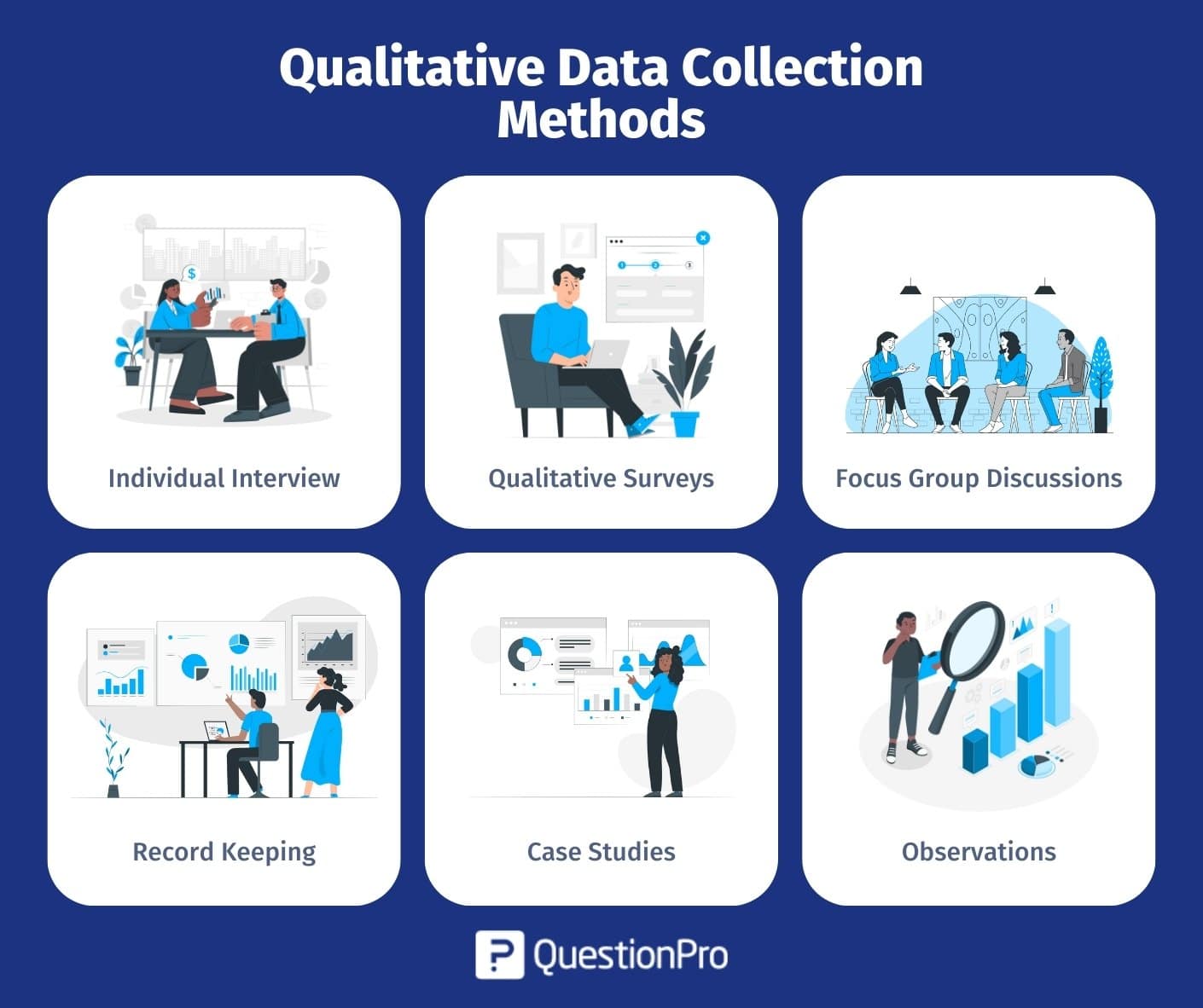
1. Accounts from Participants: In-Depth Interviews
The most direct way to understand the motivations and experiences of the three individuals at the heart of this case—the husband, the wife, and the bull—is to talk to them. Given the personal, complex, and sensitive nature of the topic, in-depth interviews are the most appropriate method.
The following video from a Yale University course explains the purpose and practice of in-depth interviews as a qualitative research method.
Fundamentals of Qualitative Research Methods: Interviews (Module 3)
This video provides a solid academic grounding in why and how to conduct in-depth interviews.
Please watch the following segments: When to use interviews: This section highlights their value for exploring individual experiences and, crucially, for addressing sensitive topics where trust and rapport are paramount. Sampling for interviews: Focus on the concept of identifying "key informants"—individuals with direct knowledge and experience of the phenomenon. In our case, the three participants are our entire population of key informants. Beginning the interview: This part underscores the importance of establishing rapport and ensuring confidentiality, which is essential for gathering candid information in a case like this.
Based on these principles, here are the specific sources we would identify in this category:
- Source 1: In-depth interview with the wife. This is the primary source for testing H1 (unmet needs). The goal is to understand her perspective on her marital satisfaction prior to the arrangement, her desires, how the idea was broached, and her experience of the dynamic over time.
- Source 2: In-depth interview with the husband. This is a primary source for testing both H1 and H2. We need his account of his wife's needs, his own feelings about the situation, and, critically, his perspective on why choosing his best friend (H2) was acceptable or even desirable.
- Source 3: In-depth interview with the bull. This is a primary source for testing H2 (best friend trust). His account of how he was approached, his relationship with the husband before and during the arrangement, and his own rules and boundaries are essential for understanding the trust dynamic.
It is critical that these interviews be conducted separately and individually. This ensures that we are getting three independent accounts, which we can later compare for corroboration and contradiction. Interviewing them together would risk them colluding on a single "official" story, masking the very details and potential disagreements that are most valuable to a causal analysis.
2. Artifacts and Traces: The Documentary Record
Interviews provide rich, but potentially fallible, accounts. People misremember, engage in retrospective rationalization, or are influenced by social desirability bias. Therefore, we must seek out contemporaneous evidence—"empirical traces" left by the events as they happened.
The guide "Process-Tracing Methods in Program Evaluation" provides a framework for this.
[PDF] Process-Tracing Methods in Program Evaluation
This document offers a systematic way to think about identifying evidence. It helps formalize the link between a theorized action and the "fingerprints" it might leave behind.
Please read the section "Tracing a Process Theory of Change Empirically". Pay special attention to: The core question: "If activity and link A took place, what type of empirical traces might we expect that they left in the case?" The distinction between "need-to-find" and "love-to-find" evidence. The example of operationalizing expected observables for the action "World Bank officials engage key domestic officials." This illustrates how to move from a concept (engagement) to a checklist of findable traces (meeting records, interview accounts).
Applying this logic, we will cast a wide net for potential artifacts. Here are the specific sources we would seek for Event 1:
-
Source 4: Digital Communication Logs (Texts, WhatsApp, etc.)
- Husband-Wife Communications: These are a "need-to-find" source. We would expect to see conversations where the topic was first discussed, where feelings were checked, and where logistical arrangements were made. This is a direct trace of the negotiation and maintenance of the dynamic.
- Husband-Bull Communications: These are crucial for testing H2. We would expect to see evidence of their friendship prior to the arrangement and then the conversations where the husband broached the topic. The tone and content of these messages would be a powerful indicator of the level of trust between them.
- Wife-Bull Communications: These logs would help establish the nature of their relationship, boundaries, and communication style.
-
Source 5: Personal Journals or Diaries
- This would be a "love-to-find" source. A private, contemporaneous written record of thoughts and feelings from any of the three participants would be exceptionally strong evidence, as it is less prone to the biases of a retrospective interview. For H1, a diary from the wife detailing her frustrations or desires before the arrangement would be a "smoking gun."
-
Source 6: Timeline and Contextual Artifacts
- Photographs: Photos of the husband and bull together from years before the arrangement would help establish the "best friend" precondition for H2.
- Calendars/Schedules: Digital or physical calendars could help reconstruct the timeline of key events, such as the first meeting, and establish the frequency and longevity of the arrangement.
- Financial Records: Receipts or credit card statements for hotels, dinners, or gifts could serve as corroborating trace evidence for the events described in interviews.
By identifying these distinct sources, we lay the groundwork for a multi-pronged investigation. We are not just relying on what the participants tell us today; we are actively looking for the "fingerprints" their actions left behind over the past five-plus years.
Conclusion
In this lesson, we have moved from the 'what' to the 'where' of our investigation into Event 1. We have built a preliminary evidence-gathering plan grounded in the principle of triangulation.
The key takeaways are:
- A robust causal analysis requires triangulation: collecting evidence from multiple sources and using multiple methods to corroborate findings and increase confidence.
- For Event 1, our evidence sources fall into two broad categories: participant accounts (gathered through individual, in-depth interviews with the husband, wife, and bull) and artifacts/traces (such as communication logs, journals, and photos).
- Each identified source provides a potential pathway to test our specific hypotheses about unmet needs (H1) and best-friend trust (H2).
We have now created a shopping list for our evidence. However, not all evidence is created equal. An anonymous text message is not as reliable as a signed diary entry, and an interview account can be colored by memory and motivation.
In our next lesson, we will address this challenge directly. We will focus on how to assess the reliability and potential biases associated with each of these evidence sources for Event 1, preparing ourselves to weigh the evidence we collect critically and systematically.