Hello! Welcome back to the final module of our course.
In our last lesson, we crafted the powerful one-two punch of a title and subtitle—your book's first handshake with the reader. We focused on pairing an evocative, emotional title with a clear, descriptive subtitle to both connect with the reader's feelings and manage their expectations.
Today, we will build on that foundation. Once a reader is intrigued by your title, they will turn to the book description (often called a blurb) to decide if your book is truly for them. Your goal for this lesson is to write a book description for the back cover or online store that sets an empathetic and non-judgmental tone. This is not just marketing copy; it is the second part of your promise to the reader, assuring them that this is a place of understanding, not judgment.
1. The Purpose of a Book Description: Connection, Not Summary
Many authors make the mistake of treating the book description as a summary. It is not. Its primary purpose is to create an emotional connection and spark curiosity, assuring the reader that the book understands their specific situation.
To explore this idea, let's start with a short video that frames the core function of a blurb.
How to Write an Irresistible Book Cover Blurb
In 'How to Write an Irresistible Book Cover Blurb,' the speaker from Ignited Ink Writing explains why a blurb should be a 'hook,' not a summary. This is especially true for nonfiction that addresses a reader's inner world.
Please watch from 00:10 to 01:07 and from 03:05 to 03:58. Pay close attention to the advice for nonfiction: treat the reader as the main character, address their 'pain point' or 'burning desire,' and hint at the end result—which, for your book, is clarity and validation.
For your project, the reader's "pain point" is the silent, often unnamed feeling of being exhausted, lonely, or disconnected. Your blurb must speak directly to that pain with immediate, recognizable empathy.
2. The Core Components of an Empathetic Blurb
An effective blurb for a book like yours needs to balance several elements carefully. It must validate the reader's pain without melodrama, offer hope without toxic positivity, and establish authority through understanding, not credentials.
This article from Winterwolf Press provides an excellent breakdown of common mistakes and how to fix them. It will serve as our guide for structuring your blurb.
Common Book Blurb Mistakes And How To Fix it! - Winterwolf Press
The article 'Common Book Blurb Mistakes And How To Fix it!' offers practical, strategic advice for nonfiction authors. We'll use its insights to build a blurb that connects with your specific reader.
Please read the sections titled 'Mistake #1: Treating It Like a Book Report,' 'Mistake #3: Leading with Credentials Instead of Connection,' and 'Mistake #4: Sounding Like Everyone Else.' Notice how the 'Blurb Upgrade' examples shift the focus from the book's contents to the reader's feelings and transformation.
The key takeaways from these resources are:
- Focus on Transformation: The value isn't what's in the book, but what the book does for the reader. For your audience, the transformation is moving from unspoken pain to validated understanding.
- Lead with Empathy: Start by showing you understand the reader's struggle. Your expertise is secondary to the connection you build.
- Use Your Voice: Avoid generic self-help language. Your blurb should use the same calm, grounded, and emotionally intelligent voice that defines your book.
3. Avoiding the Pitfall of Toxic Positivity
A critical part of your book's promise is avoiding false reassurance and toxic positivity. The book description is where you first make this promise explicit. Readers who are exhausted and in pain are often wary of books that promise to "fix" them with simple mindset shifts.
How to Spot Toxic Positivity in Self-Help Books - British Proofreading
This article, 'How to Spot Toxic Positivity in Self-Help Books,' provides a clear framework for what to avoid. Understanding these red flags will help you craft a blurb that feels authentic and safe.
Please read the sections 'Understanding Toxic Positivity in Self-Help' and 'Red Flags to Identify in Manuscripts.' Pay special attention to the discussions on simplistic slogans, emotion shaming, and quick-fix promises. These are the exact things your blurb must stand against.
By explicitly stating what your book is not—not a guide to "good vibes only," not a list of quick fixes—you build immediate trust with a discerning and emotionally vulnerable audience.
4. Workshop: Drafting Your Book Description
Now, let's bring these principles together to draft your book description. We'll use the "Blurb Fixing Formula" mentioned in the Winterwolf Press article as our structure: Hook, Promise, Vibe, and Close.
Here's how it applies to your project:
-
The Hook: Start with a sentence that directly voices an unspoken feeling from your source phrases. Make the reader feel seen in the first line.
- Example: "For the person who is tired of pretending they’re okay. For the one who feels like they’re drowning and no one has noticed."
-
The Promise: State what the book offers (validation, clarity, language for their feelings) and what it avoids (toxic positivity, simple solutions).
- Example: "This is not a book about fixing yourself. It offers no life hacks or motivational clichés. Instead, it offers something quieter: understanding. It is a space to explore the weight of emotional burnout, chronic loneliness, and the loss of self that can follow a period of intense stress or a relationship's end."
-
The Vibe: Use introspective, metaphorical language that reflects the book's tone. The goal is to articulate the inner experience of these emotions.
- Example: "Here, we give name to the feelings that are hard to articulate—the quiet despair of feeling 'done,' the numbness that feels like watching your own life from a distance, and the deep ache of wanting to be seen without having to break first."
-
The Close: End with a gentle, validating statement that reinforces the book's core message of "permission to rest."
- Example: "This book is a quiet companion for the journey back to yourself. It is an invitation to stop fighting, to be still, and to give yourself the grace of rest."
Your Task: Write Your Book Description
Using the structure above and drawing from your project's emotional phrases, write a complete book description of approximately 150-200 words.
Think about the visual context. Your text will likely appear on the back of a book or in an online store description.
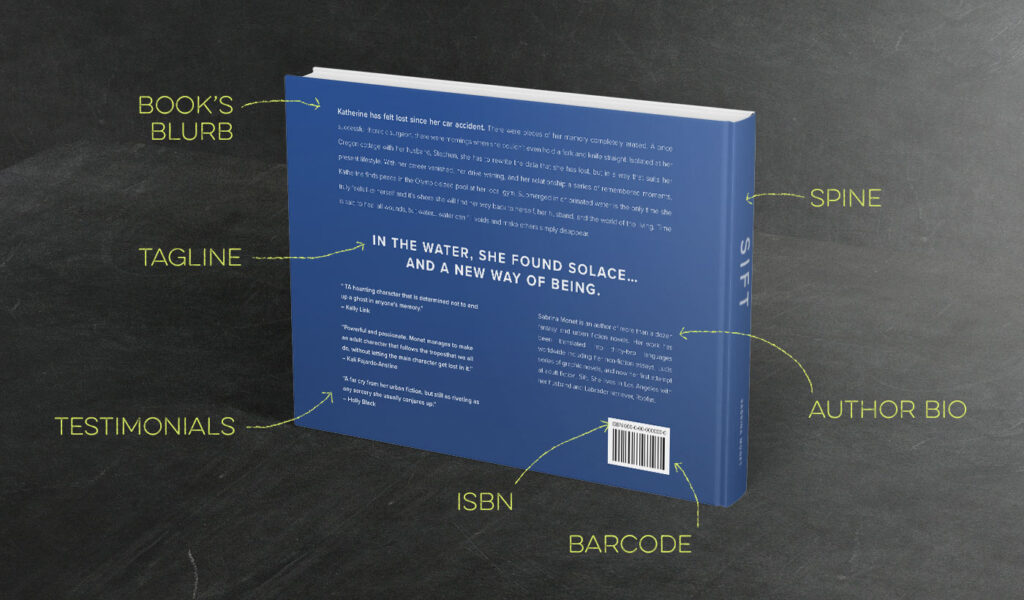
Focus on creating a piece of writing that feels less like an advertisement and more like the first page of the book itself—empathetic, calm, and deeply respectful of the reader's experience.
Conclusion
Your book description is a critical bridge between your title's promise and your book's content. By leading with empathy, articulating the reader's hidden pain, and clearly stating your book's non-judgmental purpose, you create an invitation that the right reader will find impossible to refuse.
Key Takeaways:
- A book description should connect, not summarize. It speaks to the reader's pain and offers a path toward understanding.
- Empathy is your hook. Start by making the reader feel seen and understood.
- Explicitly reject toxic positivity. Promise validation and clarity, not quick fixes or mandatory happiness.
- Your description's tone and language must match the book's internal voice—calm, intelligent, and respectful.
In our next lesson, we will move to the book's interior. You will outline the final introduction, ensuring it validates the reader's experience from the very first page and seamlessly continues the conversation started by your title and description.