Introduction
In our previous lesson, we began exploring the ROCCC framework for information validity by focusing on Reliability. We established that reliable data comes from consistent, standardized collection methods, whether that involves controlling for a participant's breathing during a bra fitting or using validated psychological scales in relationship research.
Today, we move to the second pillar of the framework: 'O' for Originality. This lesson addresses a fundamental question for any analyst: did you collect this data yourself, or are you using data collected by someone else? The answer determines whether you are working with a primary or secondary data source, a distinction that has profound implications for its trustworthiness. Our goal is to determine if a data source is original or secondary and explain how this affects trustworthiness, using the clear-cut example of comparing self-reported bra sizes to professional fittings.
Defining Original (Primary) and Secondary Data
Before we can assess the impact on trustworthiness, we need to be precise about our terms. The concepts of primary and secondary data are foundational to data analysis.
Prepare Data for Exploration Flashcards (GDA) - Boost Your Google ...
The following material from 'Prepare Data for Exploration Flashcards' by the Trusted Institute offers concise definitions and a direct comparison of primary and secondary data. It will help us establish a clear vocabulary.
Please read the sections titled 'Data collection methods' and 'Primary vs. secondary data'. As you read, focus on: The definitions of primary and secondary data. The examples provided for each type of data collection. The summary of advantages and disadvantages, particularly how they relate to relevance, control, cost, and time.
To summarize and contextualize these definitions for your work:
| Data Type | Definition | Your Bra Design Example | Your Relationship Research Example | Trustworthiness Profile |
|---|---|---|---|---|
| Original (Primary) | Data you collect firsthand for a specific purpose. | You hire a professional to measure 50 women for a new bra prototype. | You conduct structured interviews with all members of a polyamorous unit to study their communication dynamics. | High Trustworthiness: You control the methodology, ensure its reliability (as we discussed last lesson), and know it's directly relevant to your question. |
| Secondary | Data collected by someone else for a different purpose. | You use a customer's self-reported bra size from a web form. | You analyze posts on a polyamory forum to understand common relationship challenges. | Variable Trustworthiness: The data is at least one step removed from its origin. It may be less relevant, and you have no control over the original collection quality. It must be treated with skepticism. |
The core issue affecting trustworthiness is the distance from the source. Primary data comes directly from the source to you. Secondary data has an intermediary—the person or system that first collected it. This introduces potential for error, bias, and misinterpretation.
Case Study: The Trustworthiness Gap in Bra Sizing
The discrepancy between self-reported and professionally measured bra size is a perfect illustration of the trustworthiness gap between secondary and primary data. From your perspective as a designer or researcher, a customer's self-reported size is secondary data. The customer "collected" it themselves, for their own purpose (buying a bra), using their own (likely unreliable) methods.
Let's look at the typical tools a person might use for self-measurement.
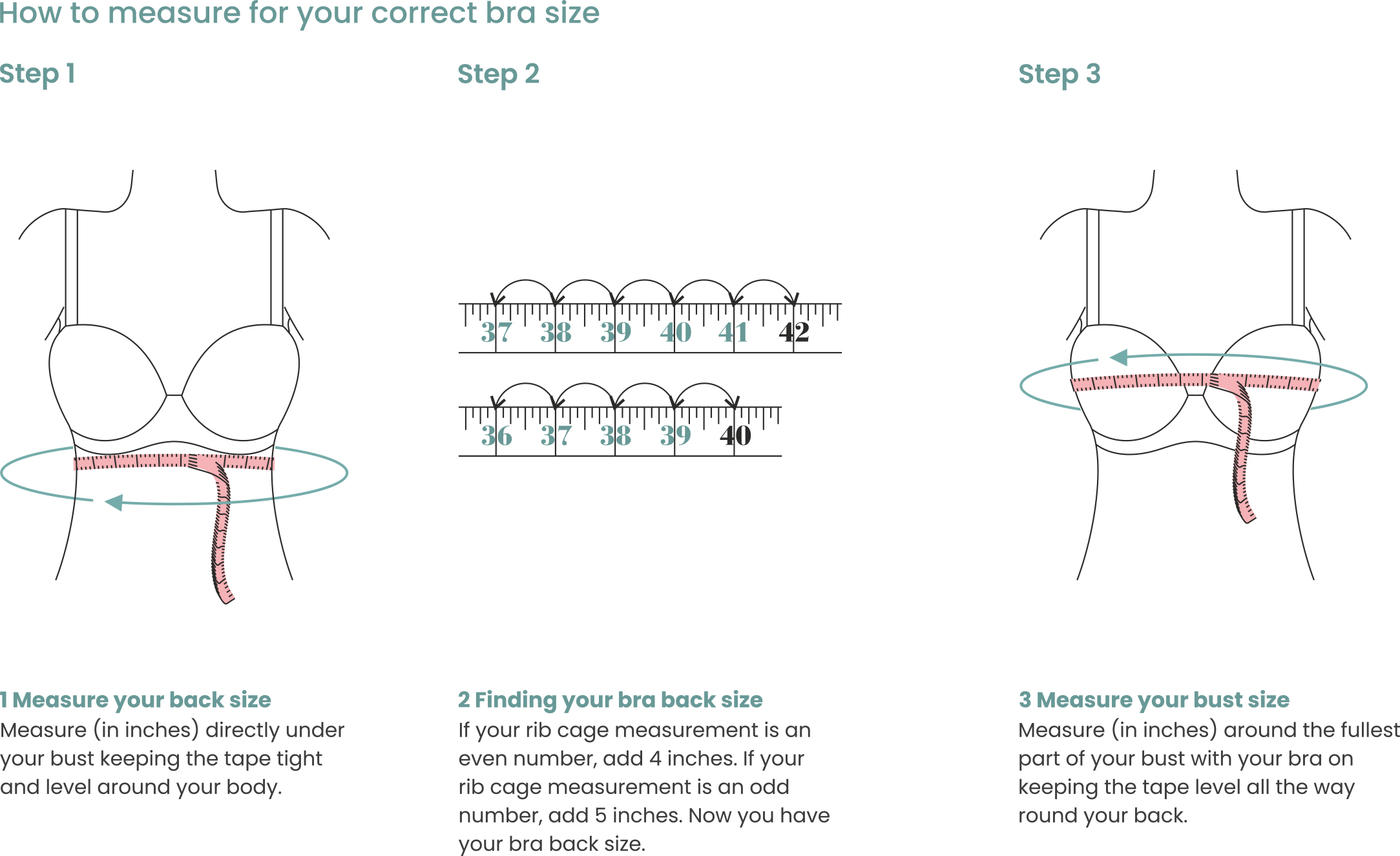
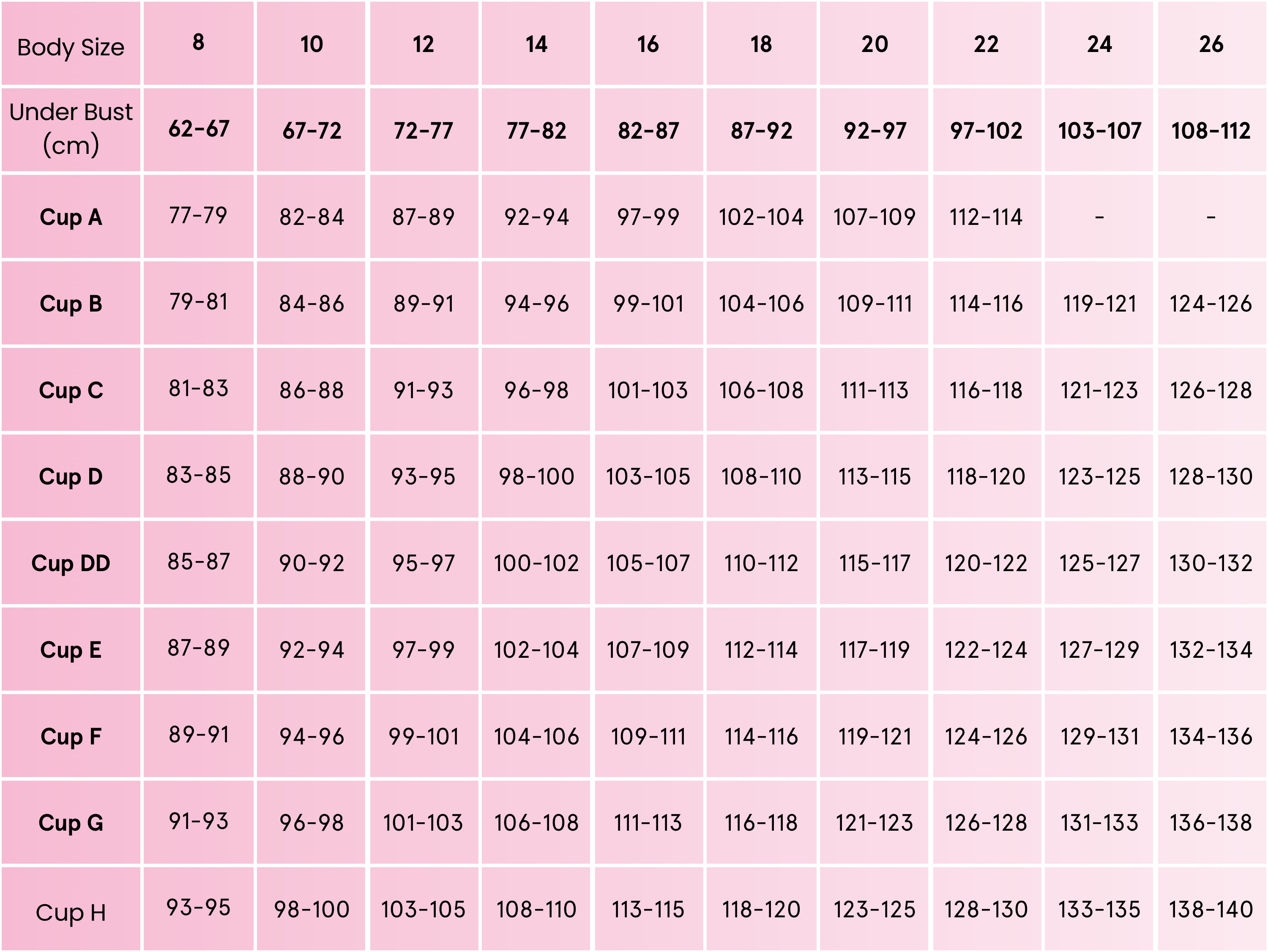
These tools often lead to a significant disconnect between a person's perceived size and their actual fit. An academic study provides clear evidence of this gap.
[PDF] Highlighting the need for change through an analysis of bra fit quality
The paper 'Highlighting the need for change through an analysis of bra fit quality' provides a direct, quantitative comparison between self-reported fit issues (secondary data) and objective, researcher-led assessments (primary data).
Please read the following sections from the paper: Abstract (page 1): This will give you a quick overview of the study's goal and main finding. 'It has previously been shown...' (page 3): This paragraph explicitly states that self-measurement methods reduce the likelihood of a correct fit. Section 2.3, 'Outcome measures' (page 4): Pay close attention to how the researchers define their two data sources: the 'objective bra fit assessment' (their primary data) and the 'self-reported bra fit issues' (which serves as their secondary data). First two paragraphs of Section 3, 'Results' (page 5): This is the crucial part. Look for the specific statistic on the percentage of agreement between the subjective (self-reported) and objective (professional) findings.
The key finding from this study is stark: agreement between participants' self-reports and the researchers' objective findings was achieved in only 51% of instances.
This 49% discrepancy is a powerful measure of the trustworthiness gap. When you, as a designer, receive a self-reported size from a customer, this study suggests there is roughly a 1-in-2 chance that it doesn't align with a professional assessment.
Why does this happen? The study points to a lack of knowledge. The original collector of the secondary data (the participant) is not an expert. They are interpreting their own experience without the standardized framework a professional would use. Therefore, their data is inherently less trustworthy.
Application to Relationship Research
This same principle applies directly to your work in social research. Imagine you are studying satisfaction levels within a single-female, multiple-male polyamorous relationship.
- Secondary Data Approach: You ask the woman, "Please rate the relationship satisfaction of each of your partners on a scale of 1 to 10."
- Primary Data Approach: You administer a validated relationship satisfaction scale directly to each partner individually.
The secondary data provided by the woman is significantly less trustworthy. It has been filtered through her own perceptions, biases, and her understanding of her partners' internal states. She is acting as an intermediary, just like the participant self-reporting their bra fit. Her report might be influenced by a desire for the relationship to be seen as successful or a simple lack of awareness of a partner's true feelings. The primary data, collected from each individual, avoids these filters and is therefore a more trustworthy source for understanding each person's experience.
Conclusion
In this lesson, we have dissected the 'O' for Originality in the ROCCC framework. We established the critical difference between data you collect yourself and data you receive from others.
Key Takeaways:
- Original (Primary) data is collected firsthand for your specific research purpose. It is generally more trustworthy because you control the methodology.
- Secondary data is data that has been previously collected by someone else for a different purpose. Its trustworthiness is variable and requires critical evaluation.
- The trustworthiness of a data source often decreases as the distance from the original point of measurement increases. Each step of interpretation or reporting can introduce error and bias.
- The bra-fitting study demonstrated this vividly: self-reported data (secondary from the researcher's view) was a poor match for professionally assessed data (primary), agreeing only 51% of the time. This highlights that when the original data collector is not an expert, the data they produce is less reliable.
Preview of the Next Lesson:
We have now confirmed our data was collected Reliably and we understand its Originality. The next logical question is: is there enough of it? In our next lesson, we will tackle 'C' for Comprehensive. We will explore how to assess if a dataset is complete enough to answer your research question and discuss the dangers of drawing conclusions from partial information.