Introduction
Welcome to the second module of our course, "Ensuring Data Ethics." In our first module, we mastered the SMART framework, learning how to formulate a research question that is specific, measurable, achievable, relevant, and time-bound. This ensures our research is well-defined and capable of yielding a clear answer.
However, a well-formulated question is only half the battle. The way we seek the answer is just as important as the question itself. Today’s lesson addresses a foundational principle of data handling: Why must we address ethical considerations before we even begin to collect or analyze data?
This lesson serves as the "why" that precedes the "how" of your CTO POC framework. We will explore the potential consequences of treating ethics as an afterthought and establish the rationale for placing it at the very beginning of any data project.
The Specter of Unethical Research: A Historical Perspective
To understand why ethics must be a proactive, initial consideration, it is crucial to see what happens when it is not. History, particularly in medical and social research, provides powerful and cautionary tales. The consequences of unethical data collection are not abstract; they involve real, lasting harm to individuals and communities.
Please watch the following video from Crash Course Statistics. It details several infamous cases where the pursuit of knowledge led to severe ethical violations, shaping the ethical codes we have today.
Henrietta Lacks, the Tuskegee Experiment, and Ethical Data Collection: Crash Course Statistics #12
This video, 'Henrietta Lacks, the Tuskegee Experiment, and Ethical Data Collection', presents several historical cases that are now cornerstones in the study of research ethics. They vividly illustrate the human cost of unethical data collection.
Please watch from the beginning until 06:21. Pay close attention to the stories of Alexis St. Martin, the Tuskegee Syphilis Study, and Henrietta Lacks. As you watch, consider the following: What specific harm was done to the subjects in each case? What core ethical principles were violated? How did these events lead to the creation of formal ethical guidelines like the Nuremberg Code and Institutional Review Boards (IRBs)?
The cases in the video underscore a critical point: without a pre-emptive ethical framework, research can easily exploit the vulnerable. They highlight the failure of three core principles that must be established before research begins:
- Voluntariness: Participants must be free from coercion or undue influence. As seen with Alexis St. Martin, a power imbalance can negate true choice.
- Informed Consent: Participants must understand what the study involves, including its risks and purpose, before agreeing to participate. The men in the Tuskegee study were tragically deceived.
- Beneficence: The research must aim to minimize harm and maximize potential benefits. The Tuskegee study actively withheld a known cure, causing immense suffering for no scientific benefit.
These historical failures led directly to the establishment of modern ethical oversight, such as Institutional Review Boards (IRBs), which require researchers to demonstrate their ethical compliance before any contact with participants. This formalizes the principle we are discussing: ethics is the gate, not the afterthought.
Contemporary Ethics in Your Fields of Interest
These principles are not confined to history or extreme medical cases. They are directly relevant to any research involving human data today, including in your specific areas of interest: bra design and polyamorous relationships.
Case 1: The Ethics of Body Measurement Data
In your work on bra design, you deal with highly personal and sensitive data: body measurements. With new technologies like 3D body scanning, the potential for collecting vast amounts of detailed biometric data is growing. This is not just a technical opportunity; it is an ethical challenge.
Privacy paradox in 3D body scanning technology: the effect ... - Nature
This article from the journal Nature, titled 'Privacy paradox in 3D body scanning technology', examines the tension between the benefits of this technology for apparel design and the privacy concerns it raises for consumers.
Please read the Abstract, the Introduction, and the first subsection of the Literature Review, '3D body scanning technology and body information privacy: privacy calculus perspective'. Focus on how consumer privacy concerns are described as a significant 'barrier' to the adoption of this technology.
As the article makes clear, even if a new measurement technology promises better-fitting bras, consumers' concerns about privacy and data security are a primary hurdle. The study notes that "having their body images scanned and sharing detailed body measurements with retailers remains a serious concern for consumers."
If these ethical concerns are not addressed before you roll out such a data collection tool, two things will happen:
- Low Participation: Potential participants will refuse to use the technology, starving your project of data.
- Selection Bias: The only people who participate might be those with a lower-than-average concern for privacy, meaning your dataset would not be representative of your target market.
Therefore, addressing the ethics of data collection isn't just about being "nice"; it's a prerequisite for collecting valid, representative data. You must build in privacy protections and transparently communicate them from the very start to build the trust necessary for people to share such intimate data.

Case 2: The Ethics of Relationship Research
In your social research on polyamory, you deal with data that is arguably even more sensitive: the dynamics of intimate relationships. For communities that already face social stigma, trust is paramount.
The concept of "ethical non-monogamy" itself provides a powerful analogy.
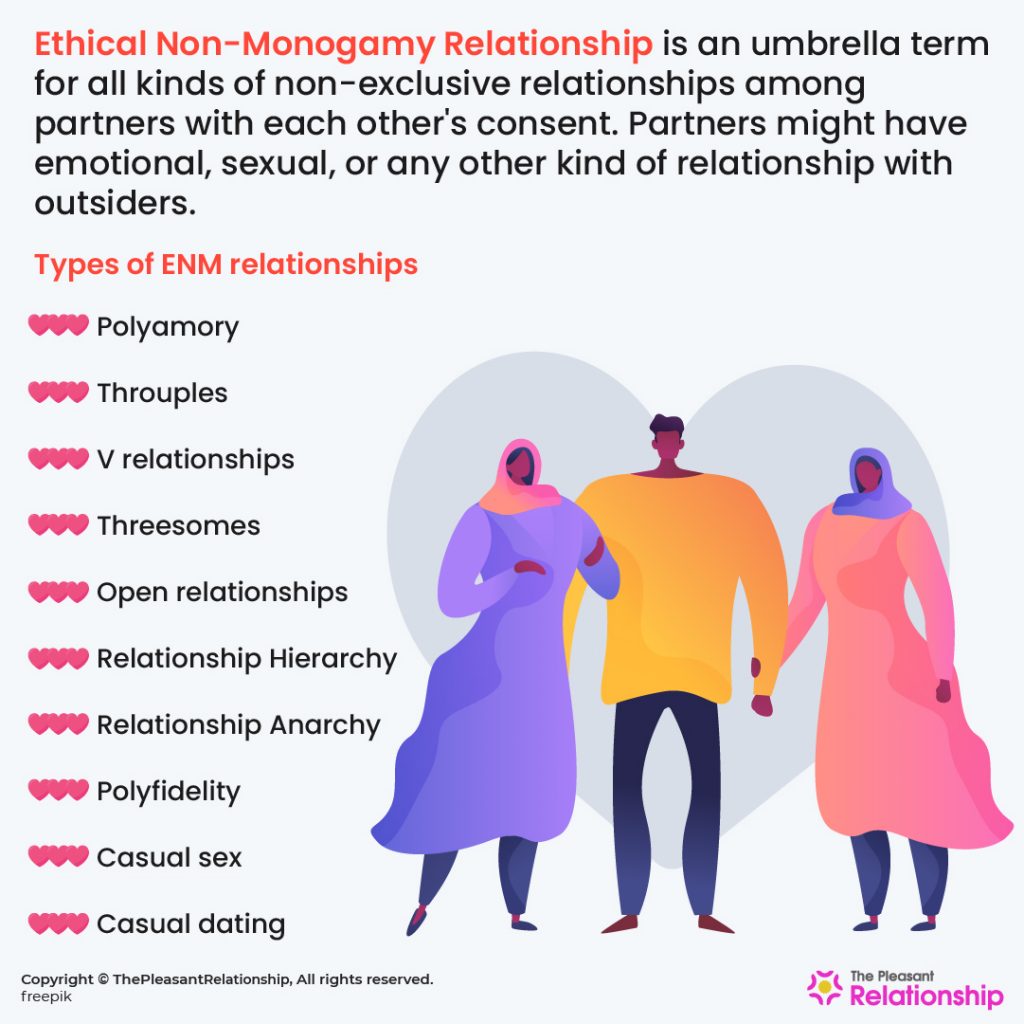
Let's explore this further.
How polyamory works, according to relationship researchers
This article from Scientific American, 'How polyamory works, according to relationship researchers,' discusses the lived reality of polyamorous relationships and highlights a key finding that might surprise outsiders.
Please read the beginning of the interview, the section discussing how polyamory is perceived, the explanation of 'cheating,' and the researcher's surprising findings. Note how central the concepts of 'consent,' 'ethics,' and 'informed' are to the community itself.
The researcher in the article makes a striking point: "what surprised me... was realizing how much ethics is at the center of what people are doing." The community is built upon a foundation of explicit communication, negotiation, and informed consent.
What does this mean for a statistician wanting to study these relationships? It means you cannot simply show up with a survey. To gain access and trust, your research protocol must mirror the ethical rigor of the community itself. You must demonstrate from the outset that you understand and respect their values. Your approach to consent, privacy, and transparency must be impeccable. If it's not addressed upfront, you will be seen as an unethical actor, and the community will close its doors to you. Your research will be impossible to conduct.
Synthesis: Why Ethics Comes First
Considering these examples, we can synthesize the reasons why ethical considerations must precede data collection:
- To Prevent Harm and Uphold Dignity: This is the most important reason. Proactive ethical planning is our primary defense against repeating historical atrocities and causing new harm, whether it's physical, psychological, or social.
- To Ensure Project Viability: As seen with 3D body scanning, if participants do not trust your ethical framework, they will not provide data. Ethical design is a prerequisite for user adoption and participation.
- To Gain Access to Communities: For research on sensitive topics like polyamory, demonstrating a robust ethical approach upfront is essential for building the rapport and trust needed to even begin the study.
- To Guarantee Data Quality: Data collected under duress, with deception, or from a biased sample of participants who are unconcerned with privacy is fundamentally flawed. Sound ethics contribute to sound methodology.
- To Comply with Formal Requirements: Modern research institutions mandate ethical review (e.g., via an IRB) before a project can begin, legally and procedurally enforcing the "ethics first" principle.
Conclusion
In this lesson, we have established why ethics is the foundational first step in any data project. It is not a final checkbox on a form but the very ground on which trustworthy and meaningful research is built. By failing to consider ethics before data collection, we risk harming individuals, invalidating our results, and making our research unachievable.
Key Takeaways:
- Historical failures like the Tuskegee study demonstrate the severe human cost of prioritizing data collection over participant welfare.
- Ethical principles such as voluntariness, informed consent, and beneficence must be addressed proactively to prevent harm.
- In modern contexts like bra design (3D scanning) and relationship studies (polyamory), failing to address ethical concerns like privacy and consent upfront acts as a direct barrier to collecting valid data.
- Addressing ethics first is a prerequisite for preventing harm, ensuring project viability, gaining access, and guaranteeing data quality.
Preview of the Next Lesson:
Now that we have firmly established why ethics must come first, we will begin exploring how to implement an ethical framework. In our next lesson, we will dissect the first element of your CTO POC model: C for Consent. We will go beyond a simple definition to ask what constitutes truly informed consent, using your specific examples of collecting intimate body measurements and details about polyamorous relationship structures.