Welcome back. In our previous lesson, we conducted a sensitivity analysis on the boudoir photoshoot plan, identifying the 'modesty of the starting outfit' as the single highest-leverage variable for maximizing narrative impact. This process of isolating a critical control point is central to your work as an efficiency expert.
Today, we will apply that same focused analysis to the tour scenario. Our objective is to not only identify its most potent variable but also to design a control mechanism for it. Your learning outcome for this lesson is to identify the single highest-impact variable for the tour scenario and define a 'guardrail' rule for its implementation. This moves us from pure analysis to proactive system design—creating rules that allow for optimization while preventing catastrophic failure.
Recapping the Tour Scenario Dynamics
The success of the tour scenario, as established in your prior causal analysis, hinges on two interacting mechanisms:
- The Needs Mechanism: Fulfilling the wife's unmet sexual needs, which is the primary driver for the arrangement.
- The Trust Mechanism: The pre-existing friendship between the husband and bull, which lowers anxiety and provides a foundation of safety and consent.
The optimal plan must robustly service the first mechanism without fatally undermining the second. A variable that significantly influences both is, by definition, a point of high leverage and high risk.
Identifying the Highest-Impact Variable
Let's consider the key decision variables within the tour plan that we could manipulate:
- The duration of each intimate encounter.
- The variety or escalation of intimate activities.
- The level of emotional disclosure between the wife and bull.
- The frequency of intimate encounters.
While all these factors contribute to the overall experience, the frequency of intimate encounters stands out as the highest-impact variable. It acts directly on both core mechanisms simultaneously.
- Impact on the Needs Mechanism: Frequency is the most direct control for satiation. If the frequency is too low, the core purpose of the arrangement—addressing unmet needs—is defeated, rendering the plan ineffective.
- Impact on the Trust Mechanism: As frequency increases, it changes the qualitative nature of the wife-bull dynamic. A low frequency feels like a series of discrete, sanctioned events. A very high frequency starts to resemble a parallel romantic relationship, which can introduce emotional complexities (attachment drift, jealousy) that directly threaten the trust between all three parties and the stability of the primary marriage.
In system dynamics terms, we are looking for the variable with the most power to affect the system's feedback loops.
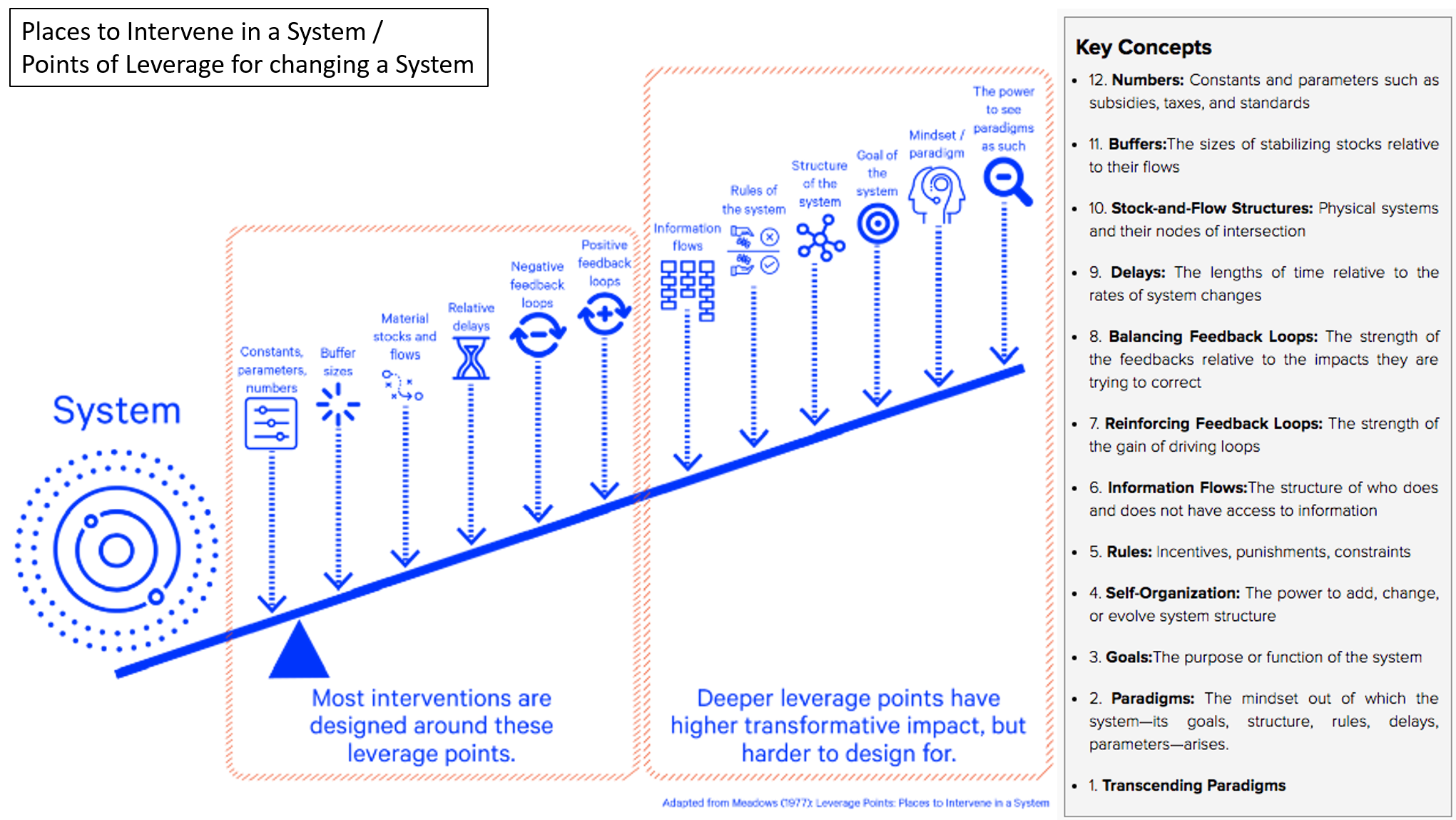
Given its dual role as both the primary driver of success and the primary source of risk, the 'frequency of encounters' is unequivocally the highest-impact variable for the tour scenario. Our task now is to design a rule to govern it.
Introducing Guardrail Rules
In your work with statistical experimentation, you may have encountered the concept of guardrail metrics. A guardrail isn't the primary goal you're optimizing for; it's a safety constraint you monitor to ensure your optimization efforts don't cause unintended harm elsewhere in the system.
What are Guardrail Metrics? With Examples
This article from GetEppo provides a clear, practical definition of guardrail metrics and how to establish them. This will provide the formal framework for the rule we are about to create.
First, read the introductory section to understand the core definition of guardrail metrics. Then, review the section Quick guidelines, focusing on how to identify risks and set meaningful thresholds.
As the article explains, a guardrail helps you experiment with confidence. In our case:
- Primary Metric (to Maximize): Wife's satisfaction / fulfillment of needs.
- Guardrail Metric (to Protect): Stability of the primary relationship and the husband-bull friendship (measured by indicators like trust, low anxiety, absence of jealousy).
The "guardrail rule" is the specific, operational threshold you set for your highest-impact variable to ensure the guardrail metric is not breached.
Defining the Guardrail Rule for Encounter Frequency
For the frequency variable, a simple maximum is insufficient. A minimum is also required to ensure the plan is effective. Therefore, our guardrail rule must define an optimal operational range.
This is not a mathematical optimization but a heuristic derived from understanding the human dynamics at play. The blog post "Non-primary partners tell: How to treat us well" provides critical insights from the perspective of the third party (the bull), emphasizing the need for clarity, fairness, and pre-agreed boundaries.
Non-primary partners tell: How to treat us well - Solo Poly
This resource offers a powerful, real-world perspective on the ethics and practicalities of non-primary relationships. Its principles are directly applicable to designing a stable and respectful system.
Focus on four key sections. First, understand the importance of having these conversations BEFORE you begin. Next, read about the need to fully disclose all constraints. Finally, internalize the two "DON'T" rules: Don't bail at the first bump and Don't violate agreements.
Synthesizing these insights with our system goals, we can construct a robust guardrail rule.
-
The Upper Bound (The Ceiling): This protects the 'Trust Mechanism'. It must be set at a level that prevents the dynamic from tipping into a quasi-relationship, which could foster unwanted emotional attachment or create a sense of competition. A daily encounter, for instance, might feel too much like a "normal" relationship, eroding the special, bounded nature of the arrangement. A hard cap of five encounters per week respects the 'caretaker' frame while providing ample opportunity.
-
The Lower Bound (The Floor): This protects the 'Needs Mechanism'. The arrangement must be effective enough to be worth the emotional and logistical overhead. If encounters are too infrequent, the primary goal is not met, and the system fails due to inefficacy. A minimum of two encounters per week ensures the wife's needs are meaningfully addressed.
-
The Operational Target: Within this range, a target provides a steady rhythm that balances anticipation and satiation without pushing the upper boundary. A target of three to four encounters per week seems optimal.
The Final Guardrail Rule:
The frequency of intimate encounters during the tour shall be maintained within an operational range of a minimum of two (2) and a maximum of five (5) sessions per seven-day period. The operational target is three to four sessions per week. This rule is a foundational agreement among all three parties, established pre-tour, to ensure the arrangement's goals are met while safeguarding the stability of the primary relationship and the husband-bull friendship.
This rule is explicit, measurable, and directly tied to the highest-impact variable. As the solopoly.net resource makes clear, defining and adhering to such rules is not about restriction; it is about providing the structure and safety necessary for the system to function successfully.
Conclusion
In this lesson, we moved from identifying a critical variable to designing a practical control for it. By focusing on the system's underlying dynamics, you were able to pinpoint the single parameter with the most power to shape the outcome.
Key Takeaways:
- Highest-Impact Variable: For the tour scenario, the frequency of intimate encounters is the highest-leverage variable because it simultaneously governs the primary success driver (meeting needs) and the primary risk factor (eroding trust).
- Guardrail Rule as a Safety System: A guardrail rule is not an optimization target itself, but a pre-agreed boundary designed to prevent a system from entering a state of failure while you optimize for a primary goal.
- Operationalizing the Rule: The most effective guardrail rule for frequency is a range—a floor to ensure effectiveness and a ceiling to ensure stability. For the tour, a range of 2-5 encounters per week, with a target of 3-4, provides this balance.
You have now defined the critical control parameters for both the photoshoot and the tour scenarios. However, a plan is only as good as its ability to withstand shock. In our next lesson, we will introduce a method for testing this resilience. Your next outcome is to define stress testing as a method for evaluating a plan's robustness against major, unexpected disruptions.