Welcome back. In our last session, you designed an intermittent spacing schedule for the intimate encounters during the husband's tour. By allocating encounters to Days 2, 4, 6, and 8, you've masterfully engineered a rhythm of anticipation and satiation, transforming the 8-day window into a single, cohesive erotic experience.
This lesson brings your efficiency expertise to the next level of granularity. Having decided on which days encounters will happen, we now focus on how those days are structured. Your objective is to construct a daily time-block template for the wife and bull. This is not just about scheduling; it's about architecting the flow of each day to maximize connection, manage energy, and ensure the entire experience aligns with the core causal mechanisms of trust and fulfillment.
This task is fundamentally an exercise in operational design, structuring a 24-hour cycle to achieve multiple, interwoven objectives: nurturing the friendship, creating space for intimacy, maintaining domestic normalcy, and ensuring personal downtime.
1. The Rationale for Structure: Protocols and Intentionality
One might assume the best approach is to leave the days unstructured, letting things "flow naturally." However, in a situation with such high emotional stakes, a lack of structure can introduce ambiguity, awkwardness, and anxiety. It risks undermining the very foundation of trust the arrangement is built upon. A well-designed daily plan provides a scaffold of predictability and shared understanding, allowing both individuals to relax into their roles.
To understand the power of structure in an intimate context, we can look to the concept of "protocols" used in some lifestyle dynamics. While the power exchange element is not our focus, the underlying principle is highly relevant: predefined structures for daily activities can add meaning, reduce uncertainty, and reinforce the desired dynamic.
Protocols in Dominant/Submissive Relationships
This article explains how simple, structured rituals for everyday activities can maintain a specific relational focus. We are borrowing the concept of 'structure enhancing experience', not the specific D/s dynamic.
Read the introduction, from the beginning, to grasp the idea of integrating a dynamic into everyday life. Then, jump to the section on daily schedules. Notice how scheduling can be a tool for control and structure, but also for ensuring that important activities (like personal reflection) are not forgotten.
The key takeaway is that by consciously designing the flow of the day, you transform mundane activities—like preparing a meal or deciding what to do in the evening—from potential points of friction into opportunities to reinforce the connection.
2. Nesting Partners: The Challenge of "Intentional Time"
For the 8-day period, the wife and bull are, in effect, temporary nesting partners. This introduces a specific time management challenge well-documented in polyamorous relationships: distinguishing passive "co-existing" time from active "intentional" time.
Polyamorous Time: Needs and Expectations
This article from 'Ready for Polyamory' provides a superb practical framework for thinking about time allocation between partners who live together.
Start by reading the introduction to understand the concept of "Polyamorous Time." Then, read the sections that define "intentional time" and discuss how to apply it when you are a "Nesting Partner." The critical insight is the need to proactively schedule quality time to avoid the feeling of simply being "in the same building but not together."
This framework gives us two crucial design principles for our daily template:
- Delineate Intentional vs. Passive Time: We must explicitly schedule blocks of time for focused connection (both social and intimate) and not assume that simply sharing a space will suffice.
- Respect Autonomy: The schedule must also include blocks for personal downtime, freeing both individuals from the expectation of constant interaction. This reinforces the 'best friend' aspect, as friends respect each other's space.
3. The Daily Time-Block Template
Now, let's synthesize these principles into a concrete, actionable template. While a granular 15-minute schedule might be too rigid, creating larger blocks for morning, afternoon, and evening provides a flexible yet reliable structure. The goal is a template that can be adapted for both "Encounter Days" and "Recovery & Anticipation Days."
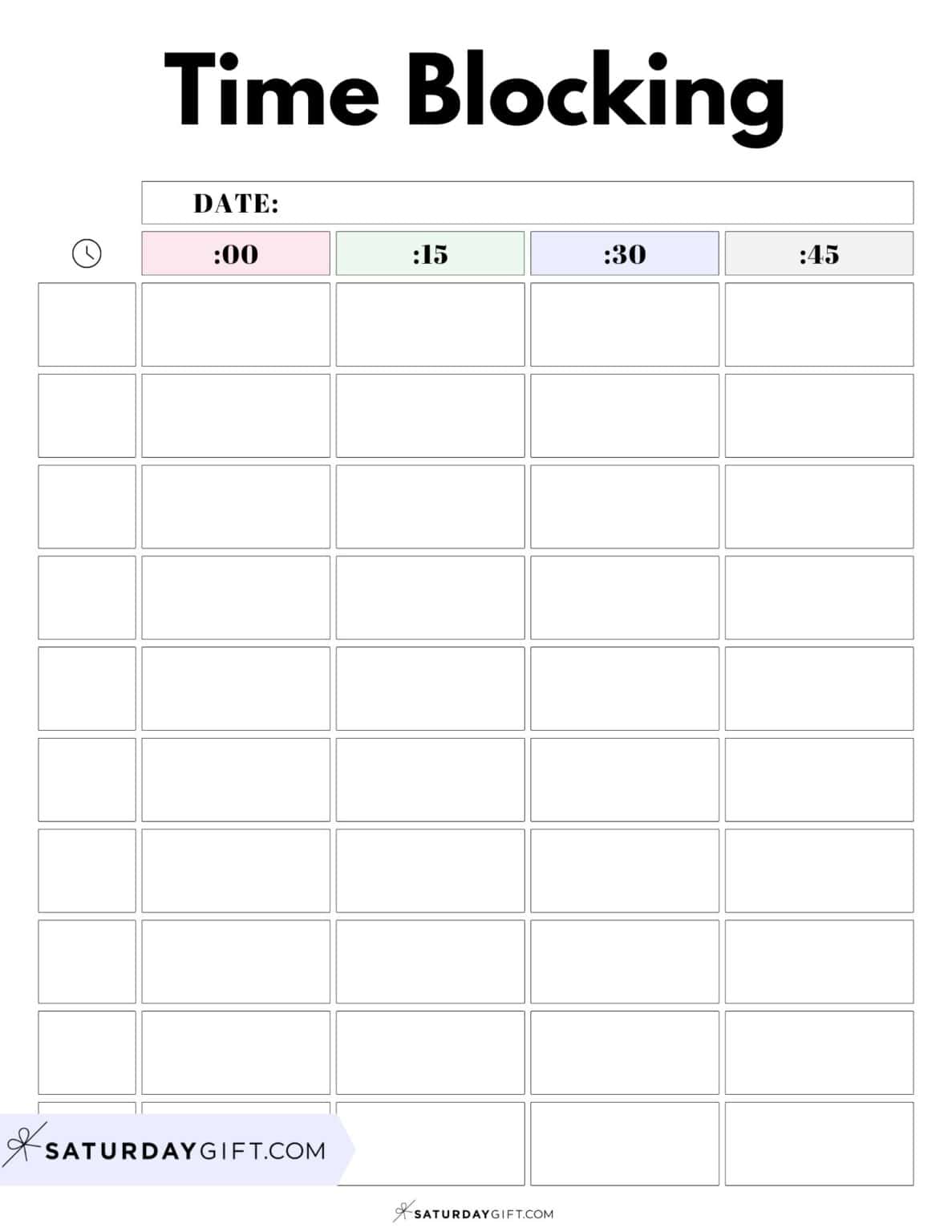
We will design two variations of a daily template.
Template 1: Encounter Day
(Objective: Build connection and tension that culminates naturally in intimacy.)
| Time Block | Activity | Purpose & Optimization Notes |
|---|---|---|
| Morning | Joint Activity: e.g., A walk to a local café, preparing breakfast together. | Starts the day with shared experience and low-pressure connection. Reinforces the friendship foundation. |
| (9am - 12pm) | ||
| Early Afternoon | Downtime / Parallel Activity: e.g., Reading in the same room, individual work/hobbies. | Prevents social exhaustion. Allows for personal space while maintaining a sense of shared presence. Respects autonomy. |
| (12pm - 3pm) | Shared Lunch: e.g., Preparing a simple lunch together. | A point of reconnection. Can incorporate a light 'protocol' from our earlier reading, such as the bull serving the wife, to subtly shift the dynamic and build anticipation. |
| Late Afternoon | "Intentional Connection" Time: Phones away. Dedicated conversation, listening to a shared playlist, or another activity focused purely on each other (non-sexual). | This is a direct application of the "intentional time" principle. It is a crucial bridge activity, moving from platonic connection towards a more intimate headspace. |
| (3pm - 6pm) | ||
| Evening | Shared Task & Transition: e.g., Cooking a special dinner together. The wife might change into something more elegant or alluring for the evening. | The act of cooking together is collaborative and often intimate. The change of attire is a powerful non-verbal signal that the evening is transitioning towards the planned intimate encounter. |
| (6pm - 8pm) | ||
| Night | "Intimacy Window": e.g., Watching a film, sharing a drink. The environment is curated (lighting, music). There is no pressure to initiate at a specific moment. | This is the scheduled block for intimacy to occur. Framing it as a 'window' rather than a 'slot' allows the encounter to unfold organically, fulfilling the unmet needs mechanism without feeling transactional. |
| (8pm onwards) |
Template 2: Recovery & Anticipation Day
(Objective: Reinforce the non-sexual bond, allow for psychological reset, and build anticipation for the next encounter.)
| Time Block | Activity | Purpose & Optimization Notes |
|---|---|---|
| Morning | Separate Activities: e.g., One person goes to the gym, the other meditates or journals. | Provides a distinct break and necessary personal space. This "resets the adaptation" as discussed in the previous lesson. It creates a small, healthy distance that fuels the desire to reconnect later. |
| (9am - 12pm) | Reconnect over Brunch/Lunch: | The first point of contact after a period of separation. This makes the reconnection more intentional. |
| Afternoon | Productive/Social Activity: e.g., Running a household errand together, visiting a museum, or having a non-intimate friend over (if discretion allows and it's pre-approved by the husband). | Grounding the connection in "normal life" activities is essential for the best friend trust mechanism. It reinforces that their bond is not solely based on the sexual arrangement. |
| (12pm - 5pm) | ||
| Evening | Relaxed Entertainment: e.g., Ordering takeout, watching a TV series. The focus is on comfort and ease, with no pressure for intimate escalation. | This is 'passive time' enjoyed together. It lowers the intensity from an encounter day, allowing the nervous system to relax. It’s the comfortable silence of old friends. |
| (5pm onwards) | Brief "Anticipation" Cue: A brief, deliberate mention of the next planned encounter. e.g., "I'm looking forward to our evening on Wednesday." | This is a small but powerful intervention. It explicitly plants the seed of anticipation for the next encounter, ensuring the 'dopamine of seeking' system is engaged, as we learned from Sapolsky's research. This bridges the gap to the next encounter day. |
Conclusion
You have now constructed a flexible yet robust daily scheduling template that operationalizes your strategic plan. The key takeaway is that the structure of the day is as important as the activities within it. By differentiating between "Encounter Days" and "Recovery Days," and by consciously scheduling "intentional time" alongside domestic routines and personal downtime, you create an environment that is optimized for both intimate fulfillment and trust reinforcement. This template is a blueprint for efficiency, ensuring that every hour contributes to the overall success of the arrangement.
In the next lesson, we will integrate a critical component into this daily template: scheduling communication windows with the absent husband. We will design a protocol for husband-wife and husband-bull communications that reinforces trust and provides reassurance without creating a dynamic of surveillance, further strengthening the entire system.