In our previous lessons, we've established Meursault's place on the map and outlined the range of wines it produces. You now have a framework for what's in the bottle, from village Chardonnay to Premier Cru, and even the rare reds. Today, we address a more fundamental question: why does Meursault command such reverence? This lesson explores the pillars of its prestigious standing in the world of white Burgundy, moving from the wines' reputation to the very reasons it exists.
To begin, let's frame Meursault's status. It is often spoken of as part of Burgundy's "Golden Triangle" for white wines, alongside its illustrious neighbors, Puligny-Montrachet and Chassagne-Montrachet.
Meursault Wine: Everything you need to know
This short clip from the Intovino channel immediately establishes Meursault's place in the top tier of white Burgundy.
Watch the introduction from the beginning, where the narrator introduces the "Golden Triangle." Then, listen to the powerful concluding statement from the end of the video, which leaves no doubt about the village's global standing.
This reputation is not accidental. It's the result of a unique combination of terroir, history, human effort, and a singular style that has captivated wine lovers for generations.
The King Without a Crown
One of the most intriguing aspects of Meursault's prestige is that it thrives without any Grand Cru vineyards. Its neighbors, Puligny and Chassagne, boast sections of the legendary Le Montrachet vineyard, the undisputed pinnacle of white Burgundy. Yet, Meursault's top vineyards are spoken of in the same breath.
This is the great paradox of Meursault: its finest Premier Cru vineyards are widely considered to be of Grand Cru quality, even if the official classification, established in the 1930s, doesn't reflect it.
The video below explains this dynamic and introduces the classic Meursault style that underpins this reputation.
How are Meursault, Chablis, Puligny & Chassagne Montrachet Different? Top White Wines From Burgundy
This segment from Alti Wine Exchange explains why the absence of a Grand Cru title doesn't diminish Meursault's status.
Watch the section on Meursault from this timestamp. Pay close attention to the discussion of the Premier Crus, particularly the mention that Les Perrières is "generally considered as making wines of Grand Cru quality." The description of the "opulent style" is also key to understanding its appeal.
This idea is more than just wine-lover speculation. It is an active conversation within Burgundy itself. The village and its producers have long felt that at least one of their vineyards deserves promotion.
This article from Skurnik Wines captures the sentiment on the ground in Burgundy.
Read the first paragraph. Notice the mention of "petitions to make 1er Cru Perrières a Grand Cru," which confirms that this is a serious pursuit, reflecting the deep-seated belief in the exceptional quality of this particular site.
This ongoing campaign for Grand Cru status is a testament to the collective confidence in Meursault's terroir. The village's prestige is so strong that it challenges the very hierarchy that defines Burgundy.
The Power of the Land and the People
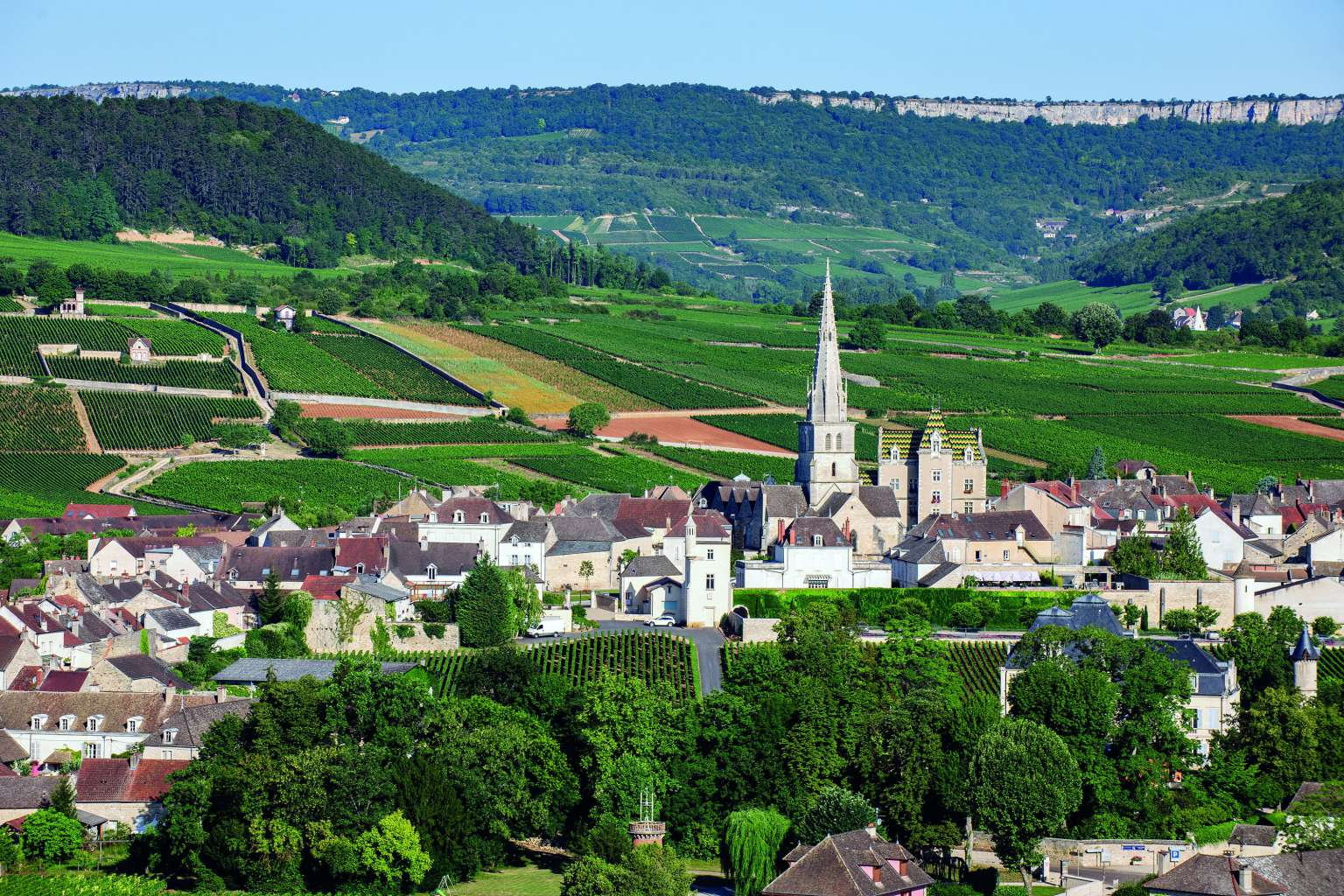
Meursault's reputation isn't built on just one or two top vineyards. A significant reason for its standing is the remarkably high quality found across the entire appellation, including its "simple" village-level sites. As you've started to learn, many of these vineyards, or lieux-dits, possess unique characters that rival more highly classified sites in other villages.
Wine critic William Kelley makes a powerful point about this depth of quality.
What is Meursault? – William Kelley
In this excerpt from his article, Kelley explains how the quality of Meursault's village wines is a critical component of its fame.
Read the second paragraph, from "Where does that leave the identity...". The key sentence to absorb is this: "From the cellars of Domaines like Fichet, Roulot, Coche-Dury and Pierre Morey, these wines surpass many of the Côte de Beaune’s white Premier and even Grand Crus from less exalted addresses."
This is a crucial insight. It means that in Meursault, the name of the producer can be as important, if not more so, than the classification of the vineyard. This leads to the second pillar of its prestige: the people.
Meursault has an unusually high concentration of exceptionally talented, quality-obsessed growers who bottle their own wine. This wasn't always a choice. Historically, as noted in the "A Tale of Two Meursaults" article, there were times when Meursault was less fashionable than Puligny-Montrachet. Large merchants (négociants) were less interested in buying the growers' barrels, forcing them to "go it alone." This historical necessity fostered a fierce independence and a culture of domaine bottling that ultimately became the village's greatest strength, allowing dozens of producers to build their own reputations based on the quality of their work. Your familiarity with names like Coche-Dury, Roulot, and Lafon is a direct result of this phenomenon.
A Style of "Seduction and Contemplation"
Finally, Meursault's prestige is intrinsically linked to its signature style. The "opulent, nutty, rich, and generous" character described in the Alti Wine Exchange video is what many people picture when they think of great white Burgundy. It is a wine of texture and power, often aged in oak barrels, which imparts notes of butter, vanilla, and spice.
However, great Meursault is never just about richness. It is the balance of this opulence with vibrant acidity and a strong mineral core that makes the wines so compelling. This duality is what the vigneron in the Skurnik article was referring to when he said, "Meursault is able to walk the line between seduction and contemplation." It is a wine that can be both immediately pleasurable and intellectually fascinating.
Furthermore, this balance gives the best Meursaults an extraordinary ability to age, developing complex aromas of honey and dried fruits over decades. This longevity is the ultimate hallmark of a world-class wine.
Conclusion
In this lesson, we've explored the foundations of Meursault's elite reputation. It is a prestige built not on a single Grand Cru, but on a broader and deeper base of quality.
Here are the key takeaways:
- Quality Beyond Classification: Meursault's top Premier Cru vineyards, especially Les Perrières, are widely considered to be of Grand Cru quality, and even its village sites can produce extraordinary wines.
- A Culture of Growers: The village has a high concentration of independent, quality-focused producers who have built their own and the village's reputation by bottling their own wine.
- A Defining Style: The classic Meursault profile—a compelling balance of opulence and acidity, richness and minerality—has become a benchmark for great Chardonnay worldwide.
- Aging Potential: The best examples have a proven ability to evolve and improve for many years, a key indicator of a wine's noble standing.
You now understand what Meursault produces and why it is so revered. In our next lesson, we will begin to look at the land itself, identifying the key geographical features—the slopes, valleys, and soil—that give birth to these exceptional wines.