Introduction
Welcome to our next lesson. In our previous session, we thoroughly explored the regimens for Varsha, Sharad, and Hemanta Ritus, the three seasons constituting the nourishing Visarga Kala (Dakshinayana). We saw how this period is characterized by the growing strength of the moon, which gradually builds our physical Bala (strength).
Today, we complete our tour of the seasonal cycle by focusing on the second half of the year: Adana Kala, or Uttarayana. This "period of extraction" is governed by the increasing power of the sun, which progressively depletes the earth's cooling qualities and, consequently, our own bodily strength and moisture. Your learning outcome for this lesson is to detail specific Ahara (diet) and Vihara (lifestyle) guidelines for Shishira, Vasanta, and Grishma Ritus. We will dissect the classical recommendations for each season, explore the underlying physiological changes, and integrate modern perspectives on metabolism and gut microbiota, equipping you with a comprehensive clinical framework.
1. Understanding Adana Kala: The Period of Depletion
Before we delve into the specific Ritus, let's solidify our understanding of Adana Kala. Lasting from Shishira to Grishma, this period sees the sun travel north, becoming progressively more powerful. Its rays become intensely hot (Tikshna) and drying (Ruksha).
This environmental shift has three primary effects on the body:
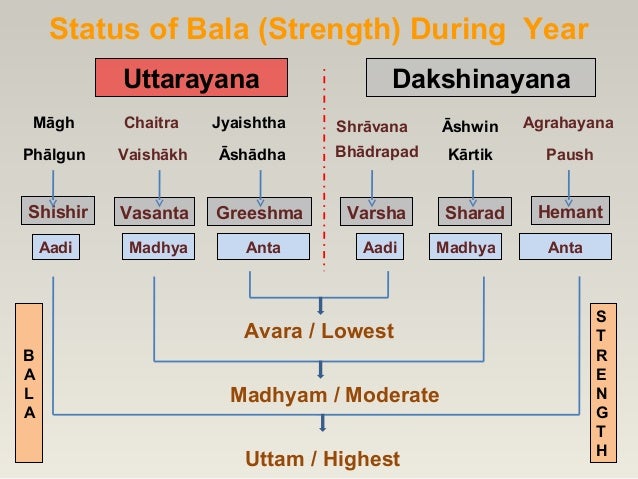
- Depletion of Bala (Strength): The body's strength is gradually drained, moving from highest in Hemanta/Shishira to lowest in Grishma.
- Dominance of Tastes: The dominant tastes (Rasa) in nature become Tikta (bitter), Kashaya (astringent), and Katu (pungent), which are generally drying and catabolic.
- Aggravation of Doshas: This period sets the stage for the accumulation and aggravation of Kapha, followed by the accumulation of Vata.
The following resource from Ashtanga Hridayam provides the classical definition of Adana Kala.
Ashtanga Hrudaya Sutra Sthana Chapter 3: Ritucharya ...
Let's begin by reading the classical description of Uttarayana (Adana Kala) from the Ritucharya chapter of Ashtanga Hridayam. This will set the context for the three seasons we are about to study.
Read the section titled 'Uttarayana – Adana kala – Northern Solstice – mid January to mid July'. Focus on the description of the sun and wind's qualities and the resulting impact on the earth's moisture and the dominant tastes.
This chart visually summarises the fluctuation of Bala across the six Ritus. Notice the decline from Uttam (Highest) to Avara (Lowest) during Adana Kala.
2. Shishira Ritu (Late Winter): Intensified Cold and Dryness
Shishira Ritu (mid-January to mid-March) is physiologically an extension of Hemanta Ritu. The cold is more intense, and a key distinguishing feature emerges: increasing Rukshata (dryness) due to the influence of Adana Kala.
- Physiological State:
- Dosha: Kapha Sanchaya (accumulation) continues and intensifies.
- Agni: Remains powerful (Tikshna), as the severe external cold constricts the peripheral channels, trapping heat in the Koshtha.
- Bala: Remains high (Uttam), but the depleting nature of Adana Kala begins.
Key Recommendations for Shishira Ritu
The regimen for Shishira is essentially an intensified version of the Hemanta regimen you studied previously. The goal is to provide ample "fuel" for the strong Agni and to counteract the severe cold and increasing dryness.
Ashtanga Hrudaya Sutra Sthana Chapter 3: Ritucharya ... & 31-Vineeta Singh
Let's examine the classical texts for the specific guidelines. Ashtanga Hridayam states that the Hemanta regimen should be followed with more intensity. We'll also read a modern analysis that links this regimen to gut microbiota changes in cold weather.
In the Ashtanga Hridayam resource (LINK), read the short section 'Shishira Rutu charya – Ayurveda winter regimen – Mid January to Mid March'. Note the emphasis on adopting the Hemanta regimen 'with more intensity' due to increased cold and dryness.
Now, let's explore the evidence-based perspective. This research article discusses the Hemanta and Shishira regimens together, explaining how a high-fat, high-sugar diet recommended in these seasons supports changes in gut flora necessary for energy homeostasis in the cold.
Read the section 'Hemanta and Shisira Ritucharya (Early and Late winter regimen)'. Focus on how the prescribed diet (Snigdha, Madhura, high-fat) influences gut bacteria like Firmicutes and Verrucomicrobia to increase calorie absorption and support the host during periods of high energy requirement.
Ahara (Diet): The focus is on Guru (heavy), Snigdha (unctuous) foods and Madhura, Amla, Lavana tastes.
- Indicated: Foods made from freshly harvested grains, wheat, black gram (Masha), milk products, sugarcane derivatives (jaggery), sesame oil, and meat of fatty animals. Warm water is essential.
- Contraindicated: Katu, Tikta, Kashaya foods. Light, cold, and dry foods.
Vihara (Lifestyle): The aim is to conserve warmth and combat dryness.
- Indicated: Regular Abhyanga (oil massage), Udvartana (powder massage), Swedana (sudation), and exposure to sunlight (Atapa Sevana). Reside in warm, wind-protected spaces. Wear warm, heavy clothing (wool, silk).
- Contraindicated: Exposure to cold wind, fasting, and consuming insufficient food.
3. Vasanta Ritu (Spring): Managing Kapha Prakopa
As the sun's strength grows in Vasanta Ritu (mid-March to mid-May), the accumulated Kapha from Shishira begins to liquefy, much like snow melting in the spring sun. This liquefied Kapha floods the body's channels, obstructs them, and significantly dampens the digestive fire (Agni). This leads to a state of Kapha Prakopa (aggravation).
- Physiological State:
- Dosha: Kapha Prakopa is the dominant feature.
- Agni: Becomes weak (Mandagni).
- Bala: Declines to a moderate level (Madhyama).
The following image beautifully illustrates this core concept.

Key Recommendations for Vasanta Ritu
The entire regimen is designed to counter the aggravated, liquid Kapha and re-ignite Agni.
Ashtanga Hrudaya Sutra Sthana Chapter 3: Ritucharya ...
Let's study the detailed regimen for Vasanta from Ashtanga Hridayam. Pay close attention to the therapies, dietary qualities, and specific foods recommended to pacify Kapha.
Read the section 'Vasanta Rutucharya – Ayurveda Spring regimen'. Note the primary therapies suggested (Vamana, Nasya), the qualities of food (Laghu, Ruksha), the recommended tastes (Katu, Tikta, Kashaya), and specific food items like old barley (Purana Yava) and honey (Madhu). Also, note the activities that are contraindicated, especially Divaswapna (day sleep).
Ahara (Diet): The focus is on Laghu (light), Ruksha (dry) foods and Katu, Tikta, Kashaya tastes.
- Indicated: Old barley (Yava), wheat (Godhuma), honey (Madhu), and meat of desert animals (Jangala Mamsa). Drinks like honey water (Madhvambu) or water boiled with ginger or Musta are beneficial.
- Contraindicated: Guru (heavy), Snigdha (oily), Sheeta (cold), Amla (sour), and Madhura (sweet) foods. Day sleep (Divaswapna) is strictly forbidden as it further increases Kapha.
Vihara (Lifestyle): The aim is to increase metabolism and reduce Kapha.
- Indicated: Vigorous Vyayama (exercise), Udvartana (dry powder massage), Kavala (gargling), and Anjana (collyrium). Vamana is the recommended Shodhana (purification) for this season.
- Contraindicated: Sedentary lifestyle, day sleep, and exposure to cold.
Modern Correlation: Gut Microbiota in Spring
Modern research is beginning to align with these ancient recommendations. The emphasis on specific foods like barley has been shown to positively influence gut flora.
This research article provides an excellent correlation between the Vasanta regimen and gut health. It discusses how exercise and dietary choices like barley can alter the gut microbiome in ways that support metabolic health, which is crucial when Agni is compromised.
Read the section 'Vasanta Ritucharya (Spring regimen)'. Focus on the connection between barley consumption and the Prevotella/Bacteroides ratio, and how exercise can help reduce the Firmicutes population, which tends to increase in spring and is associated with obesity.
4. Grishma Ritu (Summer): Cooling, Conserving, and Countering Dryness
In Grishma Ritu (mid-May to mid-July), the sun is at its most powerful. The intense heat and dryness lead to extreme depletion of the body's cooling, unctuous qualities (Saumya Guna).
- Physiological State:
- Dosha: The dryness initiates Vata Sanchaya (accumulation), while the heat pacifies the recently aggravated Kapha (Kapha Prashama).
- Agni: Becomes weak (Manda) again, this time due to the debilitating heat.
- Bala: Reaches its lowest point of the year (Heena).
Key Recommendations for Grishma Ritu
The regimen is focused on cooling the body, replenishing fluids, preserving strength, and pacifying the accumulating Vata.
Ashtanga Hrudaya Sutra Sthana Chapter 3: Ritucharya ...
Now, let's turn to Ashtanga Hridayam for the comprehensive Grishma regimen. Note the emphasis on sweet taste and cooling, liquid foods. It provides a rich list of recommended preparations and lifestyle activities.
Read the section 'Greeshma Ritucharya (Ayurveda Summer Regimen)'. Pay special attention to the recommended taste (Madhura), qualities of food (Laghu, Snigdha, Hima, Drava), and specific food items like Shali rice, Saktu, and buffalo milk. Also, review the detailed lifestyle advice for both day and night to combat heat, and the specific contraindications like exercise and alcohol.
Ahara (Diet): The focus is on Madhura Rasa (sweet taste) and foods that are Sheeta (cold), Drava (liquid), and Snigdha (unctuous but light).
- Indicated: Shali rice, milk, ghee, and cooling fruit juices. A special preparation, Saktu (roasted barley flour), mixed with sugar and water is highly recommended. Cooling drinks like Panaka and Rasala (sweetened churned curd) are beneficial.
- Contraindicated: Lavana, Katu, Amla tastes. Hot and dry foods. Alcohol should be avoided or taken in very small quantities, heavily diluted with water.
Vihara (Lifestyle): The aim is to avoid heat and conserve energy.
- Indicated: Staying indoors in cool places during the day. Applying cooling pastes like sandalwood (Chandana). Wearing light, thin clothes. Enjoying evening breezes and moonlight. Short day-naps are permissible to compensate for shorter nights and combat heat-induced fatigue.
- Contraindicated: Heavy Vyayama (exercise), excessive sexual activity, and exposure to direct sunlight.
Modern Correlation: Gut Microbiota in Summer
The dietary shift towards more fruits and carbohydrates in summer also has a basis in gut ecology.
Let's look at the modern research perspective for the Grishma regimen. This section explains how a diet rich in carbohydrates from fruits and vegetables supports a different set of gut microbes that are proficient at digesting plant matter.
Read the section 'Grishma Ritucharya (Summer regimen)'. Note how the recommended diet supports the Bacteroidetes phylum, which is adept at breaking down complex plant carbohydrates. This explains the rationale behind consuming more fruits and vegetables in summer.
Test your understanding!
A 42-year-old patient with a Kapha-Pitta Prakruti reports experiencing seasonal allergies (rhinitis, heaviness in the head) every spring (Vasanta) and episodes of acid reflux and irritability every summer (Grishma).
Contrast the core principles of the Ahara and Vihara you would advise for him in Vasanta versus Grishma to manage these distinct seasonal complaints.
Show answer
The advice would target the dominant Dosha Prakopa of each season.
-
For Vasanta Ritu (to counter Kapha Prakopa):
- Ahara Principle: The diet must be Laghu (light), Ruksha (dry), and use Katu, Tikta, Kashaya tastes to dry and scrape the excess, liquefied Kapha. I would advise him to add ginger-spiced barley soup and honey to his diet, while strictly avoiding dairy, sweets, and fried foods.
- Vihara Principle: The lifestyle must be active to metabolize Kapha. I would recommend vigorous morning exercise like a brisk walk or Surya Namaskar and strongly advise against sleeping during the day, which would worsen his sinus congestion and heaviness.
-
For Grishma Ritu (to counter heat and prevent Pitta vitiation):
- Ahara Principle: The diet must be Sheeta (cooling), Drava (liquid), and primarily Madhura (sweet) to combat the environmental heat and prevent Pitta from flaring. I would recommend sweet lassi (Rasala), coconut water, and rice with ghee, while advising him to avoid spicy, sour, and salty foods like pickles and hot curries, which would trigger his acid reflux.
- Vihara Principle: The lifestyle must be one of conservation and cooling. I would advise him to avoid midday sun exposure and strenuous exercise. A short nap in a cool room during the day is permissible. An evening walk under the moonlight would be beneficial to calm his irritability.
Conclusion
You have now completed a comprehensive study of the regimens for Adana Kala. By understanding the progressive depletion of strength and the specific Doshic states of each season, you can provide targeted and effective preventive advice.
Key Takeaways:
- Shishira Ritu: An intensified Hemanta regimen focusing on heavy, nourishing, and warm Ahara and Vihara to combat extreme cold and dryness while fuelling a strong Agni.
- Vasanta Ritu: A regimen designed to counter Kapha Prakopa. It emphasizes light, dry foods with pungent/bitter/astringent tastes, alongside vigorous exercise and cleansing therapies like Vamana.
- Grishma Ritu: A cooling and conservative regimen to protect the body from extreme heat and prevent exhaustion. It prioritizes sweet, liquid, cold foods and minimizes physical exertion.
Preview of the Next Lesson:
Having mastered the six individual Ritus, a crucial clinical question arises: how do we guide a patient from one seasonal regimen to the next without causing imbalance? In our next lesson, we will analyze the concept and clinical management of Ritusandhi (the inter-seasonal period) to ensure a smooth and healthy transition throughout the year.