Introduction
Welcome to the first lesson of Module 2. In the previous module, we focused exclusively on the dynamic between the mentor and the wife, culminating in the design of a 'transition ritual' to help the mentor move between his professional and romantic roles. We established that consciously managing these "hats" is crucial for the health of their connection.
Now, we broaden our lens to include the third person in this V-relationship: the husband. This module explores the mentor's complex relationship with the husband, who is simultaneously his student and his metamour.
Today's learning outcome is to distinguish the role of a professional guide from the role of a metamour friend in daily interactions with the husband. Just as the mentor needs to separate his roles with the wife, he must also maintain clear boundaries with the husband. Failing to do so can undermine his professional credibility, create confusion and resentment for the husband, and destabilize the entire triad.
1. Defining the Roles and Their Inherent Challenges
The mentor's relationship with the husband requires him to navigate two distinct and sometimes conflicting roles:
-
The Professional Guide: In this capacity, the mentor is a superior. His function is to provide objective, sometimes critical, feedback to help the husband grow professionally. The relationship is structured, hierarchical, and goal-oriented. Communication must be clear, direct, and focused on professional matters.
-
The Metamour Friend: In this capacity, the mentor is a peer. He is connected to the husband through their shared love for the wife. The ideal relationship is egalitarian, supportive, and based on mutual respect and camaraderie. Communication is informal, reciprocal, and covers a wide range of personal and social topics.
The central difficulty lies in the potential for these roles to bleed into one another. As a social researcher, you understand the concept of role conflict, where the expectations of one role clash with the expectations of another. This is the primary challenge the mentor faces.
The business world offers a surprisingly relevant framework for understanding this challenge.
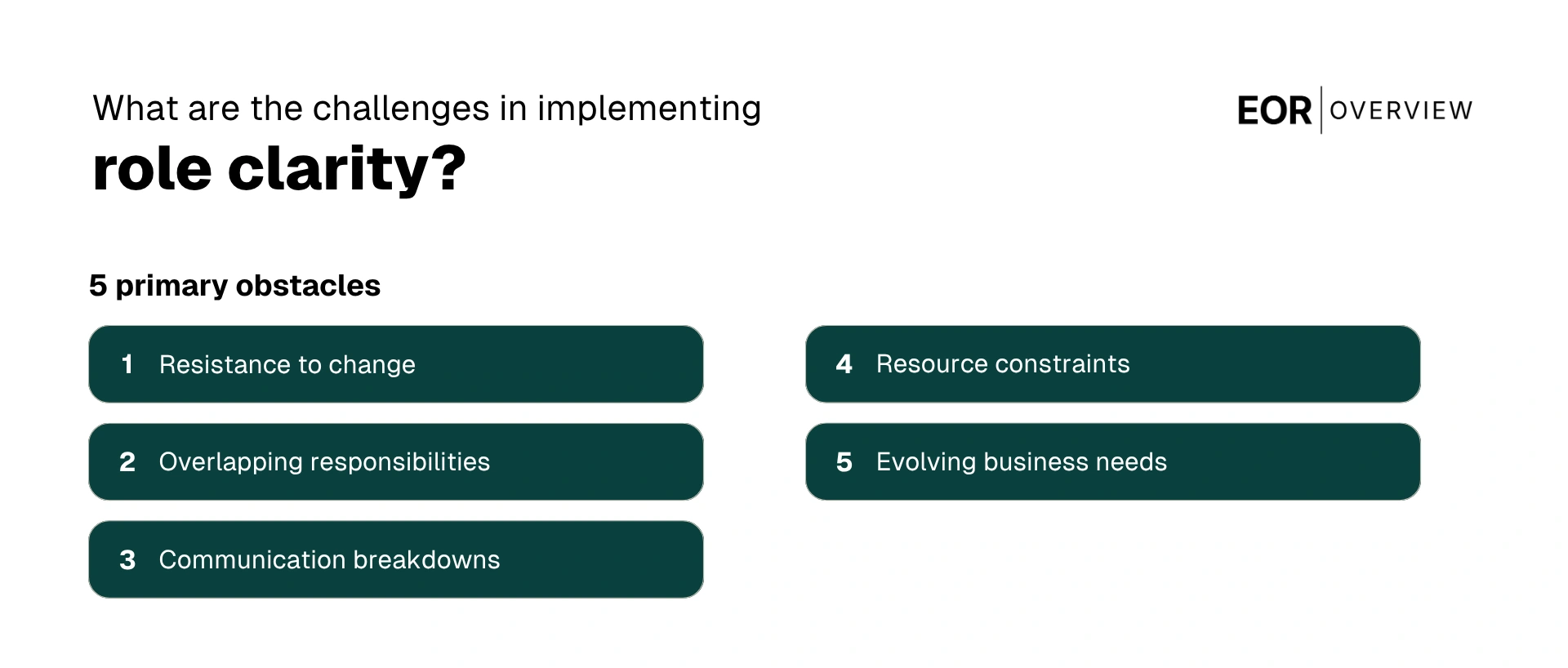
Of the challenges listed in the image, "Overlapping responsibilities" is the most pertinent here.
- As a guide, the mentor has a responsibility to be impartial and push the husband out of his comfort zone.
- As a friend, the mentor has a responsibility to be supportive and create a sense of ease and belonging.
What happens when the husband makes a professional mistake? The guide must address it. The friend might want to ignore it to avoid conflict. Navigating this overlap without clear role differentiation is a recipe for a "Communication breakdown," another key challenge highlighted in the image.
2. Context is Everything: Practical Strategies for Role Distinction
The most effective strategy for managing these roles is to let the context dictate which "hat" the mentor wears. The mentor must become adept at reading situations and signaling his operative role to the husband. This prevents ambiguity and ensures the husband knows who he is talking to at any given moment: the mentor or the friend.
Let's break this down with concrete examples.
| Context | Operative Role | Communication Style | Topics of Discussion | Boundary-Setting Language |
|---|---|---|---|---|
| Scheduled Mentorship Meeting (in a home office or designated workspace) | Professional Guide | Formal, structured, agenda-driven. Mentor leads the conversation. | Career goals, project feedback, skill acquisition, industry trends. | "Let's focus on the agenda for today." "That's a topic for another time. Let's stick to the project plan." |
| Group Dinner or Social Outing (with the wife and/or other friends) | Metamour Friend | Informal, relaxed, reciprocal. Turn-taking in conversation. | Hobbies, current events, movies, travel plans, shared anecdotes. | "Let's leave work at the office." "Tonight, I'm just [Mentor's First Name], not your mentor." |
| Unplanned One-on-One Encounter (e.g., in the kitchen) | Default to Friend; Clarify if Needed | Casual, friendly. | General check-in: "How's your day going?" | If the husband brings up work: "Is this a quick question, or should we schedule time to discuss this properly?" |
Signaling the Role
Building on what we learned in the last lesson, the mentor can use signals to make role transitions clear:
- Verbal Signals: Explicitly stating the purpose of the conversation. For example, "I'm putting on my mentor hat for a moment..." or, conversely, "Okay, work talk is over for the day."
- Environmental Signals: Deliberately using different spaces for different roles. Professional conversations happen in the study; friendly conversations happen in the living room or outside the home. This creates a physical boundary that reinforces the mental one.
- Behavioral Signals: The mentor’s posture and demeanor can change. In a mentorship role, he might sit more formally, take notes, and lead the discussion. In a friend role, he would be more relaxed, lean back, and share personal stories.
The goal of these strategies is to create predictability and safety for the husband. He should never have to guess whether an offhand comment will be met with a friendly ear or a critical evaluation.
3. The Impact on Intimacy and Integrity
Now, we address the requirement to connect this to the mentor's intimate life with the wife. The diligence required to separate roles with the husband is not just about professional ethics or maintaining a friendship; it's fundamental to the mentor's own sense of integrity, which directly impacts his ability to be present and authentic in his relationship with the wife.
If the mentor's roles with the husband are blurred, it can introduce a sense of guilt, conflict, or division into his mind. This mental "noise" can follow him into the bedroom, polluting the intimacy he shares with the wife.
Consider this brief internal reflection from the mentor's perspective, during a moment of intimacy with the wife, on a day he had a productive but challenging mentorship session with the husband:
Mentor's Internal Thought: "Being with her now feels clean. Honest. The conversation with [Husband's Name] this afternoon was tough, but we kept it in the 'mentor box.' He knew where I was coming from, and we ended with a clear plan. Because that boundary was respected, there's no feeling of having betrayed him now. I'm not his mentor in this moment. I'm not even his friend. I'm just her lover. And that clarity... that's what makes this possible."
This thought process reveals a crucial insight: successfully compartmentalizing his roles with the husband allows the mentor to feel psychologically "in the clear" during intimacy with the wife. It removes the taint of role-conflict and allows him to be fully present. The effort he puts into daily interactions with the husband directly preserves the sanctity of his private time with the wife.
Conclusion
In this lesson, we laid the groundwork for understanding the mentor's dynamic with the husband. We established that a clear distinction between the "professional guide" and "metamour friend" roles is not an abstract ideal but a practical necessity.
Key Takeaways:
- The mentor must actively manage two distinct roles with the husband: the hierarchical professional guide and the egalitarian metamour friend.
- The primary challenge is managing overlapping responsibilities and avoiding communication breakdowns, as seen in the role clarity framework.
- The most effective tool for distinguishing roles is context. The setting, purpose, and signals of an interaction should make the operative role clear.
- Maintaining these boundaries is essential for the mentor's own sense of integrity, which directly enables him to be fully present and emotionally available in his intimate relationship with the wife.
Preview of the Next Lesson:
We have just examined how the mentor can distinguish his roles with the husband in daily life. This practical separation is the foundation for navigating the complex emotions that arise from this unique situation. In our next lesson, we will dive deeper into the mentor's internal world by analyzing the mentor's internal monologue regarding his loyalty to the husband during sexual intercourse with the wife.