Introduction
Welcome to the first lesson of Module 6. In our previous module, we concluded by focusing on your relationship with your husband, specifically on formulating reassurances to validate his primary role amidst the professional rivalry you both share regarding your mentor. We established a clear vocabulary for affirming his unique and foundational position in your life.
Now, we pivot our focus to the other critical dyad in your V-relationship: the dynamic between you and your mentor. This module, "The Wife: Balancing Respect and Sex," delves into the intricate dance of navigating a relationship that is simultaneously professional and deeply intimate.
Today's lesson directly addresses the learning outcome: Analyze the intersection of power dynamics in the bedroom versus the boardroom using specific interaction examples. As a social researcher, you are well-versed in using theoretical frameworks to dissect complex human interactions. We will do just that, employing a clear model of power to map out how authority, influence, and desire shift between your professional and personal lives.
A Framework for Understanding Power
Power in relationships is not monolithic. It is a fluid and multifaceted force that changes based on context. To analyze this effectively, we can use a well-established model from social psychology: French and Raven's Bases of Power. This model categorizes power into two main types: Positional and Personal.
Let's look at a visual representation of this framework.
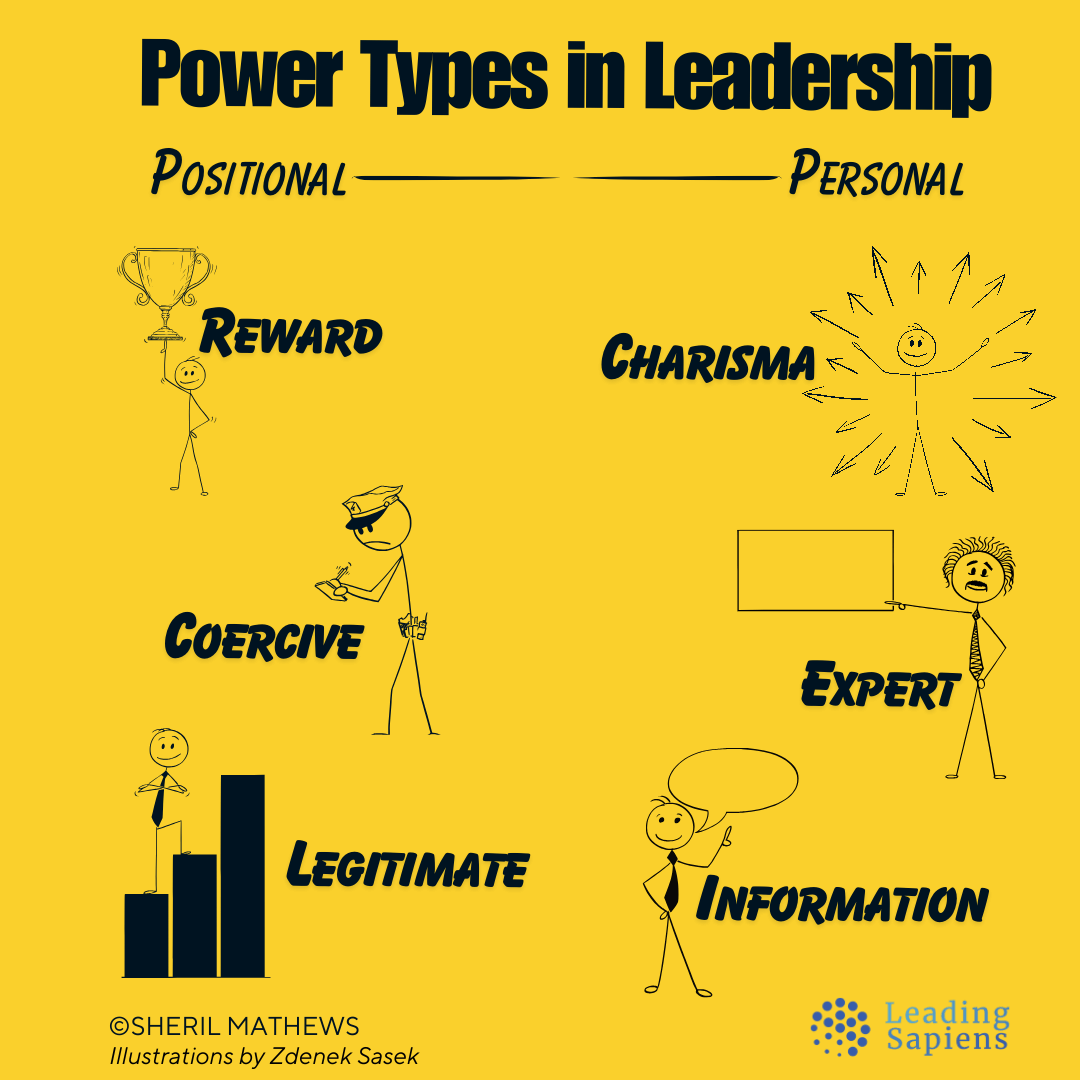
Here is a breakdown of these six sources of power, which we will use as our analytical toolkit:
A. Positional Power (Derived from a role or position)
- Legitimate Power: This is authority granted by a formal position. In your case, "mentor" is a position that gives him formal standing to guide and assess your professional work.
- Reward Power: This is the ability to give rewards, such as praise, professional opportunities, positive feedback, or even tangible benefits.
- Coercive Power: This is the ability to punish or create negative consequences, such as through criticism, withholding opportunities, or expressing professional disappointment.
B. Personal Power (Derived from the individual's qualities)
4. Expert Power: This comes from having knowledge, skills, or expertise that others value. Your mentor’s professional experience is a primary source of his expert power.
5. Information Power: This is distinct from expert power. It comes from possessing or having access to specific information that someone else needs or wants.
6. Charisma (Referent) Power: This stems from being liked, admired, and respected. The other person wants to be associated with you. In this context, mutual attraction is a potent form of referent power.
These power sources are not mutually exclusive. In any given interaction, several can be at play, and their balance is what defines the dynamic.
Power Dynamics in the "Boardroom": The Professional Context
In your professional interactions, the power dynamic is relatively clear and hierarchical. Let's map it using our framework.
Scenario: You present a project draft to your mentor, and he provides a detailed critique.
In this "boardroom" setting, his power is dominant and originates primarily from:
- Legitimate Power: He is acting in his official capacity as your mentor. You have implicitly agreed to accept his guidance and authority in this domain.
- Expert Power: His feedback is valuable because of his superior knowledge and experience in the field. You defer to his judgment because you want to learn from him.
- Reward/Coercive Power: His feedback contains both. Positive comments act as a reward, motivating you. Critical comments act as a form of coercion, pushing you to improve and avoid his professional disapproval.
Your power in this exchange is more subtle:
- You hold the power of being a promising mentee whose success reflects well on him (a form of Referent Power).
- You may bring unique data or insights to the project (Information Power).
However, the overall structure is one of a respected authority guiding a student. The roles are clear, and the power balance is asymmetrical in his favor.
Power Dynamics in the "Bedroom": The Intimate Context
Now, let's shift the context to an intimate, sexual encounter. The entire map of power reconfigures.
Scenario: After a pleasant dinner, you initiate a sexual encounter, expressing your desire for him.
In this "bedroom" setting, the power dynamics shift dramatically:
- Charisma (Referent) Power: This becomes the dominant force for both of you. The mutual attraction and desire are the central currency of the interaction. Your initiation gives you significant agency.
- Reward Power: You both wield this power through the ability to provide pleasure, affection, and emotional intimacy. When you guide the encounter towards your pleasure, you are exercising your Reward Power over him (the reward being your expressed enjoyment) and for yourself.
- Coercive Power: This exists in its inverse. The ability to withhold intimacy or express dissatisfaction is a form of coercive power that you both hold, ensuring mutual attentiveness.
Notice what has disappeared. His Legitimate Power as "mentor" is irrelevant here. His Expert Power in his professional field grants him no special authority. The dynamic is far more symmetrical, a negotiation between two desiring individuals. You are not a mentee; you are a lover, an equal partner in creating a shared experience.
The Intersection: Where "Boardroom" and "Bedroom" Collide
The true complexity arises at the intersection of these two worlds. Power from one domain inevitably "bleeds through" to the other, creating unique challenges and synergies.
Example 1: Positive Intersection (Professional to Personal)
- Scenario: Your mentor gives you exceptionally positive feedback on a major milestone, telling you your work is "brilliant." Later that evening, you find yourself intensely attracted to him.
- Analysis: His use of professional Reward Power and the validation of his Expert Power have amplified his Charisma (Referent) Power in the intimate domain. The respect you feel for his professional mind translates into heightened desire. His authority doesn't just command respect in the boardroom; it becomes an aphrodisiac in the bedroom.
Example 2: Negative Intersection (Personal to Professional)
- Scenario: You have a minor personal disagreement the night before a big presentation. The next day, when he gives you some last-minute constructive criticism, it feels dismissive and personal, not helpful.
- Analysis: The unresolved tension from the personal domain has made you resistant to his Legitimate and Expert Power. You are not hearing a "mentor"; you are hearing a "lover" with whom you are displeased. The emotional context from the "bedroom" has contaminated the professional dynamic of the "boardroom," undermining the trust required for effective mentorship.
The Mentor's Perspective: A View from the Intersection
As per our course's unique focus, let's analyze the mentor's internal experience during sex, where this intersection is most cognitively active.
-
Mentor's Internal Monologue (During Sex):
Her confidence here is incredible. The way she's not afraid to ask for what she wants... it’s the same quality I’ve been trying to get her to unlock in her professional presentations. She's direct, she takes charge of the experience. It's powerful. I need to find a way to remind her of this feeling when she’s hesitating in front of the board next week. This is the energy she needs to channel.
-
Analysis of the Intersection: This monologue reveals a fascinating bleed-through. Even in a moment of intense intimacy, his "mentor" identity is processing the data. He is not just her lover; he is her observer and guide. He sees her sexual confidence (her Referent and Reward Power in the bedroom) as a resource she can apply in her professional life. In his mind, the "bedroom" becomes a source of data for the "boardroom." This shows that for him, the roles are not just shifting—they are informing each other in real time. The power she demonstrates as a lover is something he, as a mentor, wants to harness for her professional growth.
Conclusion
Today, we established a clear, analytical framework to deconstruct the complex interplay of power in your relationship with your mentor. By differentiating between positional and personal power, we can map the distinct dynamics of your "boardroom" and "bedroom" interactions.
Key Takeaways:
- Power is not a single attribute but a set of six distinct sources: Legitimate, Reward, Coercive, Expert, Information, and Charisma (Referent).
- In the professional context ("boardroom"), the mentor's Legitimate and Expert power create a clear, hierarchical dynamic.
- In the intimate context ("bedroom"), Charisma/Referent and Reward power dominate, creating a more symmetrical and negotiated dynamic.
- The most critical areas for analysis are the "intersections," where dynamics from one context—both positive and negative—influence the other.
- From the mentor's perspective, even an intimate moment can be an occasion for professional observation, where he sees personal strengths as transferable professional assets.
Preview of the Next Lesson:
We have now mapped the "what" of these power dynamics. In our next lesson, we will delve deeper into the subjective experience of navigating them. We will address the learning outcome: "Assess the mentor's internal navigation of power dynamics during sexual intercourse to understand the balance between respect and intimacy." We will build on today's analysis of his internal monologue to explore how he mentally manages the shift from authority figure to intimate partner, ensuring that respect and desire can coexist.