Introduction
Welcome to your next lesson. In our previous discussion, we examined how the profound social and economic shifts of the 6th century BCE created a fertile ground for Buddhism and Jainism. We saw how merchants and rulers, in particular, patronized these new religions, which offered an alternative to the rigid Brahmanical order and provided ideologies suitable for a new era of expanding kingdoms.
This lesson builds directly on that political context. We will now shift our focus from the "why" of state patronage to the "how" of state-building. Our objective is to describe the administrative and revenue innovations under the pre-Mauryan Magadhan and Nanda dynasties. We will analyze the specific mechanisms these early empires developed to govern vast territories, manage resources, and fund their powerful armies. These systems were not just ad-hoc measures; they represent the birth of systematic public administration and fiscal policy in India, laying the essential groundwork for the grand imperial structure of the Mauryas that would follow.
1. The Need for a New System
The expansion of Magadha from a small kingdom (janapada) into a large empire necessitated a fundamental overhaul of governance. The older, simpler administrative structures of the Later Vedic period, based on tribal assemblies and voluntary tribute (bali), were inadequate for ruling a large, diverse population and managing a complex agrarian economy.
To maintain control, project power, and fund their ambitions, the rulers of Magadha needed:
- A large, professional, standing army, loyal to the king.
- A structured bureaucracy to enforce the king's will across the empire.
- A systematic and reliable source of revenue to pay for the army and the administration.
The dynasties that accomplished this transition are our focus today. This chart shows the chronological succession of the key pre-Mauryan dynasties that built the Magadhan state.

2. The Haryanka Blueprint: Forging the Instruments of State
The Haryanka dynasty, particularly its founder Bimbisara, is credited with laying the foundational blueprint for the imperial state. He moved decisively beyond the old tribal model of kingship towards a more centralized and bureaucratic form of government.
Let's begin by exploring the core components of the Magadhan administrative and revenue system.
System of Administration - Magadha Empire
The article 'System of Administration - Magadha Empire' from Prepp.in provides an excellent, structured overview of the key administrative and revenue structures developed during this period. We will use it as our primary reference.
Please read the following sections from the article: Central Administration: Focus on the role of the emperor and the 'Mantriparishad'. Magadha Empire - Military: Note the mention of a standing army paid in cash. Local Administration: Understand the hierarchy from the village ('Gramika') to the district/province ('Pradeshika'). Centralised system of Bimbisara: This is a crucial section. Pay close attention to how Bimbisara established an 'official line of command' for taxation and governance, utilizing village headmen.
Based on this reading, we can identify several key administrative innovations pioneered under the Haryankas:
- A Standing Army: This was perhaps the most significant departure from the past. Instead of relying on temporary tribal levies, Bimbisara established a professional army that was directly paid by and loyal to the state. This provided the coercive power necessary for both expansion and internal control.
- A Centralized Bureaucracy: The king was at the apex, assisted by a council of ministers (Mantriparishad). Crucially, Bimbisara appointed high-ranking officials (Mahamatras) to oversee different departments—judicial, military, and financial. This marks the beginning of a specialized, professional civil service.
- Hierarchical Territorial Administration: The empire was organized into administrative units. The smallest was the village, overseen by a headman (Gramika), who was made responsible for local governance and, critically, tax collection. Larger units, like districts or provinces, were managed by governors (Pradeshikas). This created a clear chain of command from the capital to the countryside.
- Statecraft through Alliances: Bimbisara skillfully used matrimonial alliances with the ruling families of Kosala, Vaishali, and Madra not just as personal ties, but as a strategic tool to secure borders and consolidate political power, an essential part of early state-building.
To supplement this, the following video provides a concise summary of Bimbisara's methods.
Magadha Empire (Ancient Indian History) || English || UPSC Video Lectures|| NCERT || Mission IAS
The video 'Magadha Empire' from The Perspective offers a good overview of Bimbisara's contributions.
Watch the segment from 02:08 to 05:10. This part discusses Bimbisara's establishment of a standing army, his use of matrimonial alliances, and his 'effective and excellent administrative system'.
3. The Fuel of the Empire: Revenue Innovations
A professional army and bureaucracy are expensive. The most critical innovation of the Magadhan state was arguably the creation of a systematic and efficient mechanism for extracting the surplus from the economy. Given your background in finance, you can think of this as the development of the first comprehensive fiscal policy in Indian history.
Let's return to the Prepp.in article to understand the specifics.
System of Administration - Magadha Empire
We will now focus specifically on the revenue-generating machinery of the state.
Please read the section titled Revenue Administration. Note the different sources of revenue and the specific names of the officials appointed for tax collection.
Here are the key revenue innovations:
- From Voluntary to Compulsory Taxation: The traditional voluntary tribute of the Vedic age, bali, was made a mandatory tax. Special officers, the Bali-adhyakshas, were appointed to ensure its collection.
- Professional Tax Officials: The state employed a range of specialized revenue officers, such as the Shulk-adhyaksha (collector of tolls/customs) and Kammika (customs officials). This demonstrates a move towards a professional, specialized tax administration.
- Standardized Land Tax: The primary source of revenue was a tax on agricultural produce, typically fixed at one-sixth (1/6th) of the peasant's output. This shift from arbitrary collection to a fixed rate provided predictability for both the state and the taxpayer.
- Diversified Revenue Portfolio: The state didn't rely on land tax alone. It diversified its revenue streams by levying taxes and tolls on trade, craft production (license fees for artists), mines, forests, and ferries.
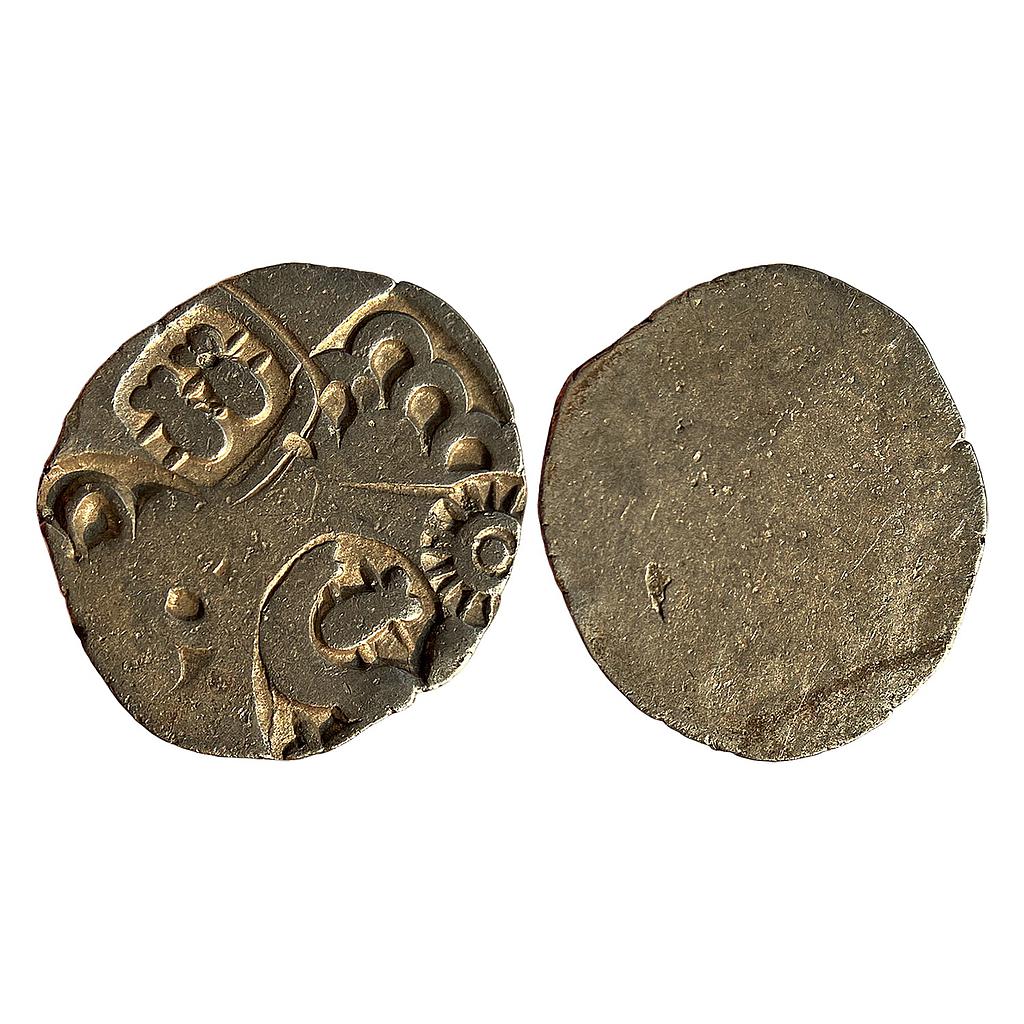
- Monetization and Collection: The widespread use of punch-marked coins was crucial. It facilitated trade, allowed the state to pay its officials and soldiers in cash, and enabled taxes to be collected in cash rather than just in kind. This made the entire economic system more liquid and efficient.
4. The Nanda Dynasty: Intensification and Expansion
The Nanda dynasty, which overthrew the Shishunagas (who had succeeded the Haryankas), inherited this administrative and fiscal machinery and scaled it to an unprecedented level. They are remembered for their immense wealth and massive army, both of which were products of an intensified and ruthlessly efficient application of the systems developed earlier.
Dynasties: Haryanka, Shishunaga, Nanda - A Chronological ...
This article from Tathastu ICS highlights the key features of the Nanda administration, emphasizing its centralization and efficiency.
Read the section on the Nanda Dynasty, focusing on Mahapadma Nanda. Pay attention to the phrases 'highly centralized administration' and 'efficient taxation system'.
The Nandas introduced several key developments:
- Hyper-Centralization: They perfected a highly centralized administrative model, accumulating vast wealth and power in the hands of the state.
- State Investment for Revenue Growth: Mahapadma Nanda is credited with major irrigation projects, including the construction of canals. This was a form of state-led capital investment designed to increase agricultural productivity, which in turn expanded the state's tax base.
- Oppressive Taxation: The efficiency of the Nanda system had a dark side. The last Nanda ruler, Dhana Nanda, became deeply unpopular due to his "oppressive way of extracting taxes." This relentless extraction, while funding a colossal army, created widespread resentment that Chanakya and Chandragupta Maurya would later exploit.
The following video gives specific, vivid details about the Nanda's tax policies.
Nanda Dynasty | Rajvansh: Dynasties Of India | Full Episode | Ancient Indian History | Epic
The documentary 'Nanda Dynasty' from The EPIC Channel provides more detail on both the constructive and oppressive aspects of Nanda rule.
Watch the segment from 02:44 to 04:20. The first part covers Mahapadma Nanda's irrigation projects. The second part describes Dhananand's specific tax policies, including the 1/6th tax, collection in cash or kind, and the requirement for artisans to perform unpaid labor for the king.
The Nanda system, while ultimately overthrown, represents the culmination of pre-Mauryan state-building. They created a powerful, centralized, and wealthy empire that controlled much of northern India, all resting on the administrative and revenue foundations laid by their predecessors.
Conclusion
In this lesson, we have traced the evolution of the state apparatus in pre-Mauryan Magadha. We saw how the political ambitions of rulers led to a series of crucial administrative and revenue innovations that transformed the very nature of governance.
Key Takeaways:
- The Haryanka dynasty, under Bimbisara, created the blueprint for the imperial state by establishing a standing army, a centralized bureaucracy with specialized officials, and a hierarchical administrative structure.
- A systematic revenue system was developed, replacing voluntary tributes with compulsory, regular taxes.
- The state created a professional tax administration with specialized officers and diversified its revenue sources to include land, trade, and crafts.
- The widespread use of punch-marked coins was a key enabler of this new fiscal system.
- The Nanda dynasty intensified and expanded this system, leading to immense wealth and military power but also to oppressive taxation that fostered popular discontent.
These developments were the essential prequel to the Mauryan story. The Mauryas did not create their empire from a vacuum; they inherited and then perfected this powerful administrative and fiscal engine forged by the Haryanka, Shishunaga, and Nanda dynasties.
Preview of the Next Lesson:
As the Magadhan empire consolidated its power in the Gangetic plains, the northwestern part of the subcontinent was experiencing a very different historical trajectory. In our next lesson, we will contextualize the Persian and Macedonian invasions and their cultural and political impact on northwestern India. This will set the stage for the dramatic events that led to the end of the Nanda dynasty and the rise of Chandragupta Maurya.