Hello! Welcome back to your Hindi lessons.
In the last couple of sessions, we've built a solid foundation for expressing your personal perspective. You learned how to state what you like or dislike using the pasand hai structure, and how to say what you need or want using chahiye.
Today, we're going to make your conversations interactive. You'll learn how to ask other people—like your future live stream audience—about their preferences. By the end of this lesson, you'll be able to confidently ask someone about their likes and dislikes, focusing on movies and songs, which is central to your goal of discussing Indian pop culture.
1. Turning a Statement into a Question
Let's start by revisiting the structure you already know:
Mujhe [movie] pasand hai.(I like [movie].)
To turn this into a question asking which movie someone likes, we just need to make two simple changes:
- Change the experiencer from
mujhe(to me) toaapko(to you, formal) ortumhe(to you, familiar). - Add the question word for "which" —
kaunsa,kaunsi, orkaunse.
The question word kaunsa/kaunsi/kaunse must agree with the gender and number of the noun it describes.
kaunsa: for masculine singular nouns (e.g.,gaana- song)kaunsi: for feminine singular or plural nouns (e.g.,film- movie)
So, the most direct way to ask "Which movie do you like?" is:
Aapko kaunsi film pasand hai?
Let's look at a few examples from native speakers to see how this works in practice.
How do you say this in Hindi? which movie do you like?
This HiNative forum thread, 'which movie do you like?', shows several natural ways to ask this question. It's a great resource to see the variations people use in daily conversation.
Please review the first, third, and sixth answers on the page. Notice how they all use the 'Aapko... pasand hai?' structure. Also, pay attention to the point made about using the word 'movie' instead of 'film', which is very common in spoken Hindi.
As you saw in the resource, you can use either film (which is feminine) or the English word movie. In spoken Hindi, movie is extremely common.
Here are the key structures:
- Formal:
Aapko kaunsi film/movie pasand hai?(Which movie do you like?) - Familiar:
Tumhe kaunsi film/movie pasand hai?(Which movie do you like?) - To ask about a song:
Aapko kaunsa gaana pasand hai?(Which song do you like?)
Notice we use kaunsa for gaana (song) because it's a masculine noun.
A Pop Culture Memory Aid
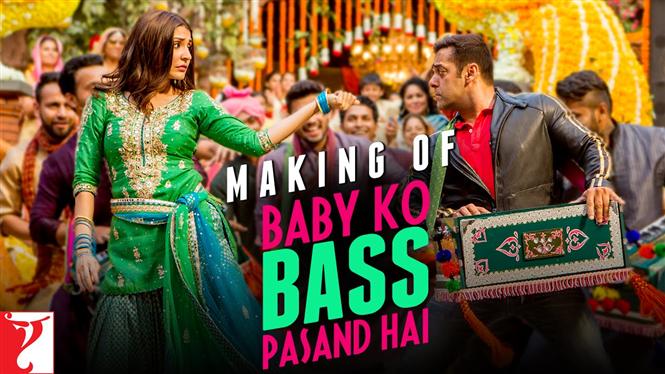
The ko... pasand hai structure is everywhere in Indian pop culture. You might recognize it from a hugely popular song from the movie Sultan.
2. How to Ask About Dislikes
Asking about dislikes is just as important for a good discussion. You can do this in a couple of ways.
1. The direct "which... not" question:
You can simply add nahin (not) to the structure we just learned.
Aapko kaunsi film pasand nahin hai?(Which movie do you not like?)
2. The simple yes/no question:
This is often a more natural way to start. Remember from a previous lesson how to form yes/no questions using kya at the beginning of the sentence.
Kya aapko [movie name] pasand hai?(Do you like [movie name]?)- A "no" answer might be:
Nahin, mujhe yeh film pasand nahin hai.(No, I don't like this film.)
Test your understanding!
You want to ask a friend about the movie Dangal. How would you ask the following questions in a familiar tone (using tum)?
- Which actor do you like? (
actor=actor, masculine) - Do you like this movie? (
this movie=yeh film) - Which song do you not like? (
song=gaana, masculine)
Show answer
Tumhe kaunsa actor pasand hai?Kya tumhe yeh film pasand hai?Tumhe kaunsa gaana pasand nahin hai?
3. An Alternative: "What is your favorite...?"
Another very common way to ask about preferences is to use the word for "favorite," which is pasandida. This uses a slightly different sentence structure that relies on possessive pronouns like aapka (your, formal) and tumhara (your, familiar), which you've seen before.
Aapka/Tumhara pasandida [Object] kaunsa hai?
Let's explore this with another resource.
How do you say 'what is your favorite song' in Hindi?
This HiNative thread, 'what is your favorite song', clearly breaks down the formal and casual ways to ask this question using 'pasandida'.
Read the 'Explanation of Formal vs. Casual Expressions'. Pay attention to the use of 'aapka' vs. 'tumhara' and the vocabulary tip about 'geet' (formal for song) vs. 'gaana' (casual).
As the resource explains, the key elements are:
- Possessive pronoun:
Aapka(your, formal) orTumhara(your, familiar). - The word for favorite:
pasandida. - The object:
gaana(song),film(movie),actor. - The question part:
kaunsa/kaunsi hai?
Let's compare the two methods:
Method 1 (pasand hai) |
Method 2 (pasandida) |
Translation |
|---|---|---|
Aapko **kaunsi film pasand hai**? |
Aapki **pasandida film kaunsi hai**? |
Which is your favorite movie? |
Aapko **kaunsa gaana pasand hai**? |
Aapka **pasandida gaana kaunsa hai**? |
Which is your favorite song? |
Both are correct and widely used. The first method is a direct extension of the pasand hai structure you know well, while the second is also extremely common and good to have in your conversational toolkit.
4. Practice Scenario: Your Live Stream
Imagine you are doing a live stream about new Bollywood music. You show your audience this list of recent hits.

Now, let's practice asking your audience for their opinions. How would you ask the following questions formally (using aap)?
- "Friends, which song do you like from this list?" (using the
pasand haistructure)Friends=Dostofrom this list=is list se
- "What is your favorite song?" (using the
pasandidastructure) - "Do you like the song 'O Maahi'?"
- "What do you not like?" (
What=Kya)
Try to formulate the sentences yourself before checking the answers.
Show suggested answers
Dosto, aapko is list se kaunsa gaana pasand hai?Aapka pasandida gaana kaunsa hai?Kya aapko 'O Maahi' gaana pasand hai?Aapko kya pasand nahin hai?
Conclusion
Fantastic work today! You have now moved from simply stating your own opinions to actively engaging others in a conversation about theirs. This is a critical step toward your goal of hosting interactive live streams.
Key Takeaways:
- To ask "which," use the
ko... pasand haistructure:Aapko kaunsa/kaunsi [Object] pasand hai? - To ask about a favorite, use the possessive structure:
Aapka pasandida [Object] kaunsa/kaunsi hai? - To ask a simple yes/no question about likes, start with
Kya:Kya aapko [Object] pasand hai?
Preview of the Next Lesson:
You've built a strong foundation for discussing opinions and preferences. Now, we'll move into a new, exciting area: narrating actions. In the next lesson, we will begin Module 6 and learn the present continuous tense. This will allow you to describe things that are happening right now, such as narrating a movie scene as it plays or telling your audience what you're doing during your stream (e.g., "I am reading your comments").