Hello! Welcome to the third lesson in our module on designing your foundational routine.
In the last two lessons, you've done the essential design work. First, you created a flexible, three-tiered structure for your routine (Ideal, Average, Minimum). Then, you learned the powerful technique of habit stacking to link new habits to your existing behaviors. You now have a blueprint for your routine and a method for constructing it.
Today, we'll focus on the implementation strategy. It’s tempting to take your new habit stack chain and try to implement it all at once, but that's often a recipe for feeling overwhelmed. The learning outcome for this lesson is to implement a progressive routine-building approach to avoid overwhelm.
This approach is very similar to iterative development in software engineering. Instead of a "big bang" release, you'll start with a Minimum Viable Product (MVP)—a tiny, core version of your routine—and then progressively add features (new habits) in manageable cycles or "sprints." This ensures the system remains stable and prevents burnout.
The All-or-Nothing Trap
Before we dive into the solution, it's important to understand the problem we're solving. Many people, when starting a new routine, fall into the "all-or-nothing" trap. They try to execute their perfect, "ideal" routine from day one. When life inevitably gets in the way and they miss a day or a single habit, they feel like they've failed and quit altogether.
This pursuit of perfection is a common roadblock. The video below shares a personal story about this exact struggle and sets the stage for a more realistic, flexible, and sustainable approach.
Routines for ADHD that ACTUALLY WORK! 🌛☀️ (Morning/Night routines)
The video 'Routines for ADHD that ACTUALLY WORK!' from Hayley Honeyman opens by perfectly describing the cycle of motivation and guilt that comes from trying to maintain 'perfect' routines seen online.
Watch the first 3 minutes of this video (00:00 - 03:03). Pay attention to the description of the cycle: feeling motivated, trying for a day or two, and then stopping. This highlights the problem we are aiming to solve with a progressive approach.
The Solution: Start Small, Build Incrementally
The antidote to the all-or-nothing trap is to start so small that it feels almost too easy. In the last lesson, we discussed the "Two-Minute Rule" for individual habits. Now, we're applying that same logic to the routine as a whole. You'll begin by implementing just one tiny habit stack, mastering it, and then gradually building from there.
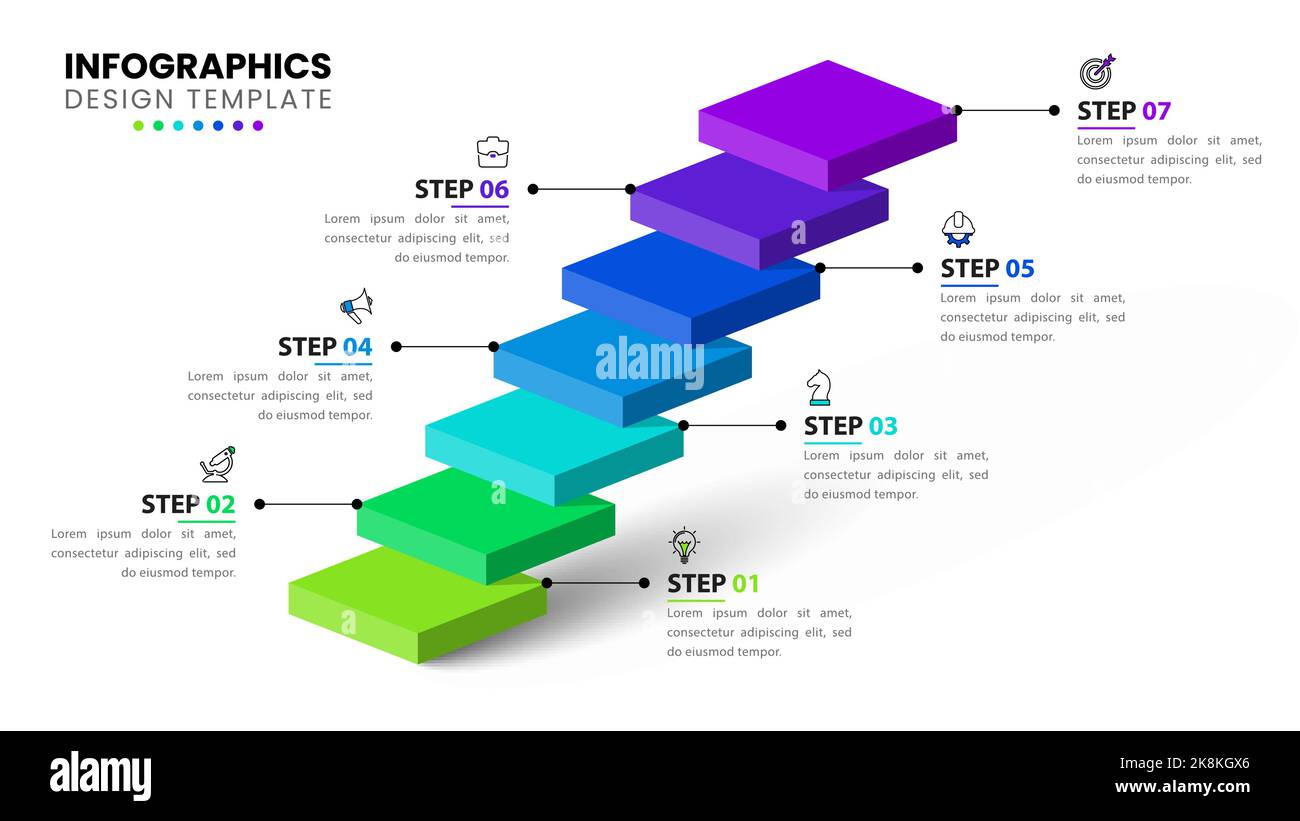
The goal of the first week isn't to have a complete routine; it's to achieve 100% consistency with one small building block. This builds the most critical assets for habit formation: momentum and confidence.
The following video provides an excellent summary of this core principle from BJ Fogg's renowned "Tiny Habits" method.
TINY HABITS by BJ Fogg | Core Message
The video 'TINY HABITS by BJ Fogg | Core Message' explains why shrinking a new habit is the key to making it stick. This reinforces the idea that starting small is a strategic choice, not a lack of ambition.
Watch the section from 00:54 to 02:57. Focus on the 'Action Line' chart and the rationale for making a new behavior take 30 seconds or less. This is the foundation of our progressive approach.
Framework 1: The Iterative "Loop Back" Method
Now that we understand the "why," let's look at a practical "how." One of the best ways to build progressively is to think in phases or cycles. The following article introduces a fantastic, four-phase method that treats habit-building as a natural, non-linear process.
Sustainable Progress Over Perfection
The article 'Sustainable Progress Over Perfection' from Unfiltered Reality offers a powerful framework called the 'Loop Back Method.' This will be our primary model for building your routine iteratively.
First, read the section 'The Science Behind Sustainable Change' to understand why the common '21-day' myth is unrealistic and why a longer, more patient approach is needed. Then, focus on the section titled 'My Loop Back Method: A Better Way Forward.' Study the four phases: Gentle Start, Mild Challenge, Sustainable Pace (Loop Back), and Honest Assessment. This is your blueprint for the next few weeks.
To summarize the Loop Back Method:
- Phase 1: Gentle Start (Learning): Start with one or two incredibly easy habits. Your only job is to show up and build the pattern. This is your MVP.
- Phase 2: Mild Challenge (Push): After a week or two of consistency, add a small challenge—either a new habit or a slightly longer duration for an existing one. This is a short "sprint."
- Phase 3: Sustainable Pace (Loop Back): Settle into a rhythm that is sustainable for the long term. This isn't failure or regression; it's integration. You're allowing the new habits to become automatic.
- Phase 4: Honest Assessment: Review what's working and what isn't. Use this data to plan your next "sprint." This is like a code review or sprint retrospective for your routine.
Framework 2: The Tiered Daily Approach
The Loop Back Method is for building your routine over weeks. But how do you handle daily fluctuations in energy and motivation? This is where the Ideal, Average, and Minimum routine structure you designed in our first lesson comes into play.
Instead of seeing just one version of your routine, you have three. This gives you the flexibility to stay consistent even on days when you feel low on energy. On a great day, you can aim for your "Average" or "Ideal" routine. On a tough day, completing your "Minimum" routine is still a win—it keeps the habit alive without draining your limited resources.
Let's return to the Hayley Honeyman video, where she explains exactly how to use this tiered system.
Routines for ADHD that ACTUALLY WORK! 🌛☀️ (Morning/Night routines)
In this part of the video, the speaker details her 'Honeyman method,' which is a practical application of the Ideal/Average/Minimum structure you've already created.
Watch the segment from 05:52 to 11:16. First, she describes the 'most likely' (your 'Average') routine. Then, she explains the 'minimum' routine, which is the most critical part. Notice her emphasis on making the minimum version incredibly easy—sometimes just 'fueling yourself'—to count as a success.
Test your understanding!
You wake up feeling tired and unmotivated. According to the principles we've discussed today, which is the better course of action?
A) Push through and attempt your full "Average" routine, because discipline is key.
B) Execute your "Minimum" routine (e.g., just one 2-minute habit stack) and consider it a successful day for maintaining the habit.
C) Skip the routine entirely and try again tomorrow when you have more energy.
Show answer
Option B is the best choice. It acknowledges your low energy level while still reinforcing the habit pattern. This prevents the "all-or-nothing" cycle where one bad day derails your entire progress. Completing the minimum is a strategic win that maintains consistency.
Your Turn: Design Your 4-Week Implementation Plan
It's time to apply these frameworks. You will now create a progressive, 4-week plan to start building your morning routine. Use the habit stack chain you drafted in the previous lesson as your source material.
Instructions (15 minutes):
-
Define Your "Minimum Viable Routine" (Week 1 - Gentle Start):
- Choose just one habit stack from your list. It should be something you feel 99% confident you can do every day.
- Action for Week 1: Perform this single habit stack daily.
-
Plan Your First "Sprint" (Week 2 - Mild Challenge):
- Add one more small habit stack from your list.
- Action for Week 2: Perform both habit stacks daily.
-
Integrate and Stabilize (Week 3 - Sustainable Pace):
- Continue performing the two habit stacks. The goal this week is to make them feel more automatic and require less conscious effort.
- Action for Week 3: Focus on consistency with the two habits.
-
Assess and Plan (Week 4 - Honest Assessment):
- At the end of Week 3, review your progress. How consistent were you? What got in the way?
- Action for Week 4: Based on your assessment, either continue with the two habits to strengthen them further, or if they feel solid, plan to add a third habit for the next cycle.
Fill out your plan below:
My 4-Week Progressive Routine Plan
-
Week 1 (Gentle Start): My single habit stack is:
- e.g., "After I turn on my coffee maker, I will drink a glass of water."
-
Week 2 (Mild Challenge): The second habit stack I will add is:
- e.g., "After I drink my glass of water, I will do 2 minutes of box breathing."
-
Week 3 (Sustainable Pace): My focus will be on solidifying these two habits.
-
Week 4 (Honest Assessment): My plan for the next cycle is:
- e.g., "The two habits feel easy. I will add a 5-minute 'brain dump' journaling session after my breathing."
To help with your "Honest Assessment" phase, it's useful to track your consistency. You don't need a complex system; a simple checklist can work wonders. This visual shows an example of what a digital habit tracker might look like.

Conclusion
Today you've shifted from designing your routine to creating a concrete, sustainable plan for implementing it. By starting small and building incrementally, you dramatically increase your chances of long-term success and avoid the common pitfall of being overwhelmed.
Key Takeaways:
- Embrace Iterative Building: Treat your routine like a software project. Start with an MVP and add features (habits) in manageable sprints.
- The Power of "Minimum": Your "Minimum" routine is your most important one. It's your safety net that ensures you maintain consistency even on low-energy days.
- Follow a Phased Approach: Use the Gentle Start -> Mild Challenge -> Sustainable Pace -> Honest Assessment cycle to guide your progress over weeks and months.
- Consistency > Intensity: The goal in the beginning is not a perfect, hour-long routine. The goal is to build an unbroken chain of daily wins, no matter how small.
You now have a clear plan for the next four weeks. In our next and final lesson of this module, we will address what to do when you inevitably run into problems. We'll focus on how to troubleshoot common obstacles to morning routine consistency, giving you the tools to debug your routine when it doesn't go as planned.