Hello! Welcome to the next lesson in our module on Head and Sensory Organ Care.
Introduction
In our previous lessons, we have built a solid foundation by examining Pratimarsha Nasya and daily Anjana as individual practices. You've learned the classical rationale, techniques, benefits, and—most importantly—the specific contraindications for each.
Today, we will bridge this classical knowledge with modern clinical practice. The goal of this lesson is to address the learning outcome: Evaluate the applicability of Nasya and Anjana for modern lifestyle issues like screen-related eye strain and pollution. We will analyze how these ancient routines can be powerfully repurposed as targeted interventions for some of the most common complaints you will see in your clinical practice.
1. Understanding the Modern Challenge: Digital Eye Strain & Pollution
The nature of work and life has changed dramatically. Prolonged exposure to digital screens and environmental pollutants are two major factors affecting the health of the sensory organs, particularly the eyes. The cluster of symptoms arising from screen use is now widely recognized as Computer Vision Syndrome (CVS) or Digital Eye Strain.
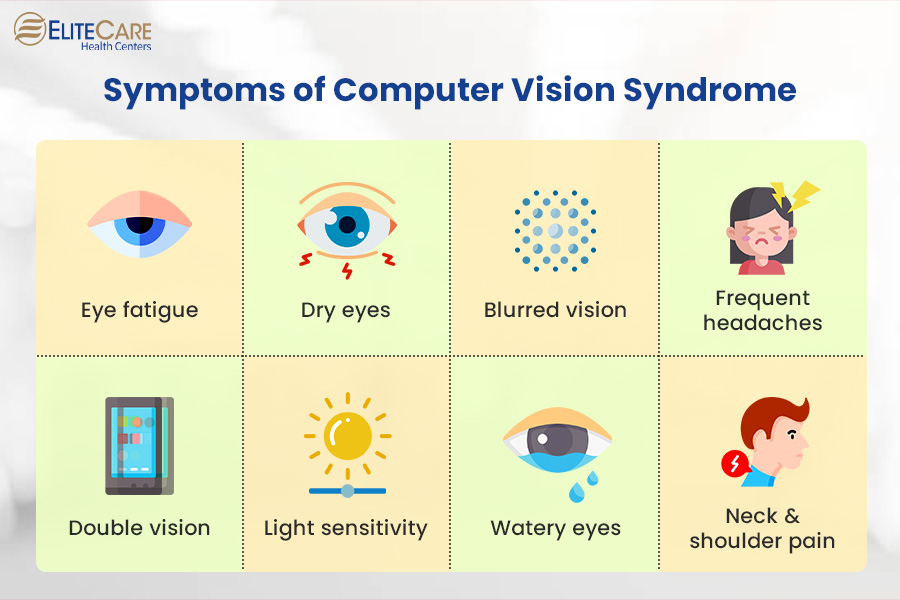
To effectively apply our Ayurvedic principles, we first need to understand the underlying pathology of CVS from both modern and classical perspectives.
NATIONAL JOURNAL OF RESEARCH IN AYURVED ...
The research paper 'Role of Pratimarsha Nasya in Preventing Computer Vision Syndrome' provides an excellent overview of the pathophysiology of CVS and correlates it with Ayurvedic concepts. Understanding this is key to justifying our interventions.
Please read the sections 'Computer Vision Syndrome: Modern Perspective' and 'Ayurvedic Perspective' in this article. Focus on the key modern causes (reduced blink rate, accommodation, blue light) and how they are interpreted through the lens of dosha theory (Vata-Pitta prakopa, Netra Shushkata).
As the article explains, the modern understanding of CVS involves:
- Reduced Blink Rate: Leading to tear film instability and dry eyes.
- Prolonged Accommodation: Constant muscle focus on a nearby screen causes eye strain (asthenopia).
- Blue Light Exposure: Contributes to oxidative stress and potential long-term damage.
From an Ayurvedic standpoint, this translates directly to:
- Nidana (Cause): Ati-darshana (excessive use of vision) and Nidra-viparyaya (sleep disturbance from screen use).
- Samprapti (Pathogenesis): These causes lead to the aggravation of Vata and Pitta doshas in the Netra (eyes).
- Vata aggravation manifests as Shushkata (dryness), Shrama (fatigue/strain), and fluctuating vision.
- Pitta aggravation manifests as Daha (burning sensation) and inflammation, linked to the heat and light from screens.
Similarly, exposure to environmental pollution (dust, smoke, chemicals) introduces external irritants (Mala) that can obstruct the subtle channels (srotas) of the eye, leading to itching, watering, and a feeling of grittiness, primarily a Kapha and Pitta related issue.
2. Evaluating Pratimarsha Nasya for Digital Eye Strain
Now that we have defined the problem as a Vata-Pitta dominant condition (CVS), let's evaluate how Pratimarsha Nasya, a practice you've already studied, serves as a primary intervention. It might seem counterintuitive to treat the eyes through the nose, but the classical principle of "Nasa hi Shiraso Dwaram" (the nose is the gateway to the head) provides the rationale.
NATIONAL JOURNAL OF RESEARCH IN AYURVED ...
The same research paper on CVS offers a detailed explanation of how Nasya works to alleviate eye strain from both Ayurvedic and modern biomedical viewpoints.
Please read the sections 'Ayurvedic Mechanism' and 'Modern Mechanism'. Pay close attention to how the oil administration counteracts the specific Vata-Pitta aggravation we just discussed and how modern science partially explains these effects through nervous and circulatory pathways.
Let's synthesize the dual mechanism of Pratimarsha Nasya for CVS:
Ayurvedic Mechanism:
- Vata Pacification: The snigdha guna (unctuous quality) of the oil directly counteracts the rooksha guna (dry quality) of aggravated Vata, alleviating dryness and strain.
- Pitta Pacification: Using cooling oils like Goghrita (cow's ghee) or medicated oils like Anu taila helps to soothe the inflammation and heat (ushnata) caused by Pitta aggravation.
- Nourishing Alochaka Pitta: By providing subtle nourishment (snehana) to the entire head region, Nasya supports the function of Alochaka Pitta, the sub-dosha of Pitta responsible for vision.
Proposed Modern Mechanism:
- Tear Film Stability: The procedure may stimulate parasympathetic nerve fibers that innervate the lacrimal glands, increasing tear secretion and hydrating the ocular surface.
- Improved Circulation: The practice can enhance microcirculation in the ophthalmic region, helping to clear metabolic byproducts of muscle fatigue and reduce strain.
- Biochemical Action: Medicated oils and ghee possess antioxidant and anti-inflammatory properties that can help protect ocular tissues from oxidative stress induced by blue light.
Therefore, Pratimarsha Nasya is not just a general wellness practice; it is a highly specific and effective intervention for the root pathology of CVS.
3. Evaluating Anjana for Ocular Hygiene and Clarity
Where does daily Anjana fit in? While Nasya works from the inside out, Anjana works from the outside in, acting as a powerful tool for ocular hygiene.
Role Of Dincharya As A Preventive Aspect Of Eye Disorder
To understand the applicability of Anjana, let's turn to the review article 'Role Of Dincharya As A Preventive Aspect Of Eye Disorder', which clearly outlines its cleansing function.
Please read the short section titled 'Anjana' and the first paragraph of the 'DISCUSSION' which explains its mechanism. Note the emphasis on removing Kapha and Malas (impurities) to provide cleanness.
The applicability of daily Sauviranjana for modern issues is twofold:
-
Combating Pollution: This is Anjana's most direct application. Its primary action is cleansing (shodhana). It physically helps to remove particulate matter, dust, and other pollutants (Malas) that accumulate on the ocular surface, preventing irritation, itching, and potential infections. This keeps the srotas of the eye clear.
-
Addressing CVS Symptoms: The role here is more nuanced.
- The eye is a seat of Tejas (Pitta) and is particularly vulnerable to affliction by Kapha dosha, which causes dullness, heaviness, and blurred vision. The strain of CVS can lead to sluggishness in ocular function, creating a fertile ground for Kapha to accumulate.
- Daily Anjana performs a mild lekhana (scraping) action, which prevents this Kapha accumulation and "drains out Kapha from the Sirah Pradesh" as mentioned in the article, thereby maintaining sharpness (kriyapatu) and clarity (vishada) of vision.
Important Clinical Nuance: Remember the contraindications from our last lesson. CVS is primarily a Vata-Pitta condition characterized by dryness. While Sauviranjana is gentle, its lekhana nature can be irritating for someone with extreme Netra Shushkata (dry eye). In such a clinical scenario, you would prioritize Pratimarsha Nasya with ghee to pacify Vata. Anjana might be introduced later, once the dryness is under control, or you might opt for a purely soothing (prasadana) eye application instead.
Test your understanding!
A 45-year-old graphic designer who cycles to work in a busy city complains of burning, dry, and tired eyes, along with a frequent feeling of grittiness and occasional blurred vision after a long day. How would you explain the complementary roles of Pratimarsha Nasya and daily Anjana in his Dincharya plan? Justify which practice addresses which specific complaint.
Show answer
Analysis and Justification:
This patient's symptoms are a classic combination of CVS and exposure to pollution. The two practices, Nasya and Anjana, should be recommended to work synergistically.
-
Pratimarsha Nasya (with Anu taila or plain ghee): This would be the primary intervention for the core symptoms of CVS.
- Role: To address the internal Vata-Pitta imbalance.
- Targets: It directly addresses the burning (Pitta), dryness (Vata), and tired eyes (Vata) by nourishing and soothing the ocular tissues and related nervous pathways from within. This is the "inside-out" approach for systemic and deep-seated relief.
-
Anjana (daily Sauviranjana): This would be the primary intervention for the effects of pollution while supporting visual clarity.
- Role: To perform daily cleansing of the ocular surface.
- Targets: It directly addresses the feeling of grittiness by removing the physical dust and pollutants (Mala) from his daily commute. It also helps prevent the blurred vision that can arise from Kapha accumulation due to eye strain and sluggishness. This is the "outside-in" approach for hygiene and maintaining functional clarity.
By using both, you provide a comprehensive treatment that addresses both the internal pathological process (CVS) and the external aggravating factors (pollution).
Conclusion
Today we have successfully connected ancient Ayurvedic practices with pressing modern health concerns. You have learned to evaluate the specific applicability of Nasya and Anjana not as generic wellness tips, but as precise tools with distinct mechanisms of action.
Key Takeaways:
- Modern issues like CVS and pollution can be clearly understood through the Ayurvedic framework of dosha imbalance (Vata-Pitta prakopa) and external impurities (Mala).
- Pratimarsha Nasya is exceptionally applicable for CVS, as it works internally to pacify Vata and Pitta, addressing the root cause of dryness, strain, and inflammation.
- Daily Anjana is highly relevant for combating the effects of pollution through its cleansing action and supports visual clarity in CVS by preventing Kapha accumulation.
- These two practices are complementary, offering a synergistic "inside-out" and "outside-in" approach to comprehensive eye care in the modern world.
In our final lesson of this module, we will further refine your ability to prescribe these practices by learning how to determine seasonal and age-specific adaptations for both Nasya and Anjana.