Welcome back to the course. In our last lesson, we surveyed the landscape of major private agricultural employers in the GCC, from established giants like Almarai and NADEC to the high-tech pioneers like Pure Harvest and Bustanica. Now that you know who the key players are, it's time to explore what they are looking for.
Today's lesson addresses a crucial step in your job search: identifying the specific roles available to you. The learning outcome is to identify the typical roles in CEA, hydroponics, irrigation, and agronomy available to BSc Agriculture graduates in the GCC. We will translate your academic background and specialized interests into tangible job titles and career paths you can pursue within the companies we've discussed. This will help you begin to focus your search and tailor your CV for the opportunities that best fit your skills.
The New Frontier: Roles in CEA and Hydroponics
As we've seen, Controlled Environment Agriculture (CEA) is at the heart of the region's food security strategy. Companies are investing billions to build sophisticated indoor farms, creating a surge in demand for specialists who can manage these complex systems. This is where your interest in hydroponics and CEA becomes a significant professional advantage.
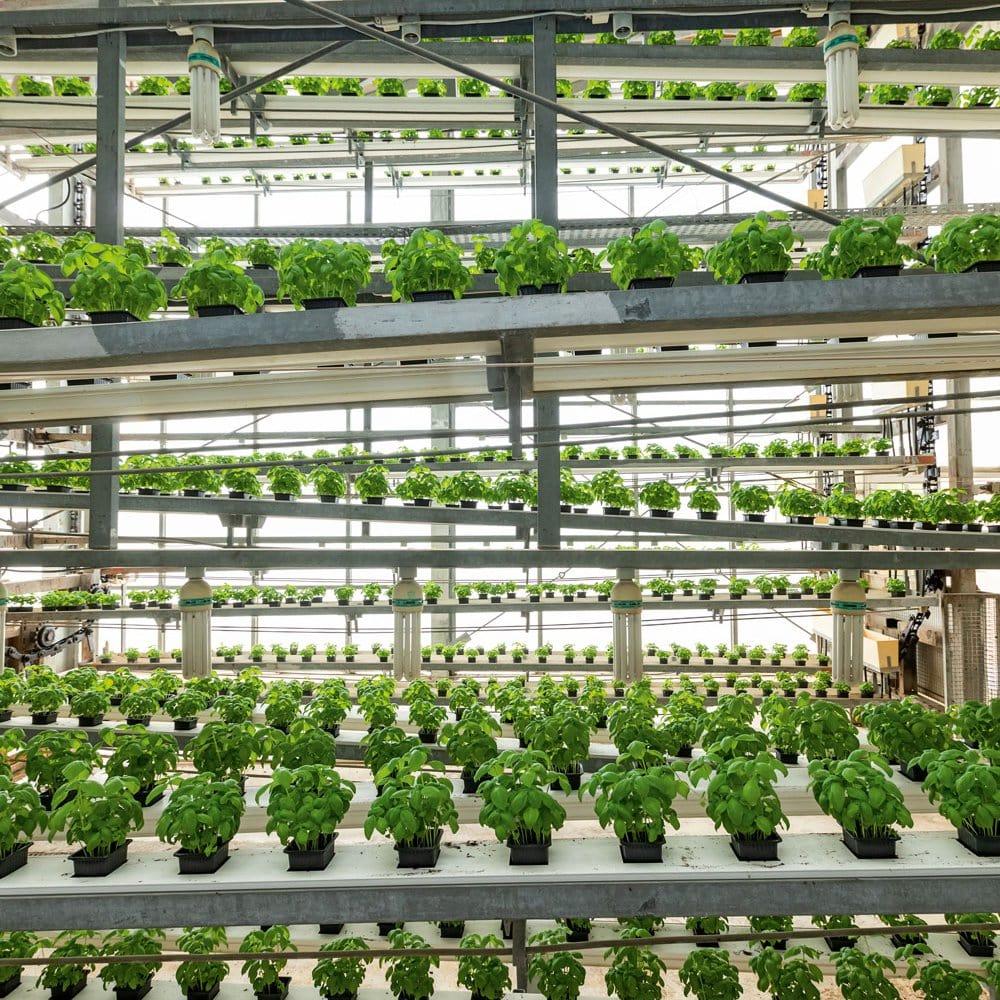
The move towards high-tech farming has created a new category of jobs that blend plant science with technology management. To get an overview of this trend, the article "Top 10 Agricultural Technology Jobs in UAE" is an excellent starting point.
Top 10 Agricultural Technology Jobs in UAE
This article from Eligma UAE provides a concise summary of the key AgriTech sectors and the specific job titles that are in high demand in the UAE's rapidly growing smart-farming industry.
Please read the first half of the article. Focus on the sections titled "The Rise of Smart Farming," which sets the strategic context, and pay close attention to the bulleted list under "In-Demand Agricultural Technology Jobs in UAE." Also, review the list of "Top Skills You Need" to see how they align with your background.
As the article highlights, roles like "Hydroponics Specialist" and "Vertical Farm Operator" are now common. Let's break down the most frequent job titles you'll encounter in this space.
-
Grower / Hydroponics Specialist: This is a hands-on, technical role focused on the plants themselves. A Grower is responsible for the entire crop cycle, from seeding to harvest. Key duties include managing the hydroponic nutrient solution (monitoring and adjusting EC and pH), implementing integrated pest management (IPM) programs, and optimizing the growing environment (light, temperature, CO2) to maximize yield and quality. This role directly applies the principles of plant physiology, pathology, and nutrition from your BSc degree.
-
Greenhouse Manager / Vertical Farm Manager: This is a supervisory role that combines technical oversight with operational management. The manager leads the team of growers and technicians, develops production schedules, manages budgets, and ensures the facility meets its production targets. While a deep understanding of horticulture is essential, this role also requires strong leadership and project management skills. It's a common career progression for an experienced Grower.
To see what these jobs look like in practice, let's turn to a real-world job portal.
Agronomy Jobs - 71 Vacancies (with Salaries) May 2026
This job listings page from NaukriGulf shows current vacancies in the agronomy sector across the Gulf. It provides an unfiltered look at what employers are seeking right now.
Scan the page and locate the job titles that relate to CEA. Specifically, find and read the short descriptions for: Grower – Hydroponic / High-Tech Greenhouse in Tabuk, Saudi Arabia. Greenhouse Manager in Hail, Saudi Arabia. Agronomit in Dubai, focused on microgreens and herbs. Notice how the responsibilities listed—like overseeing irrigation, climate control, and pest management—are core functions within a CEA facility.
The Lifeblood of Arid Agriculture: Irrigation Roles
Outside the controlled environment of a greenhouse, managing water is the single most critical task. Given that your focus includes irrigation and water management, this area offers robust career opportunities, particularly with the large-scale producers and landscaping projects.
- Irrigation Engineer / Irrigation Specialist: This role is responsible for the design, installation, operation, and maintenance of irrigation systems. In the GCC, this almost exclusively means drip irrigation, bubbler systems for date palms, or precision sprinklers. An Irrigation Engineer calculates crop water requirements, develops efficient irrigation schedules, ensures system uniformity, and troubleshoots issues like clogging and pressure variations. Your understanding of soil physics, hydraulics, and plant water relations is fundamental to this position.
These roles are common in companies like NADEC with its vast open-field operations, as well as in large-scale landscaping projects for new cities and developments like those under Vision 2030. Let's look again at the job board to find an example.
Agronomy Jobs - 71 Vacancies (with Salaries) May 2026
We'll refer back to the NaukriGulf listings to pinpoint irrigation-specific roles.
Find the following job titles on the page and read their descriptions: Irrigation Engineer in Dubai. Irrigation Specialist in Oman. Agriculture/Farm Technician in Abu Dhabi, where managing irrigation for date palms is a key duty.
The Foundation: Agronomy and Horticulture Roles
While CEA and precision irrigation represent the technological edge, the foundational roles of Agronomist and Horticulturist remain essential across the entire sector. These positions are broader, often involving a mix of responsibilities from soil management to crop protection.
-
Agronomist: An Agronomist is a crop doctor and field manager rolled into one. They advise on crop selection, develop fertilization programs, monitor for pests and diseases, and work to optimize overall field performance. In the GCC, this role often has a strong focus on soil and water salinity management. You'll find Agronomist positions at companies like NADEC (for their field crops) and Al Dahra (managing their global forage farms), as well as with agricultural supply companies that provide technical support to farmers.
-
Agricultural Engineer / Horticulturist: These titles are often used interchangeably for roles that blend engineering principles with plant science. An Agricultural Engineer might focus more on farm infrastructure, machinery, and systems, while a Horticulturist may specialize in high-value crops, nursery management, or landscaping. Both require a solid, well-rounded agricultural education.
You will see these titles frequently in your job search. They are often less specialized than a "Hydroponics Specialist" but offer a great entry point into the industry.
Summary of Typical Roles
This table summarizes the key roles, their primary responsibilities, and the types of companies where you are most likely to find them.
| Role Category | Job Titles | Key Responsibilities | Typical Employers |
|---|---|---|---|
| CEA / Hydroponics | Grower, Hydroponics Specialist, Greenhouse Manager, Vertical Farm Operator | Nutrient solution management, climate control, IPM, crop scheduling, team leadership. | Pure Harvest, Bustanica, other high-tech farms. |
| Irrigation | Irrigation Engineer, Irrigation Specialist | System design, scheduling, maintenance, water efficiency monitoring, troubleshooting. | NADEC, Almarai (forage farms), major landscaping companies, government projects. |
| Agronomy & Horticulture | Agronomist, Agricultural Engineer, Horticulturist | Crop management, soil testing, fertilization plans, pest scouting, project management. | Almarai, NADEC, Al Dahra, agricultural input suppliers, large family farms. |
Conclusion
You now have a clear map of the primary technical roles that serve as the entry points and career paths for a BSc Agriculture graduate in the GCC. You can see a distinct split between the highly specialized, tech-focused roles in CEA and the broader, field-oriented roles in irrigation and general agronomy. Your academic background provides the foundation for all of them, while your specific interests in CEA and water management position you well for the region's most in-demand specializations.
Key Takeaways:
- CEA roles (Grower, Manager) are in high demand at technology-driven companies like Pure Harvest and Bustanica, focusing on managing soilless systems and controlled environments.
- Irrigation roles (Engineer, Specialist) are critical across the board, from large-scale field producers like NADEC to urban landscaping projects, focusing on water-use efficiency.
- Agronomy and Horticulture roles remain the versatile backbone of the industry, involving crop, soil, and pest management, and are found in nearly every type of agricultural enterprise.
In our next lesson, we will continue down the path of career preparation by examining what you can expect in terms of compensation. We will describe common employment terms, work-visa basics, and salary expectations for agriculture roles in the GCC, giving you a realistic picture of the financial and contractual aspects of working in the region.