Introduction
Welcome back! In our last lesson, we began our exploration of "Nostalgic Silhouettes" by deconstructing the contemporary high-waisted bikini. We saw how designers use modern cuts, fabrics, and details to transform a classic silhouette into something fresh and current, referencing examples from celebrity style and the film Barbie.
Today, we will build directly on that foundation to tackle a more nuanced analytical skill. This lesson addresses the learning outcome: Distinguish between authentic vintage aesthetics and modern retro-revival styling in recent films and music videos. Understanding this difference is crucial for developing a sophisticated style repertoire. It allows you to move beyond simply identifying a look as "retro" and instead analyze how and why a past aesthetic is being reinterpreted for a modern audience.
We will start by defining our terms with clear visual examples, establish a framework for telling them apart, and then apply this framework to two major case studies: Lana Del Rey and Taylor Swift.
1. Defining the Aesthetics: Authentic Vintage vs. Modern Revival
To begin, let's clarify the two concepts at the heart of this lesson.
- Authentic Vintage Aesthetic: This refers to styles, garments, and imagery that are genuinely from a past historical period. They were the contemporary fashion of their day.
- Modern Retro-Revival: This describes contemporary creations that are inspired by or reference a past historical period. They are modern products designed with a nostalgic filter.
Let's examine a quintessential example of an authentic vintage aesthetic.
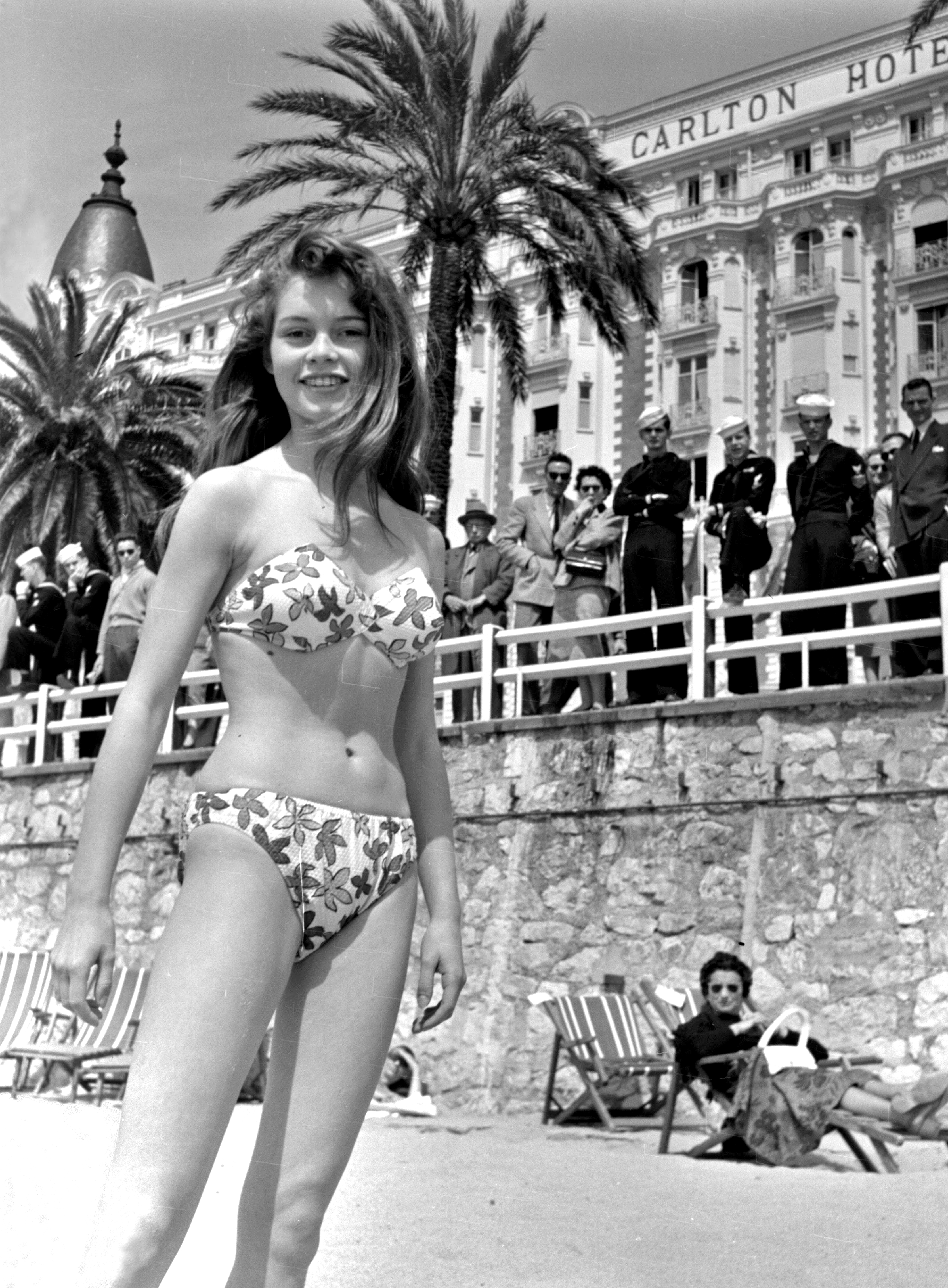
Now, contrast that with a modern example of retro-revival. As we touched on in our last lesson with the image of Margot Robbie as Barbie, the 2023 film Barbie is a masterclass in this concept. The costume design is not simply a collection of old clothes; it's a highly curated, modern interpretation of past styles.
To understand how this revival was crafted, let's turn to an article that dissects the film's sartorial choices.
There's another way to do Barbiecore that's not all about pink
This article from Stylist magazine, titled 'We need to talk about the chicest element of Barbiecore style', explains how the film's costume designer consciously used vintage references to build a modern aesthetic. It provides a perfect case study for 'retro-revival'.
Please read the first few paragraphs of the article, down to where it mentions Jacques Demy. Then, skim the section titled 'Swimwear'. Focus on how the costume designer, Jacqueline Durran, cites specific influences from the 1950s and 60s (like Brigitte Bardot and the French Riviera) to create the film's look.
The article reveals that the Barbie aesthetic is a "thoughtful approach" that draws on "decidedly retro references." It's a modern remix, combining the French Riviera in the 60s, the original 1959 doll, and the films of Jacques Demy to create a look that feels both nostalgic and new.
2. A Framework for Distinction
So, how can you systematically tell the difference? Here are four key areas to analyze.
| Feature | Authentic Vintage | Modern Retro-Revival |
|---|---|---|
| 1. Intent & Context | Was contemporary fashion of its time. The goal was to be modern, not nostalgic. | A conscious, intentional reference to the past. The goal is to evoke nostalgia or a specific historical mood for a modern audience. |
| 2. Materials | Used fabrics of the era (e.g., cotton, early synthetics like nylon). Construction was based on period technology. | Utilizes modern materials (e.g., spandex blends, textured knits, recycled fibers) for improved fit, comfort, and performance. |
| 3. Cut & Fit | Silhouettes reflect the trends and body ideals of their time (e.g., fuller coverage bottoms, less elastic fit). | Often adapts vintage silhouettes to contemporary tastes (e.g., adding a higher leg cut or cheekier coverage to a high-waisted bottom). |
| 4. Styling | Presented with hair, makeup, and accessories of its own era. | Blends vintage-inspired garments with modern hair, makeup, and accessories, creating a stylized, often idealized, version of the past. |
Given your background in designing garments, you know that modern fabrics like spandex blends offer a fit, stretch, and durability that was simply unavailable for the bikinis of the 1950s. This difference in material technology is often one of the clearest giveaways between an authentic piece and a modern revival.
3. Case Study: The Curated Nostalgia of Lana Del Rey
Lana Del Rey's entire artistic persona is built on a specific form of retro-revival. Her look is not a direct copy of a single era but a romanticized, melancholic blend of mid-20th century American archetypes.
Let's analyze her approach using an article that focuses on her style influence.
Lana Del Rey's Massive Influence on Fashion
This article, 'Lana Del Rey's Massive Influence on Fashion,' explores her unique aesthetic. It's an excellent resource for understanding how an artist can build a brand around a highly specific and consistent retro-revival vision.
Please read the introductory paragraphs, and the sections titled 'Is She the Queen of Coquette?', 'Lana’s Style Analyzed', and the paragraph just before it. Pay attention to phrases like 'modelled on 50s and 60s beauty queens', 'interpretation of 60s fashion', and 'idealized version of America'.
As the article highlights, Lana Del Rey's style is an "interpretation," not a replication. She "plucked" elements from different eras—the A-line dresses, the bouffant hair inspired by Priscilla Presley, the winged eyeliner—and combined them to create a distinct, modern "dark Americana nostalgia vibe." She embodies the idea of the 1960s, filtered through a contemporary, melancholic lens. This is the essence of retro-revival: it's a feeling and an aesthetic, not a historical reenactment.
4. Case Study: Taylor Swift's Era-Specific Retro
While Lana Del Rey maintains a consistent retro persona, Taylor Swift strategically deploys retro-revival aesthetics to define specific musical eras. Her use of vintage styles is more modular and serves to visually brand each album cycle.
The following video provides a fantastic overview of her style evolution, with clear examples of her dipping into different historical periods.
the evolution of taylor swift's style and image 🎸🐍👄
The video 'the evolution of taylor swift's style and image' by ModernGurlz breaks down how Swift's wardrobe choices have always been tied to her musical and personal narrative. We will focus on two key eras where she heavily employed retro-revival.
Please watch two segments: 'Red' Era (00:17:08 - 00:19:05): Notice how her style is described as 'reminiscent of old Hollywood starlets' with influences from the 1950s and 60s (high-rise shorts, Peter Pan collars). The video notes this was 'on trend' in the early 2010s, confirming it as a revival. 'Lover' Era (00:30:46 - 00:31:34): This segment discusses her shift to a 'late '60s' look with fringe, bright colors, and psychedelic patterns, part of a broader 'mid-century Revival' trend.
Taylor Swift's "Red" era look—the high-waisted shorts, saddle shoes, and classic red lip—was not an attempt to live in the 1950s. It was a 2012 interpretation of that decade's style, timed perfectly with a broader fashion trend. Similarly, her "Lover" era drew on the visual language of the late 1960s to signal a thematic shift in her music towards brightness and romance.
In both cases, the vintage aesthetic is a tool for modern storytelling and branding, making it a clear example of retro-revival.
Conclusion
In this lesson, we have established a clear distinction between the fashion that is authentically from the past and the modern styles that are inspired by it. By moving beyond a simple "retro" label, you can analyze on-screen looks with greater precision and appreciate the artistry involved in reinterpreting history for a contemporary audience.
Key Takeaways:
- Authentic vintage refers to items from a past era, reflecting the materials, cuts, and styling of their time (e.g., Brigitte Bardot's 1953 bikini).
- Modern retro-revival describes new creations that consciously reference past aesthetics, but are updated with modern materials, cuts, and styling for a contemporary audience (e.g., the costumes in Barbie, the personal styles of Lana Del Rey and Taylor Swift).
- You can distinguish between them by analyzing intent, materials, cut, and overall styling.
Our next lesson will build directly on today's case studies. We will focus on how to identify key actresses and musicians who have championed high-waisted bikini looks and the specific eras they reference, further deepening your ability to connect specific styles to the icons who popularized them.