Introduction
Welcome to the final lesson of your course on Bollywood bikini design. This is the culmination of all your work, from analyzing historical trends and cataloguing modern styles to identifying a unique design opportunity. In the last lesson, you successfully channeled your analysis into a professional design brief, creating a solid blueprint for an original bikini concept.
Today, you will bring that concept to life. The learning outcome for this capstone lesson is to create a mood board and an initial sketch for your concept, explaining how it fits into the Bollywood aesthetic. This is where your analytical insights transform into a tangible creative vision, completing your journey from trend analyst to style creator. Let's begin.
Part 1: The Purpose and Power of a Mood Board
Before you start creating, it's important to understand the role of a mood board. It is more than a collage; it is a strategic tool used by designers to visually synthesize and communicate the core feeling, theme, and direction of a collection. While your design brief defines the project with words, the mood board translates those words into a shared visual language.
Given your background in statistics, you can think of a mood board as a form of qualitative data visualization. It curates disparate visual data points—textures, colors, emotions, silhouettes—into a single, coherent narrative that tells the story of your design.
To build a solid foundation, let's review the key elements of a professional fashion mood board.
How to Create an Effective Fashion Moodboard
This article, 'How to Create an Effective Fashion Moodboard', provides a clear and concise overview of what a mood board is, what it should contain, and why it's such a critical tool in the design process.
Please read the sections 'What is a Fashion Moodboard?', 'Components of a Fashion Moodboard', and 'Why Use a Moodboard?'. Pay close attention to the list of components, as this will serve as a checklist for your own creation.
As you read, you'll see a mood board is your chance to establish the entire world your design will inhabit, from the color of the sky to the texture of the fabric.
Part 2: The Creative Process of Mood Boarding
Now let's move from theory to practice. Creating a mood board is a process of exploration, curation, and refinement. The following videos offer two excellent perspectives on this process: one focusing on the conceptual workflow from idea to final board, and the other providing practical digital techniques to make your board visually dynamic.
First, let's explore the overall workflow of creating a mood board.
How to create a fashion mood board | Example from my designer portfolio | Justine Leconte
Fashion designer Justine Leconte walks through her professional process of creating a mood board for a collection. This video will help you structure your thinking, from brainstorming initial keywords to composing the final board.
Watch the following segments: Idea Generation (00:10 - 01:23): See how she uses a mind map to translate an abstract concept into visual keywords. Image Gathering (01:23 - 02:17): Note her process for collecting a wide range of images on Pinterest. Editing & Clustering (02:17 - 04:04): Pay attention to how she prints and manually sorts images to find connections and develop ideas for materials. Final Mood Board (04:56 - 06:23): Observe how she synthesizes everything into a final, cohesive board that tells a clear story.
Next, let's dive into the technical and artistic side of assembling a compelling digital mood board.
How to create awesome Moodboards for Fashion Design Portfolios!
This tutorial, 'How to create awesome Moodboards' by With love, Christina, is packed with creative tips for making your board stand out. While she uses Adobe Illustrator, the principles apply to any digital tool like Canva or Milanote.
Watch these two key sections: Shortlisting Pictures (07:06 - 08:39): Focus on her checklist of categories to include (inspiration, color, fabric, etc.) to ensure your board is comprehensive. Layout Tips (09:06 - 13:32): This is a fantastic resource for layout ideas. You don't need to master every technique, but notice how she uses layering, color correction, and dynamic composition to create a visually engaging 'chaotic' collage.
Activity 1: Create Your Mood Board
It's time to create the mood board for the original bikini concept you defined in your design brief.
Step 1: Revisit Your Design Brief
Read through the design brief you created in the last lesson. Your concept title, statement, target audience, and key design elements are your guiding principles. Every image you select should directly support this brief.
Step 2: Gather Your Visuals
Using a tool like Pinterest or by saving images from the web, create a folder of potential visuals. Remember to think broadly. Your board should include:
- Core Concept: Images that evoke the central theme (e.g., architectural photos, historical art, natural textures).
- Color Palette: Blocks of your chosen primary and accent colors.
- Fabric & Texture: Close-ups of fabrics and materials that match your brief (e.g., metallic sheen, bonded jersey, crochet detail).
- Silhouette & Details: Photos of garments (not just swimwear) that feature similar cuts, strap details, or hardware.
- Bollywood Aesthetic: This is crucial. Find images that represent the specific context for your design. This could include:
- Screencaps or photos of your target actress or a similar celebrity.
- Locations and settings that match your concept's mood (e.g., the minimalist villas of Greece, the vibrant markets of Morocco).
- Examples of Bollywood styling: specific makeup looks, hairstyles (like the popular "wet look"), jewelry (body chains, statement earrings), and accessories. The images and articles from our course, like the ones below, are a great place to start.
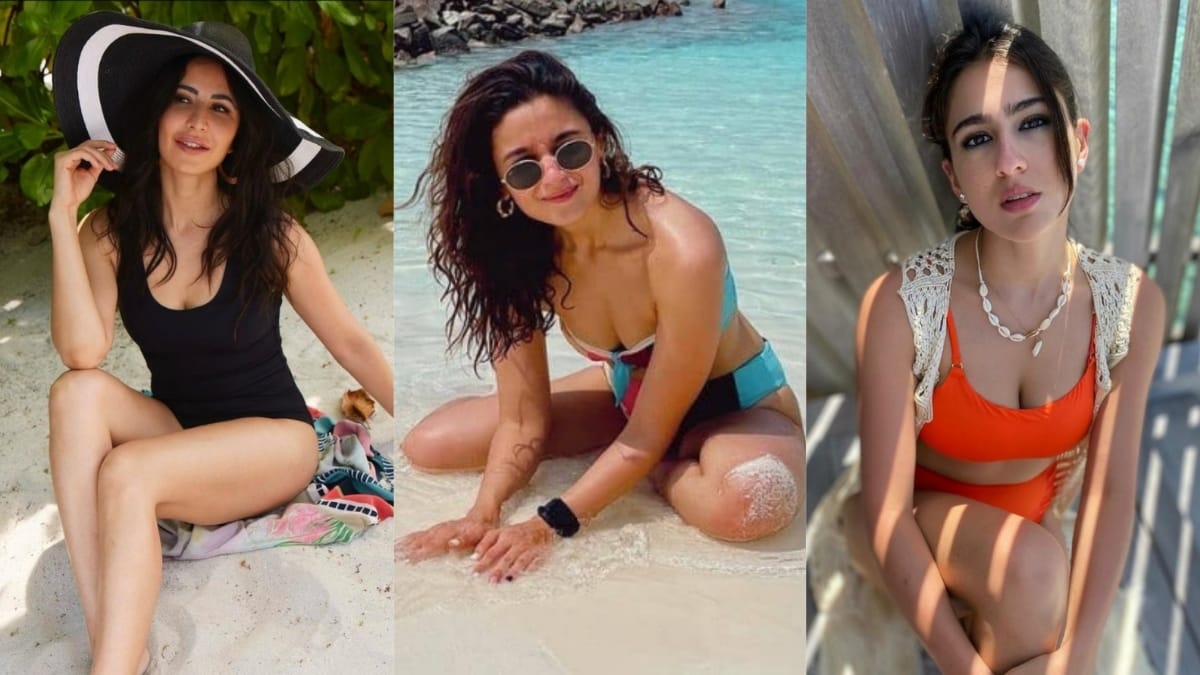
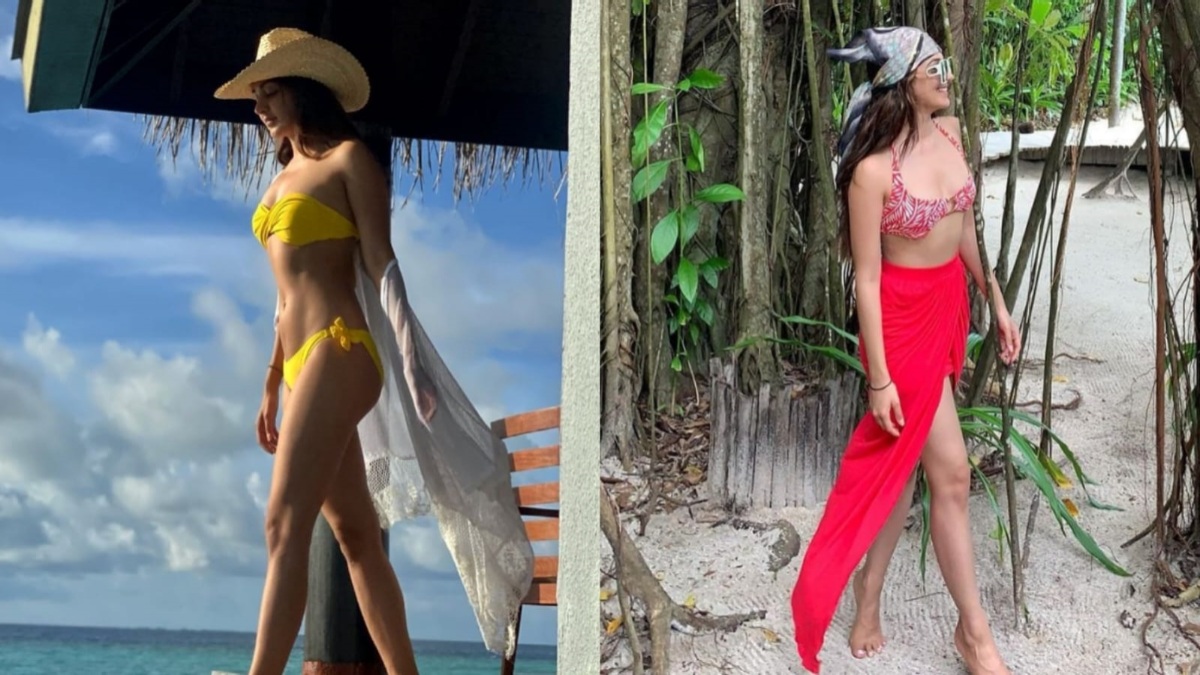
You can also revisit the "Bollywood Beach Looks of 2025" article (LINK) for more ideas on current styling trends.
Step 3: Assemble and Refine Your Mood Board
Using a digital tool like Canva, Milanote, or even a simple slide presentation, begin assembling your board.
- Start with your most important "hero" images.
- Build layers around them, creating a dynamic composition. Use the creative tips from the video by "With love, Christina" to overlap images, add text, and create a sense of depth.
- Arrange your color swatches into a clear palette.
- Step back and edit. Does every image serve a purpose? Does the board instantly communicate the story of your design? Is it cohesive?
Part 3: From Mood Board to Initial Sketch
The mood board sets the tone. The initial sketch makes the design concrete. This sketch is not about creating a perfect artistic illustration; it's about translating the ideas from your brief and mood board into a clear, communicable drawing of the garment. Your experience designing lingerie provides you with the foundational skills to visualize and represent the structure and fit of a garment.
As Justine Leconte demonstrated in her video (at 04:04), sketching is the natural next step after you've refined your visual ideas.
Activity 2: Create Your Initial Sketch and Explanation
Now, you will create a simple, annotated sketch of your design.
Step 1: Sketch the Design
On paper or using a digital drawing tool, create a clean line drawing of your bikini top and bottom. You can draw them as "flats" (as if laid flat on a table) or on a simple fashion croquis. The focus should be on clearly showing the silhouette and key features.
Step 2: Annotate the Sketch
Add labels and short notes to your sketch to point out the specific design elements from your brief. This turns your drawing into a technical communication tool. For example:
- "Asymmetrical single shoulder strap"
- "High-waisted bottom with high-cut leg"
- "Laser-cut geometric pattern on hip panels"
- "Matte black recycled nylon fabric"
- "Custom gold-plated rectangular clasp at back"
Step 3: Explain the "Bollywood Fit"
Finally, write a concise paragraph (3-5 sentences) that explains how your design, as visualized in the mood board and sketch, fits into the modern Bollywood aesthetic. Connect the garment to the styling.
Example:
- "My 'Jaali Noir' concept moves beyond prints to offer architectural elegance. The sketch shows a structured bandeau with a central cutout, inspired by the modern, confident style of an actress like Deepika Padukone. As the mood board illustrates, this bikini would be styled for a high-fashion film sequence with minimalist gold body jewelry, a sleek wet-hair look, and smoky eye makeup, creating a powerful and sophisticated silhouette that feels at home in a luxury Dubai or Monaco setting. It fills the market gap for swimwear that is culturally inspired yet globally minimalist."*
Conclusion
Congratulations! You have successfully completed the capstone project and the entire "Bikini in Bollywood" course. You have progressed from analyzing existing designs to creating a unique concept, complete with a professional brief, a compelling mood board, and a clear initial sketch. This journey has equipped you with a robust style repertoire and a proven process for turning analysis into creation.
Key Takeaways from Today's Lesson:
- A mood board is a strategic tool for visually communicating the narrative and feeling of a design concept.
- A well-executed mood board includes curated images of the core concept, colors, fabrics, silhouettes, and the specific aesthetic context (in this case, Bollywood styling).
- An annotated sketch translates the visual mood into a concrete design, clearly communicating its key technical features.
You have masterfully combined your analytical skills with your creative passions to achieve your goal. I wish you the very best in all your future design endeavors.