Hello! Welcome to the first lesson in our module, "Translating Ayurvedic Concepts into Scientific Frameworks."
In the previous module, we explored the challenges of applying modern research methods to holistic systems like Ayurveda. You learned why a standard Randomized Controlled Trial (RCT) might not be the best fit for testing individualized Ayurvedic treatments. That discussion set the perfect stage for what we will do now: begin building the conceptual bridges that are essential for designing more meaningful research.
This lesson directly addresses our learning outcome: to correlate the concept of Agni (Jatharagni, Dhatvagni) to modern understandings of digestion and cellular metabolism.
As a BAMS graduate, you have a deep understanding of Agni as the cornerstone of health in Ayurveda. Our goal today is not to question that knowledge, but to build upon it. We will map the profound Ayurvedic wisdom about Agni onto the language and frameworks of modern physiology and biochemistry. This act of translation is a fundamental step toward your goal of integrating Ayurveda with modern science.
Let's begin by reframing this central concept.
1. The Concept of Agni: A Bridge Between Worlds
In Ayurveda, Agni is the biological fire that governs all transformation. It's not just about digesting food; it's the energy that converts food into consciousness, tissues, and waste. It is the fundamental force behind life itself. While this is a complete and powerful concept, to discuss it with modern scientists or design a biomedical study, we need to find common ground.
The first step is embracing the idea that modern knowledge can enrich and update our application of Ayurvedic principles.
Webinar on Concept of Agni with special reference to gastrointestinal physiology and Prakriti
Let's start by watching a segment from a webinar by Dr. M. R. Abhilash from the National Institute of Ayurveda. He makes a compelling case for why we must incorporate modern physiological knowledge to advance Ayurveda.
Please watch from 19:26 to 25:25. Focus on his argument about the need for 'modern interpretations' and how a holistic approach can and should include the findings from reductionist science.
Dr. Abhilash's point is crucial: integrating modern science doesn't diminish Ayurveda; it equips it with new tools for understanding, application, and validation. With that in mind, let's review the structure of Agni.
Ayurveda describes 13 types of Agni, organized in a beautiful hierarchy that moves from the macro to the micro level:
- 1 Jatharagni: The main digestive fire located in the gastrointestinal tract (Koshta). It's the master fire that governs all others.
- 5 Bhutagnis: The elemental fires that process the five Mahabhutas (ether, air, fire, water, earth) present in the digested food.
- 7 Dhatvagnis: The tissue-specific fires that are responsible for the formation and transformation of each of the seven Dhatus (tissues).
Now, let's correlate these layers, starting with the master fire, Jatharagni.
2. Jatharagni: The Modern Correlate of Digestion
Jatharagni is responsible for the primary digestion of food in the stomach and small intestine (Grahani). This is the most straightforward correlation we can make.
Jatharagni corresponds to the collective action of digestive secretions in the gastrointestinal tract.
Let's break this down:
- The "heating" or "cooking" (Pachana) action of Agni can be seen as the function of hydrochloric acid (HCl) in the stomach, which denatures proteins, and the work of digestive enzymes (like pepsin, amylase, and lipase) that break down complex food molecules into smaller, absorbable units.
- The primary "seat" of Jatharagni, the Grahani (often correlated with the duodenum), is precisely where the most critical phase of digestion occurs. Here, chyme from the stomach is mixed with bile from the liver and a host of powerful enzymes from the pancreas.
- The concept of Agnimandya (impaired Agni) aligns well with modern conditions like dyspepsia (indigestion), malabsorption syndromes, and gut dysbiosis (an imbalance of the gut microbiome).
When Jatharagni is impaired, food isn't properly digested, leading to the formation of Ama—a concept you know well as the root of many diseases.

This parallel between Jatharagni and the digestive process is a strong and widely accepted starting point.
3. Dhatvagni: Moving from Digestion to Metabolism
After Jatharagni has done its work, the digested nutrient-rich essence (Ahara Rasa) is absorbed into circulation. From here, the Dhatvagnis take over. Each Dhatvagni is responsible for transforming the nourishing portion of the preceding Dhatu into the next one in the sequence:
Rasa -> Rakta -> Mamsa -> Meda -> Asthi -> Majja -> Shukra
This process of tissue-level transformation is the Ayurvedic description of cellular metabolism.
To fully grasp this correlation, we first need to define metabolism in modern terms. It is the sum of all chemical reactions that occur within a living organism to maintain life. These reactions are broadly divided into two categories.
Introduction to Metabolism | Catabolism Vs Anabolism | Biochemistry
This short animated video provides a clear and simple introduction to the two fundamental arms of metabolism: Catabolism and Anabolism. This is a foundational concept for our discussion.
Please watch from 2:28 to 3:38 to understand the difference between catabolic and anabolic pathways. Then, watch from 7:48 to the end (12:52) for a summary and comparison.
As the video explained:
- Anabolism: The process of building up. It uses energy and simple precursor molecules to construct complex molecules, like proteins and tissues.
- Catabolism: The process of breaking down. It releases energy by breaking complex molecules into simpler ones.
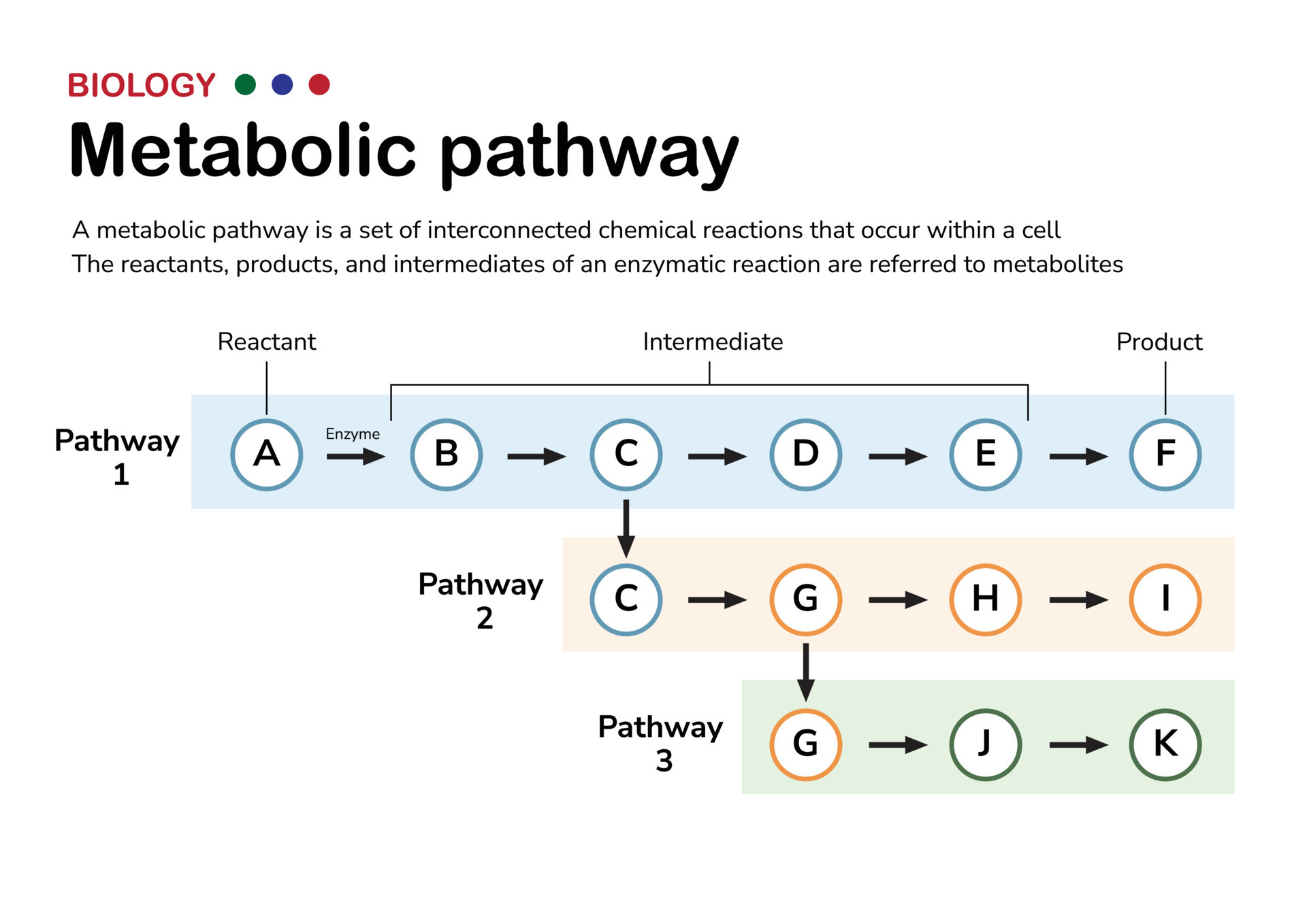
Now, how does this relate to Dhatvagni?
The action of each Dhatvagni on its respective Dhatu yields two parts:
- Prasada Bhaga (Essence): The nourishing part that builds the next Dhatu. This is Anabolism.
- Kitta Bhaga (Waste Product): The metabolic by-product or Mala. This is a result of Catabolism.
This connection is not just a loose analogy; it's a direct functional parallel.
The online resource 'Dhatvagni - Charak Samhita' explains this correlation very clearly. Let's read the section that explicitly links Dhatvagni to these modern concepts.
First, read the section under the heading 'Physiology of dhatvagni'. Focus on the paragraph starting with 'The seven dhatvagni act upon...' which describes the formation of 'prasada bhaga' and 'kitta-paka'. Next, read the section 'Modern interpretation'. Notice how it directly equates Dhatvagni with intermediate metabolism, and the processes of anabolism and catabolism.
4. Mapping Each Dhatvagni to Modern Metabolic Functions
We can take this correlation a step further by mapping the function of each specific Dhatvagni to its corresponding metabolic processes in modern physiology.
Webinar on Concept of Agni with special reference to gastrointestinal physiology and Prakriti
Let's return to Dr. Abhilash's webinar. He provides some excellent modern interpretations for the activities of the Dhatvagnis.
Please watch the segment from 51:16 to 59:19. He quickly goes through the states of Agni and then, near the end of the clip (around 57:30), he lists modern metabolic correlates for each Dhatvagni. Pay close attention to this list.
Based on the resources we've reviewed, we can construct a clear correlation table. This table is a powerful tool for translation—it helps you speak about Dhatus and Dhatvagnis in the language of modern biochemistry.
| Ayurvedic Concept (Dhatvagni) | Corresponding Tissue (Dhatu) | Modern Correlation (Cellular Metabolism) |
|---|---|---|
| Rasa Dhatvagni | Rasa (Plasma, Lymph) | Glucose metabolism, synthesis of plasma proteins (e.g., albumin). |
| Rakta Dhatvagni | Rakta (Blood cells) | Hematopoiesis (formation of blood cells in bone marrow), iron metabolism. |
| Mamsa Dhatvagni | Mamsa (Muscle) | Protein synthesis for muscle fiber creation and repair (anabolism). |
| Meda Dhatvagni | Meda (Adipose tissue) | Lipid metabolism: lipogenesis (fat storage) and lipolysis (fat breakdown). |
| Asthi Dhatvagni | Asthi (Bone) | Bone remodeling by osteoblasts (building bone) and osteoclasts (resorbing bone), calcium & phosphate metabolism. |
| Majja Dhatvagni | Majja (Marrow, Nervous tissue) | Myelin sheath formation around nerves, synthesis of neurotransmitters. |
| Shukra Dhatvagni | Shukra (Reproductive tissue) | Spermatogenesis (in males) and oogenesis (in females), steroid hormone synthesis. |
Essentially, Dhatvagni is the sum of all the enzymatic and metabolic activity within the cells of a specific tissue, responsible for its maintenance, regeneration, and function. This aligns perfectly with the modern understanding of tissue-specific cellular metabolism, much of which occurs within the mitochondria—the "powerhouses" of the cell.
Test your understanding!
A patient with uncontrolled diabetes shows muscle wasting (Mamsa Dhatu Kshaya). From an integrative perspective, how would you describe the problem using both Ayurvedic and modern metabolic terms?
Show answer
-
Ayurvedic Perspective: You could describe this as a dysfunction of Mamsa Dhatvagni. The metabolic fire of the muscle tissue is disturbed. Due to this, the muscle is not being nourished properly from the preceding Dhatu (Rakta), leading to its depletion or Kshaya.
-
Modern Metabolic Perspective: In uncontrolled diabetes, insulin resistance prevents glucose from entering muscle cells effectively. Starved for energy, the cells switch to a catabolic state. They begin breaking down their own structural proteins (muscle fibers) into amino acids to be used for energy (gluconeogenesis). This is a state where catabolism in muscle tissue far outweighs anabolism, leading to muscle wasting.
The two explanations describe the same phenomenon from different but complementary viewpoints.
Conclusion
Today, you have built a foundational bridge between one of Ayurveda's most important concepts and modern science. By mapping these ideas, you gain a powerful bilingual ability to communicate and think across disciplines.
Key Takeaways:
- Agni is the holistic Ayurvedic concept for all biological transformation.
- Jatharagni correlates directly with the modern understanding of gastrointestinal digestion, involving gastric acid, enzymes, and gut motility.
- Dhatvagni correlates with tissue-specific cellular metabolism, which encompasses the balance of:
- Anabolism (building tissue), analogous to the formation of the Prasada Bhaga (nourishing essence).
- Catabolism (breaking down for energy/waste), related to the formation of the Kitta Bhaga (waste products).
This translation is not merely an academic exercise. It allows you to hypothesize how an Ayurvedic therapy aimed at improving Agni might be measured using modern biomarkers of digestion and metabolism, a crucial step in designing robust scientific research.
Preview of the Next Lesson:
Having established a framework for Agni, we will next turn to the three fundamental principles of function: the Doshas. In our next lesson, we will explore the learning outcome: Propose potential physiological and biochemical markers that could correspond to imbalances of the three Doshas (Vata, Pitta, Kapha). This will continue our journey of building a scientifically grounded vocabulary for Ayurvedic principles.