Welcome back. Over the last few lessons, we have journeyed through the serene and profound sound-worlds of the guqin and the shakuhachi. We've explored their distinct philosophies, analyzed their unique sonic qualities, and identified a few canonical pieces suitable for relaxation and focus.
Today, we will synthesize all of this knowledge to achieve the final goal for this module: creating a comprehensive 'curator's cheat sheet.' This will be your practical guide for evaluating and selecting music from these rich traditions, allowing you to confidently build playlists for focus, relaxation, and sleep. We will expand upon the shortlist from our last session, adding layers of detail and practical listening advice to create a robust and versatile tool for your curatorial practice.
Part 1: The Curator's Guide to Guqin
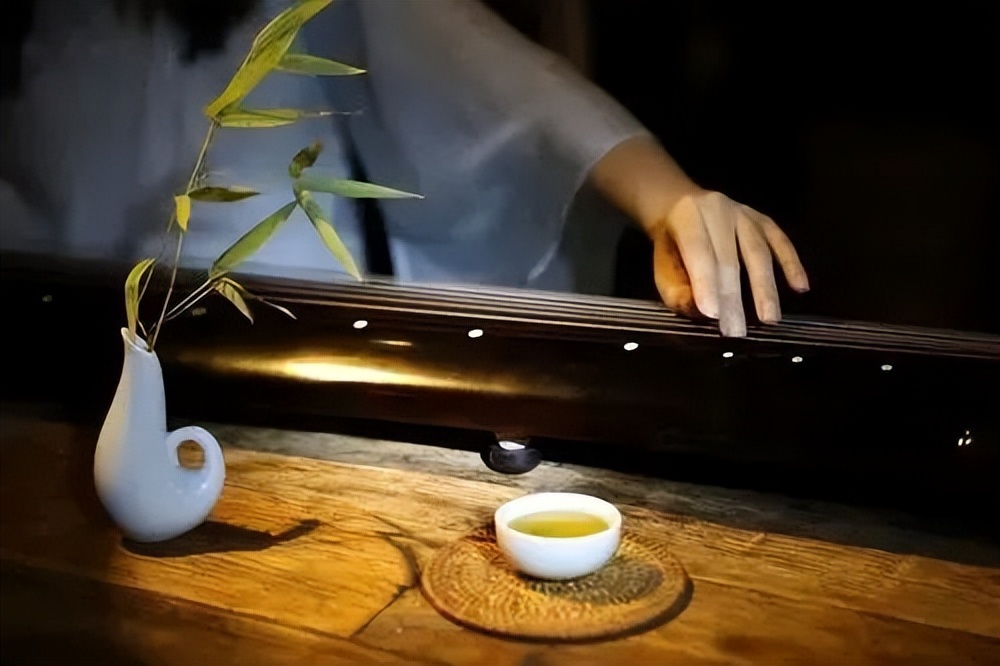
The guqin is an instrument of profound subtlety, historically associated with scholars, poets, and philosophers. Its music is not for entertainment but for self-cultivation, reflection, and creating a space of inner quietude.
To build our cheat sheet, let's first deepen our understanding of the instrument's historical context and unique sound production.
Guqin - Microtonal Encyclopedia
This article from the Microtonal Encyclopedia provides a wealth of detail on the guqin's history, technique, and aesthetics.
As you read, focus on building a profile of the instrument's character. Please review the following sections: Start with the introduction to understand its cultural status as the "instrument of the sages" and its quiet nature. Read about its esteemed history, including its inclusion on the Voyager Golden Record. Pay close attention to the description of the three characteristic sounds: san yin (open string), fan yin (harmonics), and an yin (stopped/sliding sounds). This is crucial for recognizing its timbral palette. Review the traditional playing context, which emphasizes solo performance in quiet settings. Finally, absorb the section on aesthetics. The concepts of creating "space" or "void" and the connection between player and listener are central to its meditative effect.
Drawing from this reading and our previous lessons, let's codify the key curatorial principles for the guqin.
Guqin Curator's Profile
- Core Aesthetic: Introspective, scholarly, refined, contemplative. The music is an invitation to listen inward.
- Sonic Fingerprint:
- Quiet Dynamics: The instrument is naturally quiet, creating an intimate, non-intrusive soundscape.
- Sliding Tones (An Yin): Extensive use of glissando and portamento gives the music a fluid, voice-like quality. The sound of fingers sliding on silk strings is a key part of the texture.
- Purity of Harmonics (Fan Yin): Bell-like, ethereal harmonics punctuate the texture, adding moments of crystalline clarity.
- Sparsity & Space: The silence between notes is often as important as the notes themselves, encouraging a state of mindful listening rather than passive hearing.
- Playlist Suitability:
- Relaxation: Excellent. Pieces that evoke nature, like Liúshuǐ ("Flowing Water"), use fluid rhythms and descriptive phrasing to guide the mind gently. The lack of a strong, driving pulse allows the listener to relax without being drawn into a rhythmic contract.
- Focus: Good, with caveats. The quiet and sparse nature of guqin music prevents it from being distracting. However, pieces with highly expressive or unpredictable phrasing might occasionally pull your attention. It's best for creative or reflective work rather than task-oriented focus.
- Sleep: Superb. Extremely slow and sparse pieces, like Chán Dìng ("Buddhist Meditation"), create a stable and profoundly calm sonic environment, ideal for transitioning into sleep. The low volume and lack of sudden changes are key.
- Curator's "Red Flags":
- Virtuosic Showpieces: Some pieces, like Guangling San, are more dramatic and complex. While musically brilliant, their dynamic shifts and faster passages can be disruptive for deep relaxation or focus.
- Ensemble Recordings: While rare, be cautious of recordings where the guqin is paired with louder or more rhythmically active instruments that can overwhelm its subtle nature. A duet with a xiao (bamboo flute) is a traditional exception and often works beautifully.
Part 2: The Curator's Guide to Shakuhachi
The shakuhachi is tied to Zen Buddhism and the practice of suizen, or "blowing meditation." Its sound is raw, natural, and deeply connected to the player's breath. Where the guqin is refined and intellectual, the shakuhachi is elemental and visceral.

To refine our cheat sheet for this instrument, we will explore its philosophical underpinnings and the very practical, embodied way of listening it invites.
Newsletter - 5/18/04 - Shakuhachi Zen Flute
This newsletter provides a fantastic deep-dive into the spiritual and practical aspects of the shakuhachi.
As you read, think about how the philosophy translates directly into the sound you hear. Begin with "The paradox of the Shakuhachi" to understand the instrument's simple construction yet immense expressive range. Next, read the section on Suizen and Honkyoku. This explains the concept of playing as a meditative practice (suizen) rather than for performance. Jump to the end of the next section to read about the unique sonic elements, including "non-musical" sounds and the concept of ma (silence). Now, read about the 'Mirror' Attitude. This idea of using a discipline to see oneself is fundamental to its use in meditation. Finally, and most importantly, carefully read and try the listening exercise provided. This is a direct, practical method for engaging with this music.
This embodied approach to listening is key to curating shakuhachi music effectively. Let's formalize these ideas.
Shakuhachi Curator's Profile
- Core Aesthetic: Meditative, natural, breath-focused. The music aims to connect the listener to the present moment and the elemental quality of sound itself.
- Sonic Fingerprint:
- Breath Tones (Muraiki): The sound is often airy and breathy, intentionally blurring the line between tone and noise. This has a very organic, grounding effect.
- Microtonal Pitch Bending: The player uses head movements (kubi furi) and embouchure changes to create subtle, voice-like inflections in pitch, imbuing the music with deep emotion.
- Ma (Negative Space): Like the guqin, the silence between phrases is a critical component, creating a sense of spaciousness and anticipation.
- Free Rhythm: Most traditional solo pieces (honkyoku) follow the player's natural breath rhythm, making the music feel organic and unpredictable, like wind or water.
- Playlist Suitability:
- Relaxation: Excellent. The natural timbres and breath-based rhythms of pieces like Kokū ("Empty Sky") are profoundly calming. They evoke landscapes and natural phenomena, guiding the listener into a state of relaxed awareness.
- Focus: Variable. The free, unpredictable rhythm of most honkyoku can be distracting for linear, task-based work. However, as we discovered, some pieces with folk origins, like Iyo Renbo, have a more constant tempo and can be very effective for anchoring attention. The key is to listen for a steady pulse.
- Sleep: Good. The breathy sounds can be very soothing, similar to white noise. However, some pieces feature dramatic pitch shifts or sudden bursts of sound (muraiki) that could be startling. Look for pieces with a more stable dynamic and melodic contour.
- Curator's "Red Flags":
- Highly Dynamic Pieces: Pieces meant to be descriptive of dramatic natural events (e.g., Shika no Tōne, "The Distant Cry of the Deer") contain sharp contrasts that are better for "active listening" than for background focus or sleep.
- Modern Ensembles: Be mindful of contemporary arrangements where the shakuhachi is placed in a dense, rhythmically complex setting (e.g., jazz fusion, electronic). While interesting, these often defeat the meditative purpose.
Part 3: The Definitive Curator's Cheat Sheet
This table synthesizes our findings into a single, quick-reference tool.
| Attribute | Guqin | Shakuhachi |
|---|---|---|
| Core Aesthetic | Introspective, refined, scholarly. Music for self-cultivation. | Meditative, natural, elemental. Music as a "blowing Zen" (suizen) practice. |
| Sonic Fingerprint | Quiet, sparse textures; long sliding tones (glissando); bell-like harmonics; emphasis on silence. | Breathy tones (muraiki); microtonal pitch bends; free rhythm based on breath; emphasis on space (ma). |
| Best For... | Relaxation/Sleep: Sparse, slow pieces (Chán Dìng). Gentle Focus: Flowing, programmatic pieces (Liúshuǐ). |
Relaxation: Atmospheric, free-rhythm honkyoku (Kokū). Steady Focus: Pieces with a constant tempo (Iyo Renbo). |
| Watch Out For... | Virtuosic, dramatic pieces with wide dynamic swings. Ensembles that overwhelm its quietness. | Pieces with abrupt, loud breath blasts or sharp pitch changes. Rhythmically complex modern arrangements. |
| Key Pieces | • Liúshuǐ (Flowing Water) • Chán Dìng (Meditation) • Píngshā Luò Yàn (Wild Geese on Sandbank) |
• Kokū (Empty Sky) • Chōshi (Tuning/Centering piece) • Iyo Renbo (Steady tempo piece) |
| Listening Cue | Listen for the sound of fingers sliding on silk strings and the space between notes. | Listen for the sound of the breath itself and the subtle inflections of pitch. |
Broaden Your Listening
With this cheat sheet in hand, the best way to internalize these concepts is through listening. I encourage you to spend some time with these longer recordings, using them to practice your new curatorial skills.
Chinese Guqin : Flowing water Guqin 流水 古琴曲
For the guqin, listen to the full performance of "Flowing Water."
Try to identify the different textures described in the piece—the gurgling springs at the beginning (opening section) versus the broader, more powerful river sections later on (middle section).
Music for Zen Meditation (Shakuhachi Japanese Flute) - Full Album Stream Rodrigo Rodriguez
For the shakuhachi, explore this full album of Zen meditation music.
Don't feel you need to listen to the whole hour. Instead, skip around. Listen to a few minutes at the beginning (Track 1), then jump to a section in the middle (a later track). Can you hear differences in tempo, mood, and dynamics? Which segments feel more suited for focus versus deep relaxation?
Conclusion
You have now built a comprehensive curator's cheat sheet for two of the world's most profound contemplative music traditions. This tool, grounded in the philosophical and sonic principles of the guqin and shakuhachi, equips you to move beyond simply picking tracks and begin crafting truly effective functional playlists with intentionality and insight.
Key Takeaways:
- Guqin is for Inner Quiet: Its refined, sparse, and quiet nature is ideal for introspection, deep relaxation, and sleep.
- Shakuhachi is for Natural Presence: Its raw, breath-focused sound grounds the listener in the present moment, making it excellent for meditation and, in some cases, steady focus.
- Curation is Context: The effectiveness of a piece depends on its musical characteristics. A steady tempo aids focus, while free rhythm and sparsity promote relaxation.
In our next module, we will turn our ears to other corners of the globe, exploring the unique sounds of panpipes, the deep drone of the didgeridoo, and the mesmerizing practice of throat singing.