Introduction
In our previous lessons, we deconstructed the anatomy of a raga performance. We began with the timeless, meditative space of the alap and then introduced the grounding, cyclical rhythm of the tala. You now understand how these structural elements—the formless and the formed—work together to guide the listener's state of mind.
Today, we move from the structure of the performance to the substance of the raga itself. Our goal is to identify specific ragas that are traditionally associated with states of calm, focus, and sleep. The primary framework we will use for this is a core principle of Indian classical music known as the Time Theory of Ragas, or Samay Siddhant. This ancient system provides a sophisticated map linking specific melodic moods to the natural cycles of the day and, by extension, to our own internal biological rhythms. This will give you a powerful, time-tested system for curating playlists with predictable effects.
Raga Chikitsa: Healing Through Melody
The idea that music can directly influence our mental and emotional well-being is central to Indian thought. This practice, sometimes called Raag Chikitsa (Raga Therapy), is rooted in the understanding that a raga is more than a scale; it is a melodic entity designed to evoke a specific emotional state, or rasa.
Raag Therapy: What It Is and How It Works
This article from Manasukh Dhvani provides an excellent overview of the concepts behind raga therapy. It will ground our discussion in its historical and theoretical context.
First, read the introductory section to get a feel for the topic. Next, read about the historical context, which introduces the ancient manuscript 'Raga Chikitsa'. Finally, focus on the section titled "How Does Raag Therapy Work?". Pay close attention to the third principle, Time Theory (Samay Siddhanta), as this is the key to our work today.
As you've just read, the Time Theory proposes that each raga has a prescribed time of day when its emotional impact is most potent. This isn't an arbitrary rule but an empirical system developed over centuries, aligning the mood of the music with the typical psychological and physiological states of a person throughout a 24-hour cycle.
Mapping the Day: The Raga Cycle
The traditional Indian system divides the 24-hour day into eight 3-hour periods called prahars. Each prahar has a distinct energy, and a corresponding set of ragas designed to resonate with it.
The Time Theory of Ragas: A Confluence of Sound, Science ...
This article from Hindustani Classical provides a clear breakdown of the prahar system and its scientific underpinnings.
Read the section titled "Mapping the Day," which lists the eight prahars and gives an example raga for each. Then, continue to the section on the "Scientific and Physiological Basis." This will connect the ancient theory to modern concepts like circadian rhythms and brainwave activity, providing a scientific rationale that you may find interesting.
The connection to circadian rhythms is key. The raga cycle is, in essence, a musical mirror of our own internal biological clock. Morning ragas may use notes and phrases that gently increase alertness, while late-night ragas might employ structures that encourage the brain to shift into the slower frequencies associated with deep relaxation and sleep (theta and delta waves).
The chart below gives a colorful, high-level overview of this concept, mapping various ragas and their associated moods to different time slots throughout the day.

Ragas for Your Playlists: Calm, Focus, and Sleep
With this framework in place, we can now identify specific ragas for your curatorial goals. The following table is an excellent starting point, detailing the time, effect, and suggested use for several prominent ragas.
Raag Therapy: What It Is and How It Works
Return to the "Raag Therapy" article and study the table in the section titled "Ragas That Heal".
Focus on the table that lists six ragas from Yaman to Darbari. This provides the specific information we need to begin categorizing ragas for our playlists.
Let's use this information, along with insights from our other resources, to build a palette of ragas for your target states.
For Calm and Relaxation
These ragas are generally soothing, peaceful, and can help unwind the mind.
- Raga Yaman: As the table shows, this is a principal evening raga (typically performed just after sunset). Its mood is one of peace, devotion, and optimism. Its structure is known to evoke a feeling of serene grandeur. For a playlist intended to help transition from a busy day to a calm evening, Yaman is a perfect choice.
- Raga Bhairavi: A morning raga associated with surrender, forgiveness, and profound calm. Despite being a morning raga, its gentle and devotional character makes it suitable for quiet contemplation at any time.
- Raga Darbari Kanada: A late-night raga known for its gravity and emotional depth. As the article from Hindustani Classical mentions, it has been used in therapy to help with anxiety. Its slow, deliberate movements create a deeply introspective and tranquil atmosphere, making it excellent for late-night relaxation.
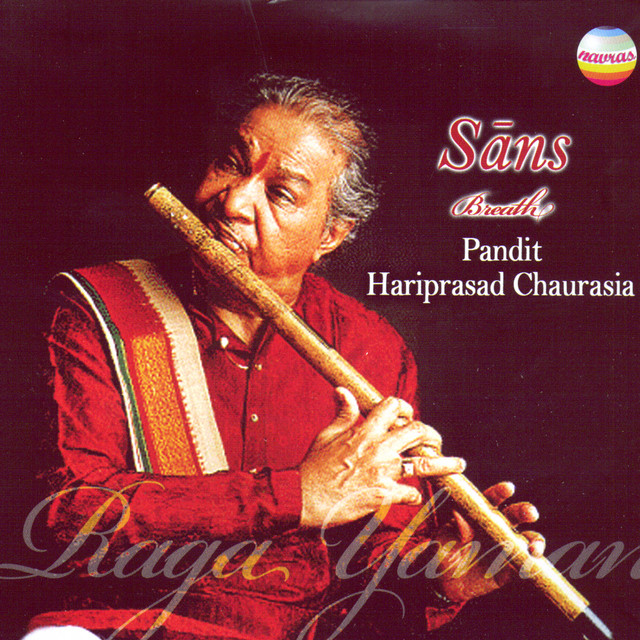
For Focus and Concentration
These ragas tend to have a clear, introspective, or gently uplifting quality that can help stabilize the mind without causing distraction.
- Raga Todi: A morning raga that encourages introspection and sensitivity. The table suggests its use during journaling or therapy sessions, activities that require a focused and calm mind. Its mood is serious yet poignant.
- Raga Kafi: This raga is often performed in the late afternoon or evening. While it has a romantic and expressive quality, it is also widely used as a background for study and focus, as exemplified by the video resource below. Its balanced and pleasant nature can create a conducive environment for concentration.
To get a feel for a focus-oriented raga, you can put on the following recording in the background. You don't need to analyze it, just experience how it functions as an ambient soundscape.
(1 hour) Vedic Traditional Music for Study, Focus and Meditation - Kafi Raga
This video from Bhaktivedanta Academy Mayapur presents a one-hour performance of Raga Kafi explicitly intended for study and focus.
Let this play while you continue the lesson or afterwards. Notice how the music remains engaging without demanding your full attention, a key quality for a focus playlist. You can start anywhere in the full performance.
For Sleep
These ragas are characterized by their deep, tranquil, and meditative qualities, ideal for preparing the mind for rest.
- Raga Malkauns: A majestic, late-night raga. The "Raag Therapy" article notes its association with grounding and deep healing. The "Time Theory" article goes further, stating it promotes theta and delta brainwaves, which are directly linked to deep relaxation and sleep. This makes it a prime candidate for a sleep playlist.
- Raga Bageshree: Another beautiful late-night raga described as deep and tranquil. The "Time Theory" article specifically notes its use in treating insomnia, making it another excellent choice for promoting sleep.
As a final listening experience, the title of the next video explicitly combines the time of day ("Savera" - morning) with the intended effect (calm, deep focus). This is a perfect example of the Time Theory in modern practice.
Savera Shanti 🌅 | Calm Raga Instrumental for Deep Focus & Problem Solving
This instrumental from Raga Heal is designed for deep focus.
Listen to a few minutes of the main performance to hear how a morning raga is crafted to create a calm yet alert mental state suitable for problem-solving.
Conclusion
Today we've unlocked a powerful, centuries-old system for organizing music according to its emotional and psychological effects. By understanding the Time Theory of Ragas, you've moved beyond general principles of music and can now identify specific melodic frameworks designed to induce particular states of mind.
Key Takeaways:
- The Time Theory (Samay Siddhant) is a core principle of Indian classical music that associates ragas with specific times of day to maximize their emotional impact.
- This system aligns with the body's natural circadian rhythms, providing a scientific basis for its effectiveness.
- For Calm/Relaxation: Evening and late-night ragas like Yaman and Darbari Kanada are excellent choices.
- For Focus: Introspective morning ragas like Todi or balanced evening ragas like Kafi can create a stable mental environment.
- For Sleep: Deep, meditative late-night ragas like Malkauns and Bageshree are traditionally used to promote profound rest and can even help with insomnia.
In our next lesson, we will put this knowledge into practice. Having identified the names of these powerful ragas, our task will be to find and evaluate specific recordings of them, taking the next step towards curating your personal focus, relaxation, and sleep playlists.