Welcome to your first lesson! We're starting your journey to find a high-quality DM setting role by first learning how to spot a great coaching offer. In this lesson, we will focus on analyzing the market to identify the key characteristics of high-value fitness and mindset coaching programs.
Understanding what makes an offer valuable from both a client's and a setter's perspective is the most critical first step. It ensures you're aiming your efforts at coaches who have a solid business, which translates into better opportunities and higher earning potential for you. By the end of this lesson, you'll have a clear framework for distinguishing a premium coaching offer from a less promising one.
From Time-for-Money to Transformational Value
In your experience as a DM setter, you've likely seen different ways coaches structure their services. Some charge by the hour, while others sell packages or longer-term programs. High-value offers almost always fall into the latter category. They are not selling time; they are selling a transformation.
This shift is the core principle behind what's known as "high-ticket coaching."
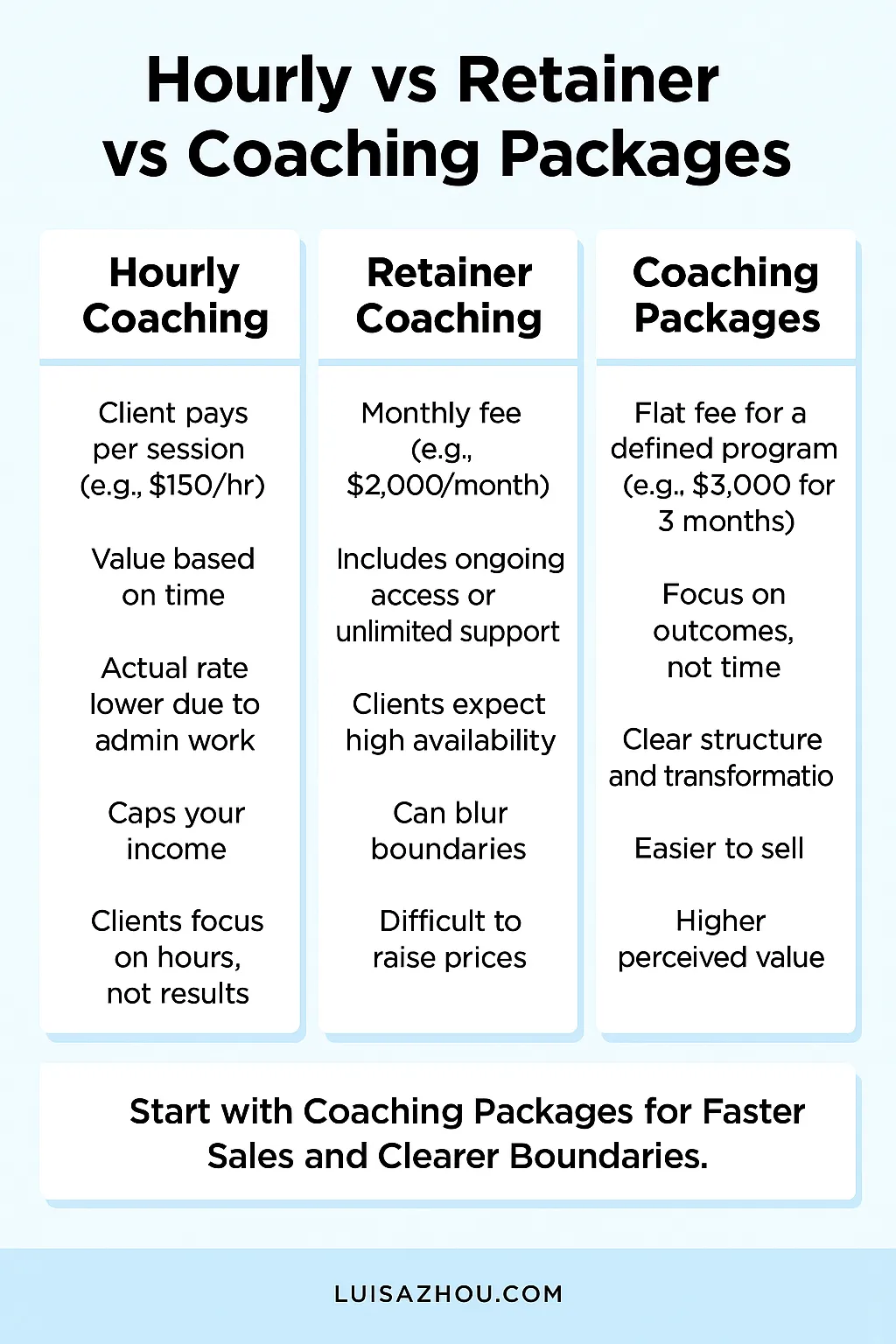
To build a solid foundation, let's explore exactly what defines a high-ticket offer and why it's the model you should target.
High Ticket Coaching: #1 Transformative Guide
This article from Inner Glow Circle provides an excellent introduction to high-ticket coaching. It clearly defines the model and contrasts it with traditional coaching.
Please read the first two sections. Start with the introduction, which defines the concept and lists its key characteristics. Then, continue to the next section, "What Is High-Ticket Coaching and How Is It Different?", paying close attention to the comparison table. This table gives you a clear, side-by-side view of the differences in price, client volume, and service depth.
The Anatomy of a High-Value Offer
Now that you have a general understanding of high-ticket coaching, let's break down the specific components you should look for when analyzing a coach's offer in the fitness and mindset niches. A strong offer is more than just a high price tag; it's a well-designed system for delivering results.
Here are the key characteristics to look for:
- A Results-Oriented Framework: The offer is built around a specific outcome, not just access to the coach. For example, a fitness coach might offer a "90-Day Body Transformation" program rather than just "10 personal training sessions."
- Comprehensive Support: The program goes beyond the core service. A fitness coach might include personalized nutrition plans, mindset coaching, and habit tracking. A mindset coach might offer workbooks, audio resources, and a private community.
- Customization and Access: Clients receive personalized attention and have direct lines of communication with the coach, often through text or voice notes (e.g., via WhatsApp or Voxer). This creates a premium, high-touch experience.
- A Signature Methodology: The coach has a unique, step-by-step process that is their intellectual property. This shows they are an expert with a proven system, not just an enthusiast.
The following resource, aimed at fitness professionals, provides concrete examples of how these elements are packaged into compelling high-ticket offers.
How to Offer High-Ticket Coaching Programs: A Step-by-Step Guide ...
This guide from TrueCoach offers a practical look at building high-ticket programs specifically for the fitness industry.
Focus on sections 1 and 4. In section 1, "Understanding High-Ticket Coaching," note the example offers and the list of what makes them high-ticket. Then, jump down to section 4, "Designing Your High-Ticket Offer." This part details the specific components included in a package and shows a tiered pricing example.
Why This Matters for You, the Setter
Identifying these high-value offers is your first and most important filter. When you work with a coach who has a strong, high-ticket program, you benefit directly:
- Higher Earning Potential: High-ticket programs command prices from $2,000 to $10,000+. Your commission (typically 5-10%) on a single sale is therefore substantial.
- Higher Quality Leads: The marketing for these programs attracts serious, committed individuals who are pre-sold on making a significant investment in themselves. They are easier to qualify and more likely to show up for sales calls.
- A Clearer Sales Process: Coaches with strong offers have a proven system. This means your role is clearly defined, the lead flow is more predictable, and the sales team is more likely to close the deals you book.
This short video clip explains the basic criteria for finding a good offer from an appointment setter's point of view.
I Tried Appointment Setting For 7 Days (Realistic Results)
In this clip from his video "I Tried Appointment Setting For 7 Days," Marcel Stam outlines the simple but effective criteria he uses to evaluate potential companies to work for.
Watch the section from his three criteria. Notice how he emphasizes an established presence, good testimonials, and proof of concept—all things we've just discussed.
How to Spot Red Flags and Avoid Bad Offers
Just as important as knowing what to look for is knowing what to avoid. The online coaching space is unregulated, and some individuals create the illusion of a high-value offer without the substance to back it up.
Here are some critical red flags to watch for:
- Vague Promises & Lack of Detail: If a coach's website or social media is full of hype but you can't figure out what their program actually includes, how long it lasts, or what the specific deliverables are, be cautious.
- Lifestyle Marketing > Client Results: The coach's content is all about their fancy cars, lavish vacations, and expensive watches, with very few specific, verifiable client testimonials or case studies.
- Inflated Social Media Metrics: A coach has 100,000 followers but only gets 15 likes and two comments per post. This often indicates they have bought fake followers, meaning there is no real audience or lead flow for you to work with.
- Pressure-Based Sales Tactics: Their marketing relies heavily on false urgency ("only 2 spots left!"... for the tenth time this month) or emotional manipulation.
The two video clips below offer practical advice from an experienced setter on how to vet offers and what questions to ask.
5 Mistakes Appointment Setters MUST AVOID
Luke Alexander's video, "5 Mistakes Appointment Setters MUST AVOID," contains several gems for vetting potential clients.
First, watch his tip on how to vet clients, where he discusses checking for fake followers. Next, pay attention to the key questions he recommends asking during an interview about existing setters and lead flow. Finally, listen to his bonus tip about the importance of working for a client with a product that genuinely helps people. This makes your job easier and more fulfilling.
A final red flag is the compensation structure. While commission-only is standard, the most stable and reliable offers often include a small base payment per qualified appointment you set. This shows the coach is confident in their sales process and values your time and effort, regardless of the sales team's closing rate on any given day.
Your First Task: Become an Analyst
Your assignment for this lesson is not to reach out to anyone, but simply to observe and analyze.
- Find your targets: Go on Instagram and find three fitness coaches and three mindset coaches who appear to be selling high-ticket offers.
- Analyze their profiles: Using the characteristics and red flags we've discussed, evaluate their offers.
- Take notes: In a simple document or spreadsheet, note your findings for each coach. Answer the following questions:
- What is the core transformation they are selling? Is it clear?
- Can you find evidence of a signature program or package?
- Do they showcase specific client results and testimonials?
- How does their engagement (likes, comments) look relative to their follower count?
- What is the overall impression: credible expert or lifestyle hype?
This exercise will sharpen your analytical skills and build your confidence in identifying the opportunities that are truly worth your time.
Conclusion
In this lesson, you've learned to look beyond the surface and analyze the fundamental characteristics of high-value coaching offers. You now have a framework for identifying programs that are built on substance, deliver real transformation, and therefore represent the best opportunities for a skilled DM setter like yourself.
Key Takeaways:
- High-value offers are structured as transformational packages, not hourly services.
- Look for offers with a clear methodology, comprehensive support, and proven client results.
- From a setter's perspective, a strong offer means higher earning potential, better leads, and a smoother sales process.
- Be vigilant for red flags like vague promises, lifestyle-focused marketing, and fake social media engagement.
In our next lesson, we will shift the focus from the market to you. Now that you know what a great offer looks like, we'll work on articulating your unique value proposition to make you the irresistible choice for these top-tier coaches.