Introduction
In our last lesson, you created a powerful template for a LinkedIn post designed to turn your case study into an inbound lead-generation machine. The goal was to spark a conversation with a founder or product manager. Now, let's assume it worked. You have a potential client in your DMs, and you've scheduled a 15-minute introductory call. This is the moment of truth.
This lesson is about what you say on that call. You won't have time to walk them through your entire Figma case study. You need a concise, powerful, and persuasive verbal summary that proves your value in under two minutes. Today, you will prepare a 2-minute verbal summary of your case study to use in future sales calls. This script is a critical sales asset that bridges the gap between initial interest and a paid engagement.
1. From Case Study to "Elevator Pitch"
The purpose of a verbal summary isn't to recount every detail of your project. It's to tell a compelling story of transformation that makes the potential client think, "I have that problem, and this person knows how to solve it." The story needs to be framed around business impact, not design jargon.
A classic pitch structure follows a simple formula.
The Perfect Elevator Pitch - Best Examples and Templates
Let's start with a foundational structure for any pitch. This video from Patrick Dang breaks down the simple but effective 'Problem -> Solution -> Value' formula, which is the core of any good story.
Watch from 00:49 to 06:32. Pay close attention to how he constructs a narrative. You start by creating engagement with a relatable problem, introduce your service as the solution, and close by demonstrating the impactful value or outcome.
This "Problem-Solution-Value" model is the backbone. However, when speaking to founders and decision-makers, we can make it even more potent by leading with the one thing they care about most: money.
2. The High-Impact Pitch Framework for Founders
Founders and product managers are conditioned to think in terms of market opportunity, risk, and ROI. A pitch that aligns with this mindset will be far more effective than one that focuses purely on user empathy. We will use a framework designed specifically for this audience.
How to Craft a Compelling Elevator Pitch for Your Portfolio
This LinkedIn post by Leon Eisen presents an advanced framework for pitching that is perfectly suited for our purpose. It reframes the pitch to lead with business context and triggers the emotional and logical checkpoints of a decision-maker.
Read the main post content. We are going to adapt Eisen's six-part structure for your UX audit pitch: Capital Gravity Hook: Associating your story with a significant financial context. Present Tension: The specific pain point the client was experiencing. Transformation Vision: The 'after' state you created. Proof Snapshots: Quick, hard numbers to build credibility. Story Spine: The condensed, repeatable narrative. Specific Next Step: The call to action that moves the sale forward.
Let's break down how to build your 2-minute script using this structure. The key is to frame your case study as a story where the client is the hero, and you are the expert guide who helped them succeed.
3. Scripting Your 2-Minute Case Study Summary
We'll use the hypothetical B2B SaaS case study from our previous lessons (the one struggling with a 40% user drop-off in onboarding) to build a template.
1. The Hook (Capital Gravity)
Don't say: "I did a UX audit for a SaaS company."
Say: "I specialize in helping B2B SaaS companies recover revenue they're losing from user churn. For one client in the project management space, this was a six-figure problem."
- Why it works: You immediately anchor your work to a significant financial problem (revenue loss, high CAC, churn) that founders understand.
2. The Tension (The "Before" State)
Describe the problem with emotion.
"They had a powerful product but were losing nearly 40% of their new signups within the first week. Users were frustrated by a confusing onboarding flow and were churning before ever experiencing the product's 'aha!' moment."
- Why it works: You're describing a painful, relatable business problem. The potential client on the phone is likely nodding along.
3. The Transformation (The "After" State)
Describe the solution and its effect on the user experience.
"We ran a targeted UX audit and pinpointed the three biggest friction points. We then redesigned the onboarding into a single, guided experience that showed value in the first 60 seconds. It transformed the user's first impression from 'confusing and overwhelming' to 'clear and capable'."
- Why it works: You present a clear, decisive action (the audit) that leads to a visceral transformation for the user.
4. The Proof (The Results)
Hit them with fast, hard numbers. Use metrics that matter to the business.
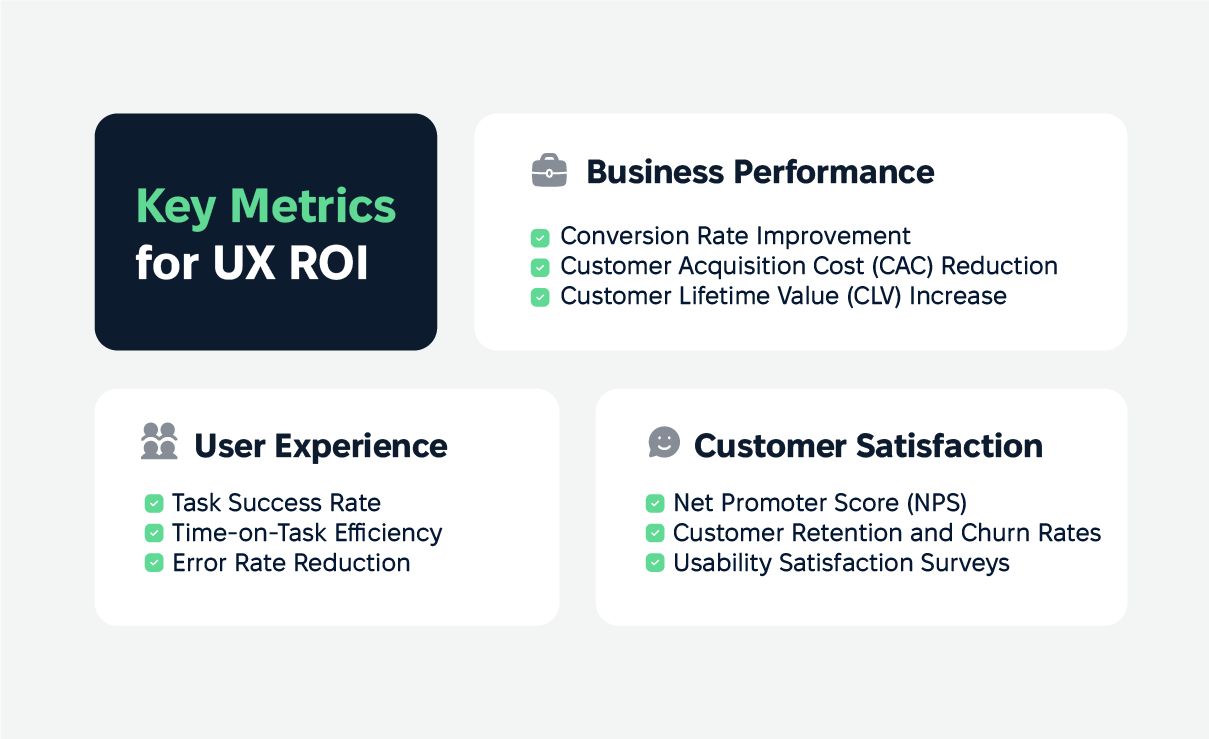
"The new design is projected to cut the first-week drop-off rate from 40% to under 15%, directly improving their user activation metrics and Customer Lifetime Value."
- Why it works: You are providing concrete, quantifiable proof of your impact, directly referencing the "Key Metrics for UX ROI" that founders care about.
5. The "Ask" (The Specific Next Step)
The entire point of the summary is to lead to this question. You must pivot from your past success to their current problem.
UX Audit Tool: Evaluate Websites & Landing Pages
The article 'Using UX Audits to Acquire Clients' by Lee Darius provides excellent scripts for this transition. The goal is to make the next step feel like a natural continuation of the conversation, not a hard sell.
Focus on the section titled 'The Conversation Script (Natural, Not Salesy)'. Note how it guides the conversation from opportunity to a direct offer.
Here is how you apply that logic:
"If any of those challenges—like high drop-off or low user activation—sound familiar, the first step is usually a targeted audit, similar to the one I just described. Is that something you'd be open to discussing?"
- Why it works: It's a confident, low-pressure question that invites a "yes" and seamlessly transitions the conversation to a discussion about a paid project.
Your Deliverable: The Verbal Pitch Script
Your task is to create a reusable script template in Figma. This will be your go-to asset to prepare for any sales call.
Task (25 minutes):
- Open Your Figma Project: Go to the Figma file where you created your case study and LinkedIn post templates.
- Create a New Page: Name it
Sales Assets. - Create a Text Frame: In a large text frame, build your script. Use the five components above as your headings.
- Write Your Script: Write out the full 2-minute verbal summary for the hypothetical B2B SaaS onboarding project. Structure it clearly so you could practically read it off the screen during a call.
- Hook: Frame the problem around churn and lost revenue.
- Tension: Describe the 40% drop-off and user frustration.
- Transformation: Explain how your audit led to a clear, guided experience.
- Proof: State the projected improvement in activation and churn.
- Ask: Write the transition question to move towards a paid audit.
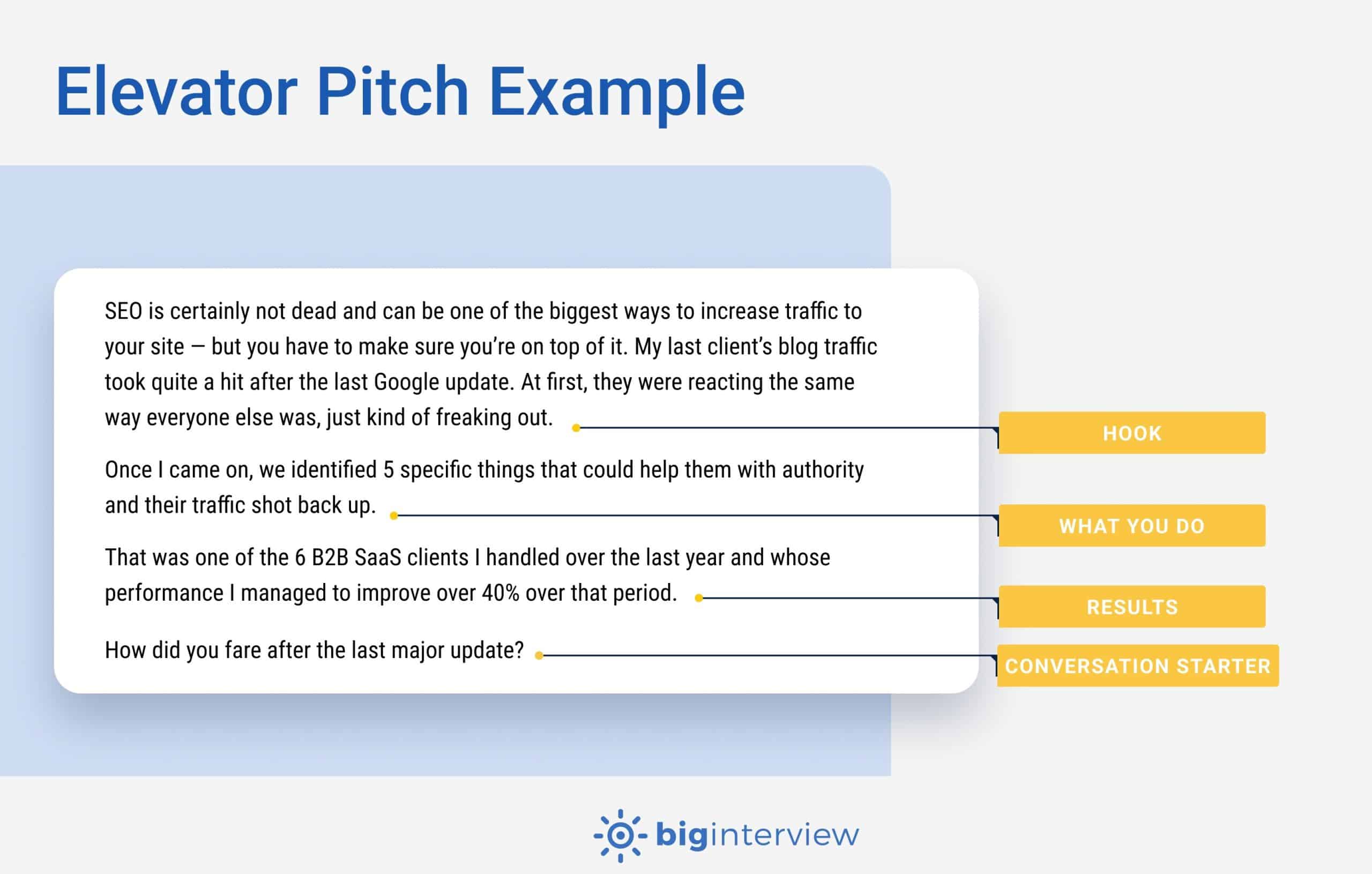
Here is an example structure you can use as a guide for your text block:
Conclusion
You now have a complete sales narrative. You started with a case study (the evidence), created a LinkedIn post to get attention (the hook), and now you have a 2-minute verbal script to use on a call (the pitch). This sequence is a repeatable engine for client acquisition.
Key Takeaways:
- Story Sells: Your verbal summary must be a compelling story of transformation, not a list of features.
- Speak a Founder's Language: Frame everything in the context of business problems and financial impact (revenue, churn, retention).
- Follow the Framework: Use the Hook -> Tension -> Transformation -> Proof -> Ask structure to build a persuasive narrative.
- Always End with the Ask: The pitch is not complete until you have confidently asked for the next step.
Preview of the Next Lesson:
A successful pitch will win you the audit project. But a single audit is just the beginning. The real goal is to turn a one-off project into a long-term, high-value client relationship. In our next lesson, we will cover advanced tactics for exactly that, focusing on how to transition from an audit to a recurring revenue retainer.