Welcome back. In our last lesson, we established the powerful connection between resistance training and brain health. We saw that a single workout can acutely enhance focus through a state of heightened arousal, while consistent training chronically builds a more resilient brain by stimulating crucial molecules like BDNF.
Today, we move from the what to the how and when. Our goal is to explain how exercise intensity and timing affect subsequent cognitive performance. You already have a robust powerlifting routine; this lesson will provide you with the scientific principles to schedule and modulate your training for the greatest possible cognitive return. We will unpack the dose-response relationship between physical effort and mental sharpness, examining the evidence with the analytical rigor you appreciate as a statistician.
The Arousal Principle: Setting the Stage for Learning
As we touched on previously, the immediate cognitive benefits of exercise are largely driven by an increase in autonomic arousal. This is the state of alertness triggered by the sympathetic nervous system, involving a surge of catecholamines like norepinephrine and epinephrine. This neurochemical state doesn't just make you feel energized; it actively prepares your brain's circuits for learning and memory formation.
A key insight from the research is that this mechanism is not exclusive to one type of exercise. Both very short, intense efforts and longer, steadier sessions can effectively create this beneficial state of arousal.
How Exercise Affects the Brain and Learning | Dr. Andrew Huberman
This clip from Dr. Andrew Huberman provides a concise comparison of how different exercise protocols achieve a similar cognitive outcome.
Please watch from the beginning until the start of the clip. Dr. Huberman describes how both six-second all-out sprints and 30 minutes of steady-state cardio acutely improve performance on cognitive tasks. This demonstrates that the brain-boosting effect can be achieved through different "doses" of exercise.
The common denominator is arousal. It accounts for an estimated 60-70% of the acute cognitive enhancement from exercise. Now, let's explore the two most important variables that modulate this effect: timing and intensity.
Timing Your Workout for Peak Cognition
If exercise-induced arousal creates a window of opportunity for learning, the natural question is: when should you schedule that window? The good news is that the research points to a high degree of flexibility.
How Exercise Affects the Brain and Learning | Dr. Andrew Huberman
Let's return to the Huberman clip to understand the practical implications of timing.
Watch the segment from the main discussion on timing. The key takeaway is that studies show cognitive benefits whether the exercise is performed before, during, or after the learning bout. This allows you to schedule your workouts based on your life's constraints, rather than a rigid formula.
While this flexibility is empowering, there are important nuances. The effect of exercise isn't identical in all conditions. Performing a cognitive task during a very intense workout introduces a "dual-task" problem, where the brain must split its resources between physical exertion and mental processing. To understand this better, let's look at a systematic review that analyzed the data from dozens of studies.
The effects of acute high-intensity aerobic exercise on cognitive ...
This review from Frontiers in Behavioral Neuroscience provides a rigorous analysis of how high-intensity aerobic exercise affects cognition, with a special focus on timing.
First, read the Introduction (the introduction) to familiarize yourself with two key theories: the inverted-U theory (cognition improves with arousal up to an optimal point, then declines) and the hypofrontality hypothesis (during intense exercise, the brain diverts resources from the prefrontal cortex to motor areas, impairing higher-order cognition). Next, read the section on "Timing of cognitive task" (this key section). Focus on the distinction between cognitive tasks performed during versus after exercise. Note the finding that impairments are more likely during the dual-task situation of exercising, but that after a short recovery period, the effects become beneficial.
The crucial finding here is that while cognition can be impaired during maximal-effort exercise, this effect dissipates quickly. The review notes that in studies where cognitive tasks were performed more than six minutes after exercise, no impairments were reported. This suggests a "sweet spot": a short delay after your workout allows the initial physiological stress to subside while capitalizing on the lingering state of heightened arousal.
The Intensity Dial: A Clear Dose-Response Relationship
If a short delay is optimal, how hard should the preceding workout be? Here, the evidence points towards a clear dose-response relationship: greater intensity often yields a greater cognitive benefit.
The bar chart below, from a study on exercise and memory consolidation, provides a striking visual of this principle.

This chart clearly shows that to maximize the cognitive benefit after a workout, a higher intensity is more effective. The negative effect seen with "Very Light" exercise performed immediately before a task is likely due to a brief "task-switching" cost without sufficient arousal to overcome it.
To make these intensity levels more concrete, you can use standard guidelines that link perceived exertion to physiological markers.
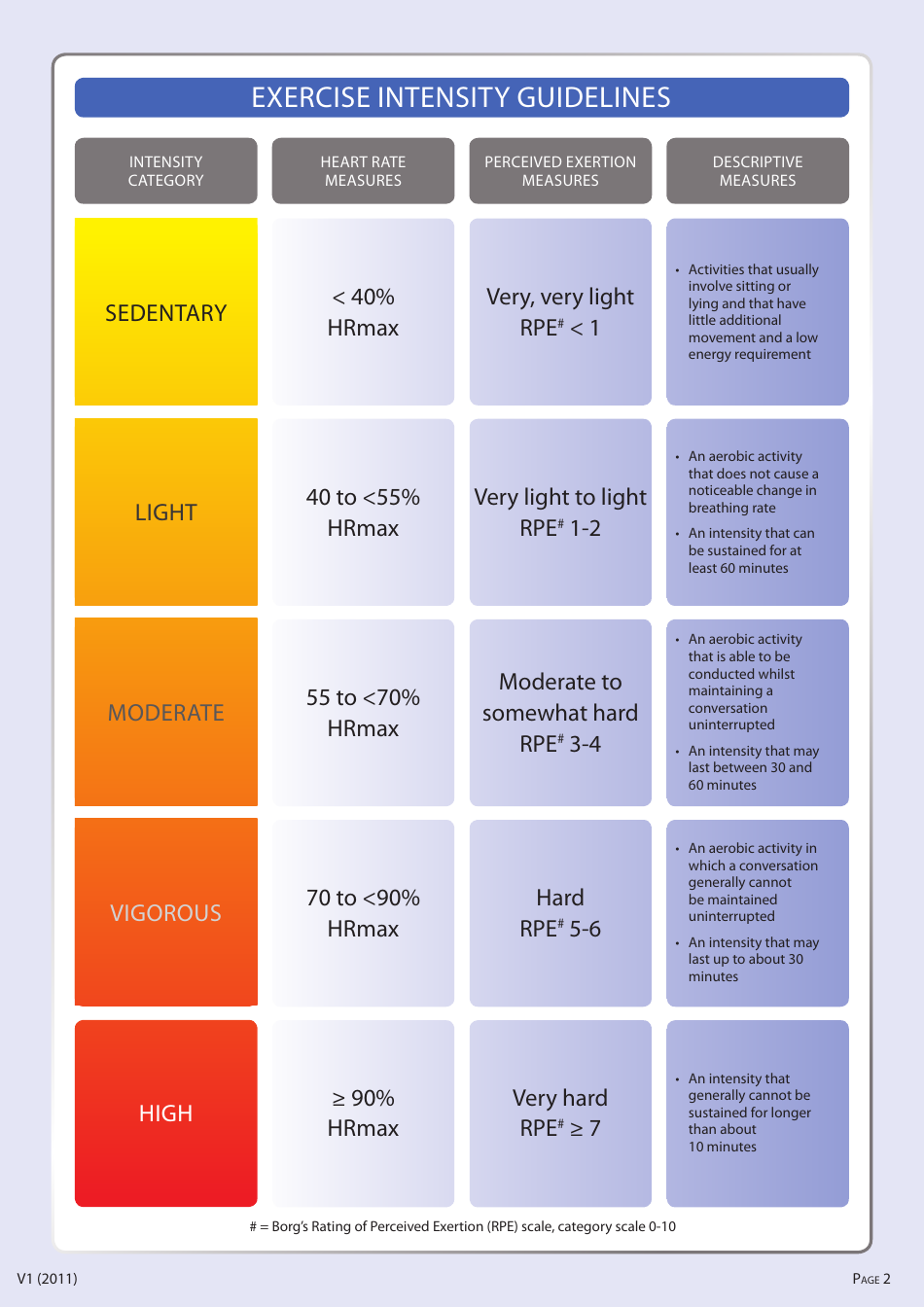
The reason higher intensity is more potent lies in the neurochemical response. A more intense workout triggers a larger release of catecholamines (norepinephrine, dopamine) and neurotrophic factors (like BDNF), creating a more robust state of plasticity. However, there is an upper limit. As Dr. Huberman notes, performing multiple, extremely taxing high-intensity sessions in one day can lead to diminished cognitive performance, possibly due to a reduction in cerebral blood flow. Your current schedule of a single daily powerlifting session avoids this pitfall.
Resistance Training: A Meta-Analytic View
So far, the evidence has mixed aerobic and resistance exercise. Let's now focus specifically on the effects of resistance training, which is most relevant to your routine. For this, we can turn to a meta-analysis—a study of studies—which will appeal to your statistical background.
[PDF] Acute Effects of Resistance Exercise on Cognitive Function in ...
This 2019 meta-analysis by Wilke et al. specifically isolates the acute effects of a single resistance exercise (RE) session on cognition.
First, read the Abstract and the Key Points (at the beginning) to get the top-line findings. Next, examine the Results of the moderator analysis table (Table 4) and the accompanying text in section 3.4 (the moderator analysis). This is the core of the analysis. Pay attention to how the effect size changes based on moderators like intensity and duration.
This meta-analysis provides several key insights for your training:
- Overall Effect: A single bout of resistance exercise produces a moderate, positive effect on global cognition (Standardized Mean Difference, SMD = 0.56) compared to no exercise. The largest benefits were seen in inhibitory control and cognitive flexibility—core components of executive function.
- Intensity: The analysis found significant effects for both low and high intensity RE (but not moderate). The authors wisely caution against over-interpreting this U-shaped finding due to inconsistencies in how studies defined intensity and large confidence intervals. However, it confirms that high-intensity lifting, like your powerlifting, is an effective stimulus.
- Duration: The analysis found that longer training sessions (>30 minutes) were associated with a significant cognitive benefit, while shorter sessions (≤30 minutes) were not. This suggests that your typical hour-long powerlifting sessions are well-positioned to elicit these cognitive gains.
Conclusion
In this lesson, we have moved from the general principle that exercise is good for the brain to the specific parameters that govern its acute effects. By understanding how intensity and timing interact, you can be more strategic about how you leverage your workouts for mental performance.
Key Takeaways:
- Arousal is the Primary Driver: The acute cognitive boost from exercise comes from a state of heightened alertness driven by catecholamines like norepinephrine.
- Timing is Flexible, with a Key Nuance: While exercise is beneficial before, during, or after learning, performance on a cognitive task can be impaired during a very high-intensity bout. A short recovery period of 5-10 minutes post-exercise appears optimal for leveraging the arousal state without dual-task interference.
- Intensity Shows a Dose-Response: For cognitive enhancement after a workout, higher intensity generally produces a larger positive effect, likely due to a greater neurochemical release.
- Resistance Training is Highly Effective: Meta-analytic evidence confirms that single sessions of resistance exercise, particularly those lasting over 30 minutes, significantly improve executive functions.
In our next lesson, we will put these principles into practice. We will evaluate your current powerlifting and walking routine through the lens of this evidence, identifying what is already optimized and where there might be opportunities for small adjustments to further enhance its cognitive benefits.